A visual A–Z
Tattoo Symbols and Meanings
This A–Z of tattoo symbols and meanings covers 50 common designs – animals, flowers, celestial and mythic motifs – and what each has traditionally meant across cultures. Use it as a starting point, then decide what your symbol means to you.
Tattoo symbols and meanings, A–Z
A
- Anchor
- Stability, hope and staying grounded in rough water. A sailor’s classic in early flash, it was also used by early Christians as a sign of hope and a quiet stand-in for the cross.
- Angel
- Protection, guidance and faith, often chosen as a guardian figure or in memory of someone who has died. A pair of wings alone carries the same idea in a smaller space.
- Arrow
- Direction and moving forward. Because an arrow has to be pulled back before it flies, many people wear one as a reminder that setbacks can launch you, and crossed arrows are often read as friendship.
B
- Bee
- Hard work, teamwork and community – the hive as family. Bees are also a nod to nature, and in Manchester, England, the worker bee has long been a civic emblem of the city’s industry.
- Butterfly
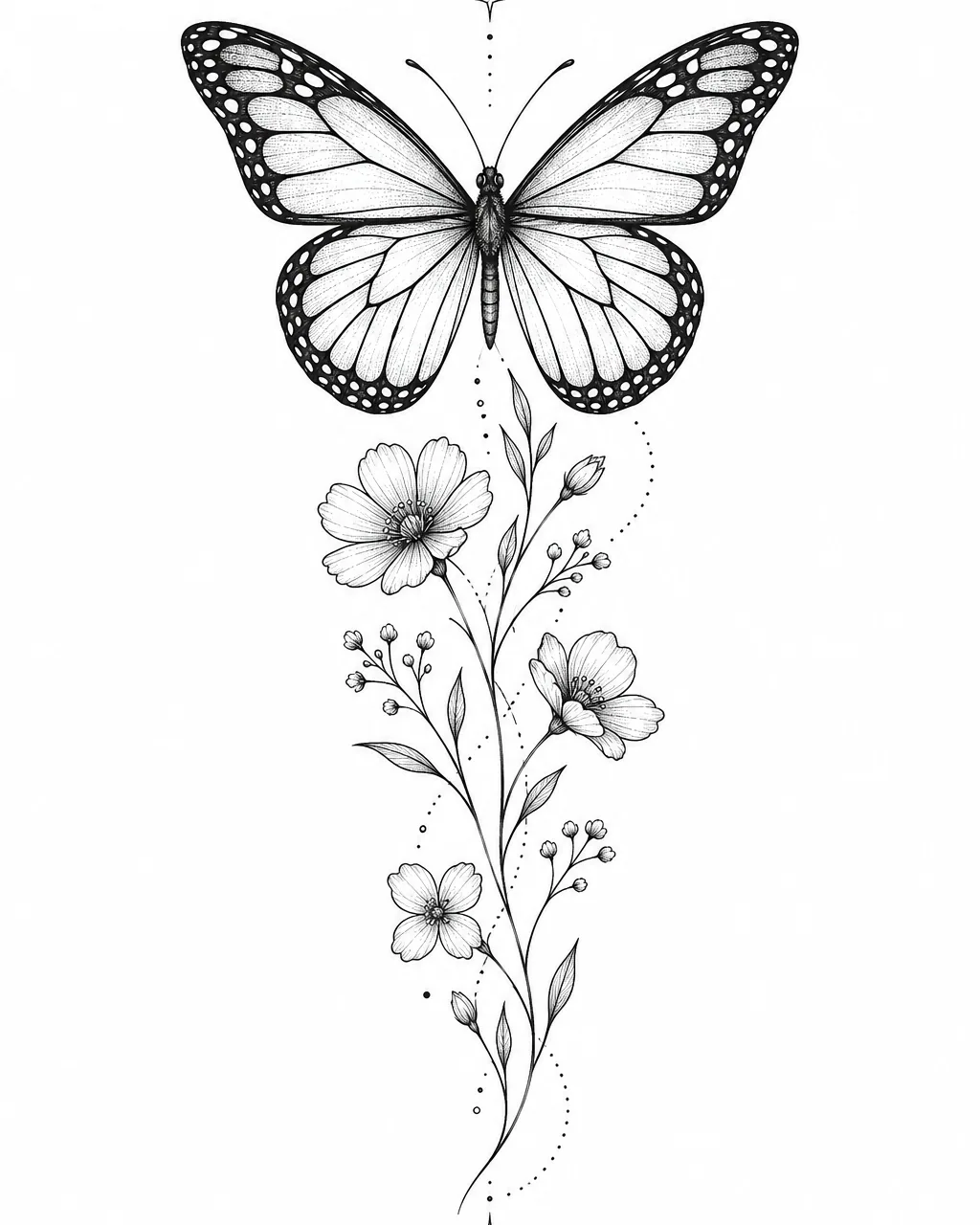
- Transformation, from caterpillar to wings. Many cultures link butterflies with the soul – in ancient Greek, psyche meant both soul and butterfly – which is why they often appear in memorial designs.
C
- Cherry blossom
- Beauty and the brevity of life. In Japan, sakura bloom for only a short time each spring, which makes them a reminder to treasure the moment.
- Compass
- Direction, travel and finding your way back. A compass or compass rose suits anyone who has moved far from home or is still working out their path.
- Cross
- The central symbol of Christianity, standing for faith, sacrifice and hope. Its many forms – Latin, Orthodox, Celtic and more – each come from their own tradition, so choose the one that matches yours.
- Crown
- Authority, achievement and self-respect – being in charge of your own life. In Christian art a crown can also mean victory and eternal life, while a crown of thorns recalls the suffering of Christ.
D
- Dagger
- Courage, protection and facing danger head-on. In traditional flash, a dagger through a rose or heart usually means love and pain side by side, or a betrayal survived.
- Dove
- Peace, gentleness and love. In Christian tradition the dove represents the Holy Spirit, and a dove carrying an olive branch recalls the end of the flood in the story of Noah.
- Dragon
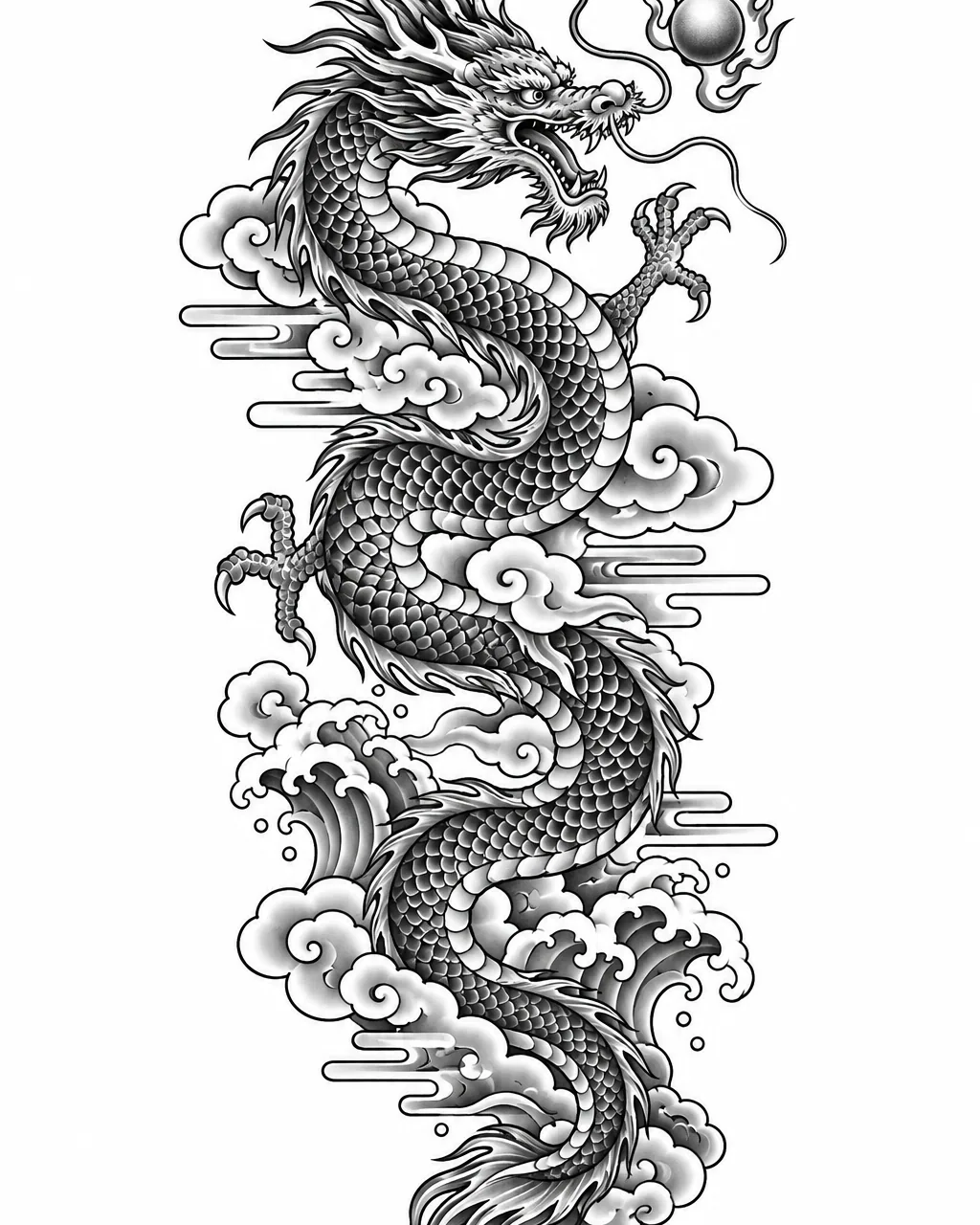
- In Chinese and Japanese tradition, the dragon is a wise, powerful bringer of rain and good fortune. In much of European folklore it is a fearsome beast to be overcome, so a dragon can mean wisdom and luck or strength and a battle won.
- Dragonfly
- Change, lightness and living in the moment – a dragonfly spends most of its life underwater before taking to the air. In Japan it was called the victory insect, a samurai emblem of courage because it was said never to fly backward.
E
- Eagle
- Freedom, strength and vision. The eagle is a national emblem of the United States and many other nations, and a sacred bird in many Indigenous cultures of North America, where eagle feathers are given as a high honor.
- Elephant
- Wisdom, memory, family and good luck – a raised trunk is a popular sign of good fortune. In Hindu tradition, the elephant-headed god Ganesha is the remover of obstacles, so treat his image with the care you would give any sacred figure.
- Eye
- Watchfulness, insight and protection. The Egyptian Eye of Horus stood for protection and healing, the Eye of Providence in a triangle for divine watchfulness, and the blue nazar charm of Turkey and Greece is said to ward off the evil eye.
F
- Feather
- Freedom, lightness and letting go. Many people take a found feather as a quiet sign from someone they’ve lost, and a feather breaking apart into birds is a popular way to show change.
- Fox
- Cleverness, adaptability and playfulness. In Japanese folklore the kitsune is a shape-shifting fox – sometimes a trickster, sometimes a messenger of the deity Inari – whose power grows with each new tail.
H
- Heart
- Love in every form – romantic, family, friendship and self-love. The flaming Sacred Heart is a Catholic devotion to the love of Christ, and the anatomical heart suits anyone who wants the same message with less sweetness.
- Hourglass
- Time passing and a reminder to use it well – a classic memento mori, Latin for “remember that you will die.” Add wings and it becomes “time flies.”
- Hummingbird
- Joy, energy and resilience in a tiny bird that can even fly backward. The Aztecs linked the hummingbird to Huitzilopochtli, god of the sun and war, and across the Americas it is often seen as a messenger or a sign of good luck.
I
- Infinity
- Endless love, friendship or possibility. The sideways figure eight comes from mathematics, where it stands for something without end, and it is often drawn with a name, a word or a heartbeat line woven through.
K
- Key
- Opportunity, freedom and unlocking something new. A lock and key split between two people is a long-standing way of saying one person holds the other’s heart.
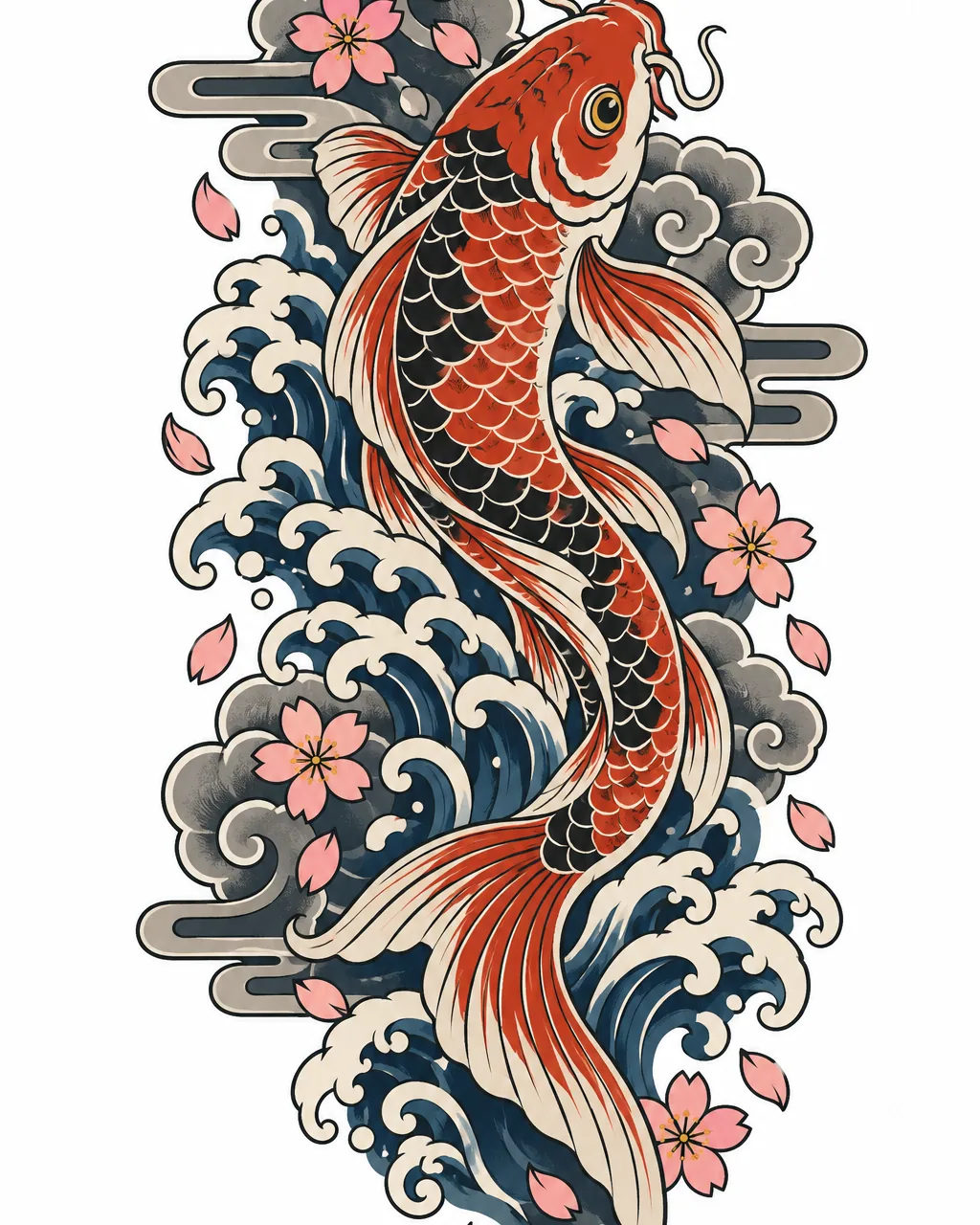
- Koi fish
- Perseverance and the reward for effort. In a Chinese legend, a carp that leaps the waterfall at the Dragon Gate becomes a dragon, and in tattoo lore a koi swimming upstream means a struggle still underway, while one swimming downstream means it has been overcome.
L
- Lighthouse
- Guidance, safety and hope through dark times – a steady light that helps others find their way. It is often chosen for a person who kept you steady.
- Lion
- Courage, strength and leadership. Lions are common in European heraldry, appear as the Lion of Judah in Jewish and Christian tradition, and stand guard in stone at temple and palace gates across China.
- Lotus
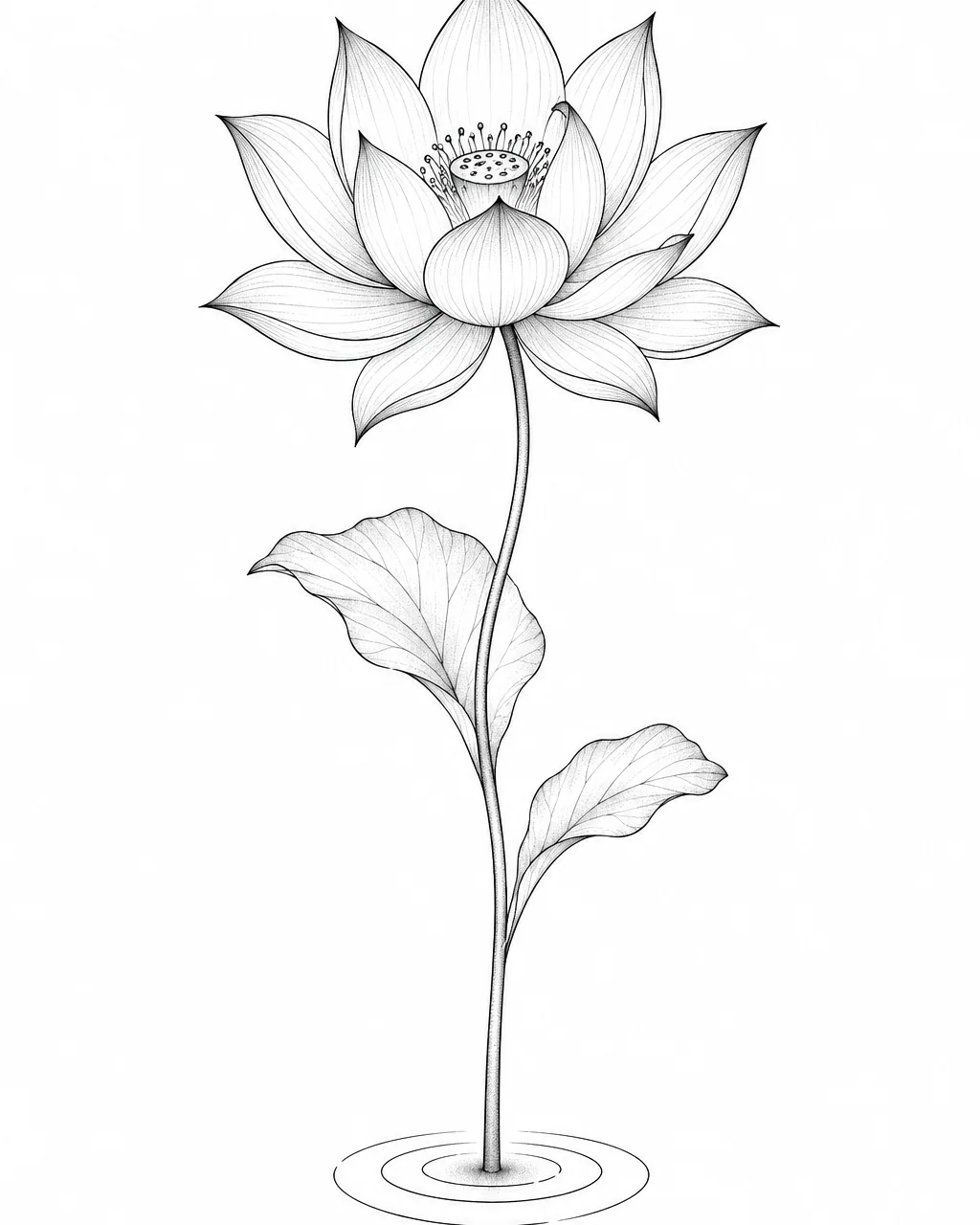
- Purity, rebirth and enlightenment, because the lotus rises from muddy water and blooms clean above it. It is central to Buddhist and Hindu art, and in ancient Egypt it was linked to the sun and rebirth.
M
- Mandala
- Wholeness, balance and the universe in a circle. In Hindu and Buddhist traditions mandalas are sacred diagrams used in meditation; in tattooing, the word also covers circular, symmetrical patterns built from repeating petals and lines.
- Moon
- Cycles, change and intuition. The moon is linked with the feminine in many traditions, though not all – in Japanese myth the moon god Tsukuyomi is male – and moon phases are a popular way to show growth over time.
- Mountain
- Strength, stability and obstacles overcome. A mountain outline is also a way to carry a place with you, whether it’s the range you grew up under or a summit you worked hard to reach.
O
- Octopus
- Intelligence, adaptability and creativity – an octopus can change color, squeeze through tiny gaps and solve puzzles. Its flowing arms also make it a natural fit for designs that wrap around a limb.
- Owl
- Wisdom and knowledge, thanks partly to the little owl of Athena, the Greek goddess of wisdom. In some cultures owls are omens or messengers between worlds, while in Japan the word fukurō can be read as “no hardship,” making the owl a good-luck charm.
P
- Phoenix
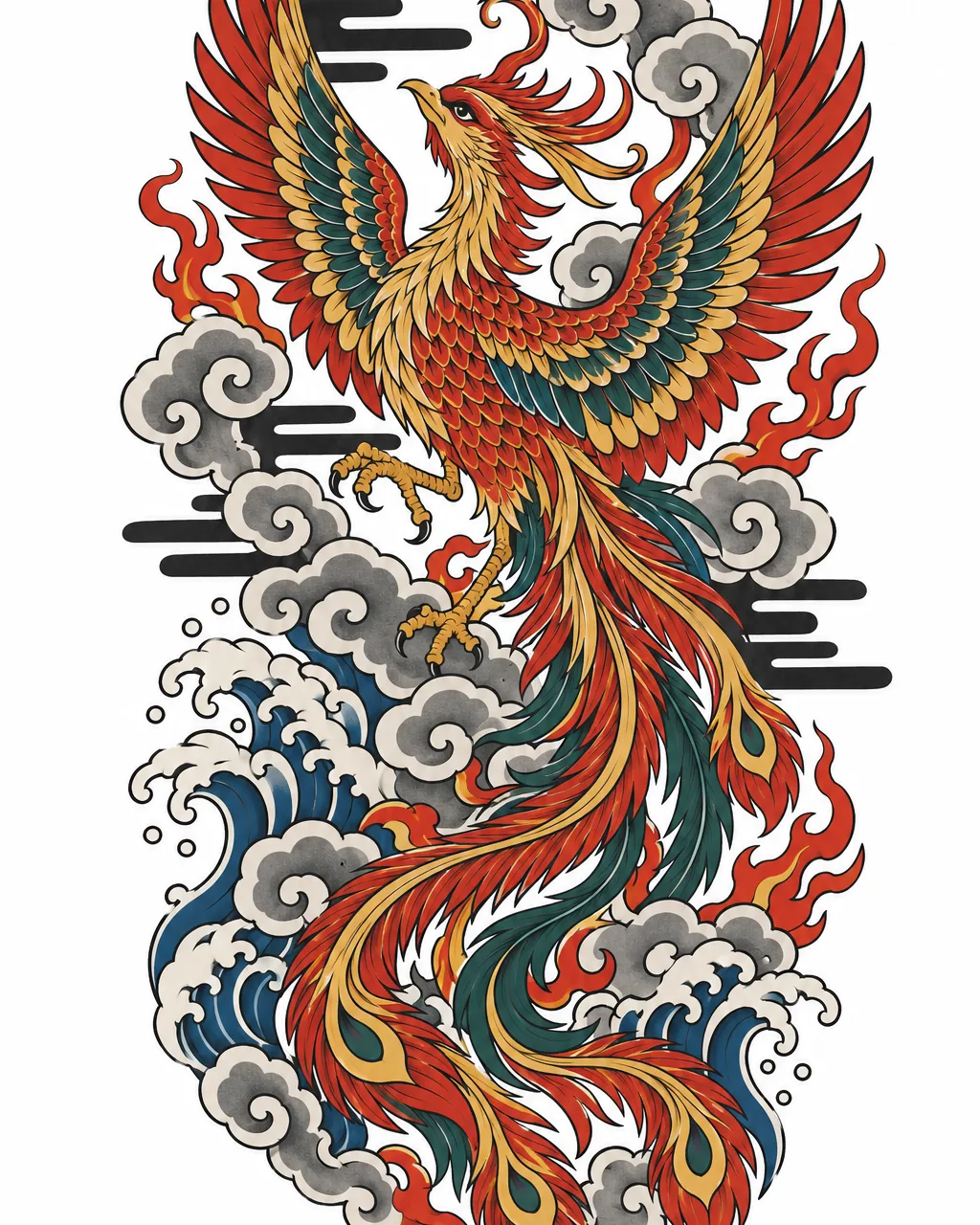
- Rebirth and rising again after hardship – the mythical bird bursts into flame and is reborn from its own ashes. The Chinese fenghuang, often translated as phoenix, is a different creature: a symbol of virtue, harmony and the empress, often paired with the dragon.
R
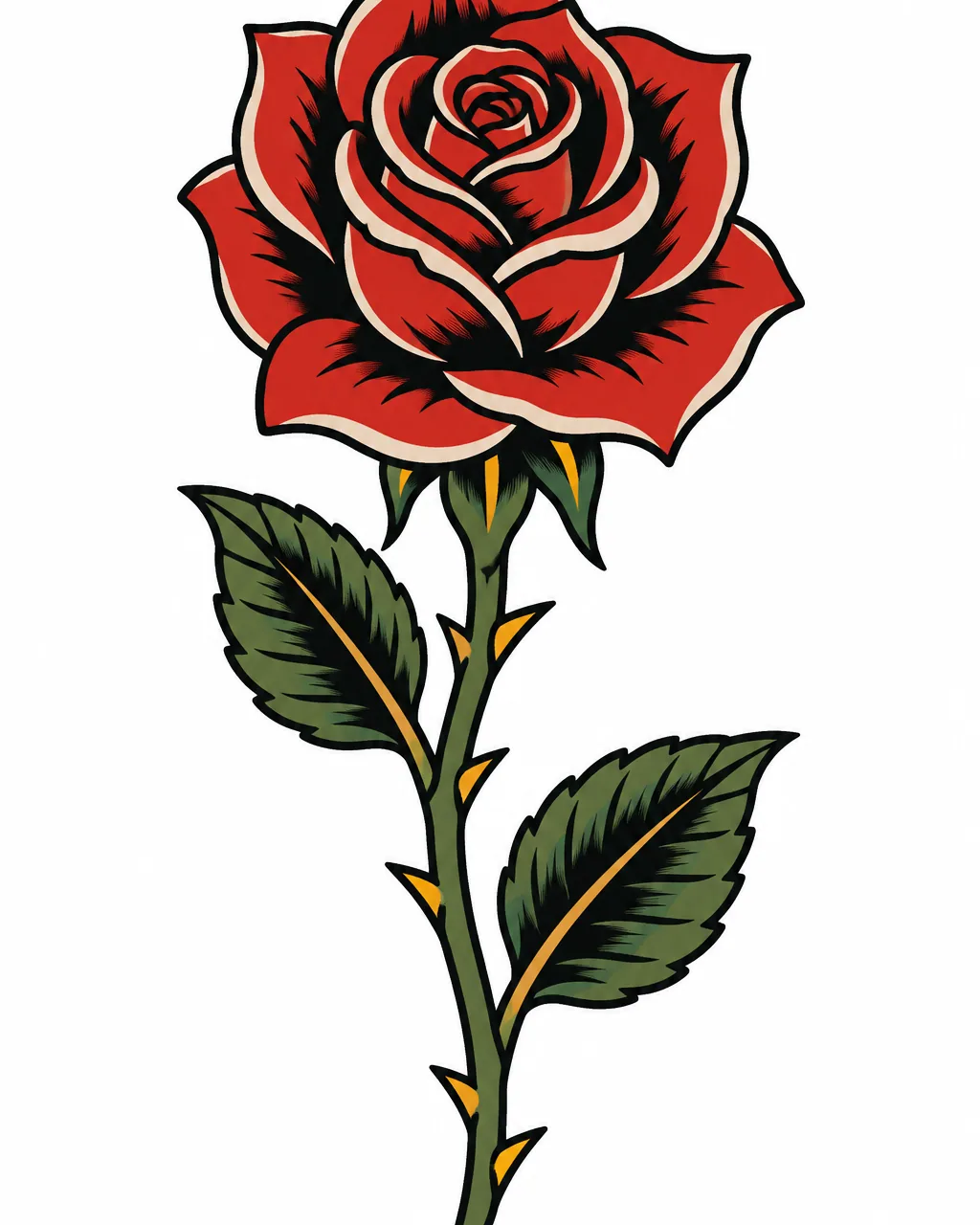
- Rose
- Love and beauty, with thorns as a reminder that both can hurt. Color changes the message – red for love, white for purity or remembrance, yellow for friendship – and the rose has been a staple of American traditional flash for more than a century.
S
- Semicolon
- Mental health awareness and suicide prevention. In writing, a semicolon marks a place where a sentence could have ended but continues, and the nonprofit Project Semicolon made it widely recognized as a tattoo.
- Skull
- Mortality and a reminder to live fully – the memento mori idea again. Mexican calaveras, or sugar skulls, honor loved ones during Día de Muertos, so a decorated skull is about remembrance and celebration rather than fear.
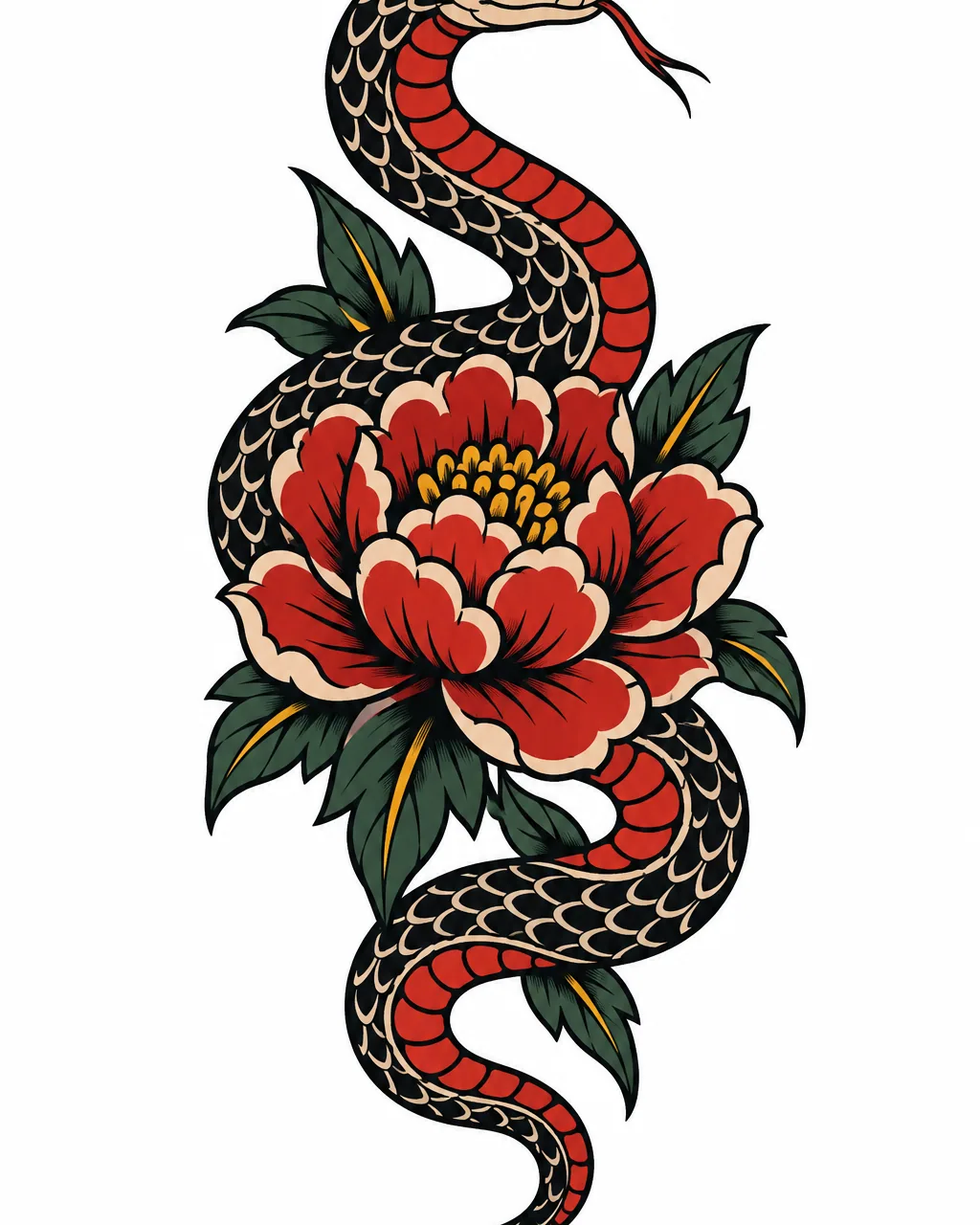
- Snake
- Rebirth and healing, because snakes shed their skin – a single snake around a staff is the rod of Asclepius, the symbol of medicine. Elsewhere the snake means temptation or danger, and one eating its own tail, the ouroboros, stands for endless cycles.
- Sparrow
- Freedom, simple joy and community – a small, sociable bird that thrives almost anywhere. In Christian tradition sparrows recall God’s care for even the smallest creature, and tattoo lore often mixes them up with swallows.
- Spider web
- Patience, creativity and the feeling of being caught – in a situation, or in time. Because a web, especially on the elbow, is also widely associated with time spent in prison, some people will read it that way.
- Star
- Guidance, hope and ambition. The five-pointed nautical star was a sailor’s charm for finding the way home and became a tattoo classic, while a shooting star stands for a wish or a fleeting moment.
- Sun
- Life, energy, warmth and new beginnings. Cultures around the world have honored the sun, from the Egyptian god Ra to Japan’s sun goddess Amaterasu, and it pairs naturally with the moon to show balance.
- Sunflower
- Loyalty, optimism and devotion – young sunflowers turn to follow the sun across the sky. Its bright, open face makes it a favorite for a tattoo that simply feels happy.
- Swallow
- Birds in general stand for freedom and travel, and the swallow is the sailor’s bird. Swallows return to the same nesting places year after year, so in sailor lore they promised a safe journey home.
T
- Tiger
- Power, courage and protection. In Chinese tradition the White Tiger guards the west as one of the Four Symbols, and in Japanese art the tiger is often paired with the dragon as its equal and opposite.
- Tree of life
- Growth, family and connection – roots below, branches above, which makes it a favorite family tattoo. Versions appear in many traditions, from the world tree Yggdrasil in Norse myth to Celtic knotwork and the tree of life in the Garden of Eden.
- Triangle
- Balance, strength and change. A triangle often stands for a trinity – past, present and future, or mind, body and spirit – and the Greek letter delta, drawn as a triangle, means change in math and science.
U
- Unalome
- A Buddhist symbol of the path to enlightenment: the spiral is life’s confusion, the line straightens as the mind clears, and the dots at the top mean awakening. It comes from Southeast Asian sacred art, so learn its meaning before you wear it.
W
- Wave
- The power and rhythm of the ocean, a love of the sea, or learning to go with the flow. In Japanese art, great curling waves stand for strength and the force of nature.
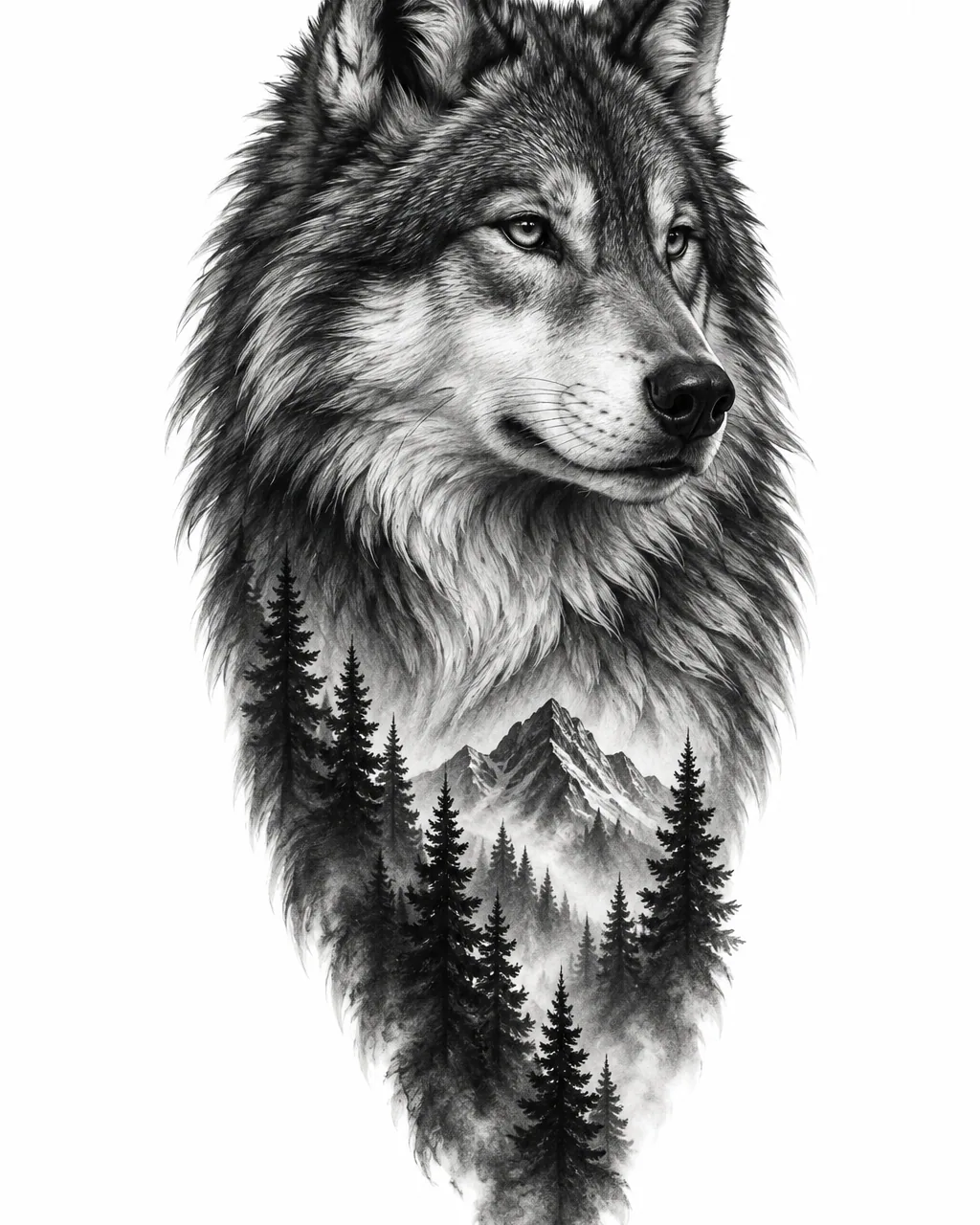
- Wolf
- Loyalty, family and instinct – the lone wolf for independence, the pack for belonging. Wolves appear in stories worldwide, from the she-wolf who raised Rome’s founders to Odin’s wolves in Norse myth and respected wolf figures in many Indigenous traditions.
Y
- Yin and yang
- Balance between complementary opposites – dark and light, rest and action – from Chinese philosophy, especially Taoism. Two halves that complete each other also make it a classic choice for pairs.
No. 01
Does a tattoo meaning matter?
Only as much as you want it to. Traditional meanings are the stories a symbol has gathered over centuries, and they’re worth knowing because other people may read your tattoo that way. But your own tattoo meaning can be completely personal – a rose for a grandmother who grew them, a fox because it was your childhood nickname.
Plenty of great tattoos have no deep meaning at all; you simply love how they look, and that’s reason enough. What matters is that the design still feels right once the excitement fades. If you’re unsure, live with the idea for a few months, or sketch a few versions in the TattooMaker generator and see which one you still like next week.
No. 02
Symbols to research before you get them
Some designs belong to living cultures and faiths, and wearing them carelessly can hurt the people they come from. Polynesian traditions such as Samoan tatau and Māori tā moko carry meanings tied to genealogy, status and community – they aren’t patterns to pick from a picture. If that heritage isn’t yours, work with an artist who knows the tradition; in New Zealand, Māori-inspired designs made for non-Māori are called kirituhi, which is distinct from tā moko.
Sacred images deserve the same care. The feathered headdresses of some Plains nations are regalia in which each feather is an earned honor, some faiths discourage tattooing holy words or names, and in parts of Buddhist Asia an image of the Buddha on the body – especially below the waist – is considered deeply disrespectful. If a symbol is sacred to someone, ask a person from that tradition how it should be shown.
Writing in a language you don’t read is where mistakes are easiest to make. Translation apps miss nuance, Chinese and Japanese characters can be miswritten or mean something unexpected out of context, and scripts like Arabic and Hebrew run right to left with letters that join or change shape, so a reversed or broken word is easy to miss. Have the exact text checked by at least two native speakers, ideally written out in their own hand, and confirm the stencil reads correctly before tattooing begins.
Finally, a few ancient symbols have been taken over by hate groups in modern times, and reputable artists will refuse them. If your artist hesitates over a design, ask why, and research any symbol whose history you don’t know.
FAQ
Tattoo Symbols and Meanings FAQ
What tattoo symbolizes strength?
Lions, tigers and mountains are classic choices for physical and inner strength. For strength that grows out of hardship, many people choose a lotus, which blooms from muddy water, or a phoenix rising from its ashes. For quiet resilience, the semicolon and the arrow both stand for carrying on after a setback.
What tattoo means a new beginning?
Butterflies, phoenixes, lotus flowers and a rising sun all point to change and starting over. A swallow can mark a new chapter after a long journey, and an arrow suggests moving forward.
Is it OK to get a tattoo that doesn’t mean anything?
Yes. Many people choose a design purely because they love it, and an artist’s skill, a style you admire or a good memory of the day you got it are all valid reasons. A tattoo doesn’t have to explain itself.
Can a tattoo symbol mean different things in different cultures?
Often. A dragon is a lucky, benevolent creature in East Asia and a monster to be slain in many European tales, and an owl can signal wisdom in one place and a bad omen in another. When you read tattoo symbol meanings, check where each reading comes from and think about where you live and travel.
How can I check a symbol’s meaning before getting it?
Look it up in more than one reliable source, including sources from the culture it comes from, and search for any modern associations it has picked up. For writing in another language, ask native speakers. Your artist is a good sounding board too – experienced artists know which designs carry baggage.
Turn the idea into your own design
Describe it in a sentence — four original sketches in seconds.