Style guide · 8 designs
Realism Tattoo Ideas & Guide
A realism tattoo recreates its subject the way a camera would see it – accurate proportions, smooth shading and depth, in black and grey or full color. This guide covers how the style developed, the subjects that suit it, how realistic tattoos age and how to choose a specialist.
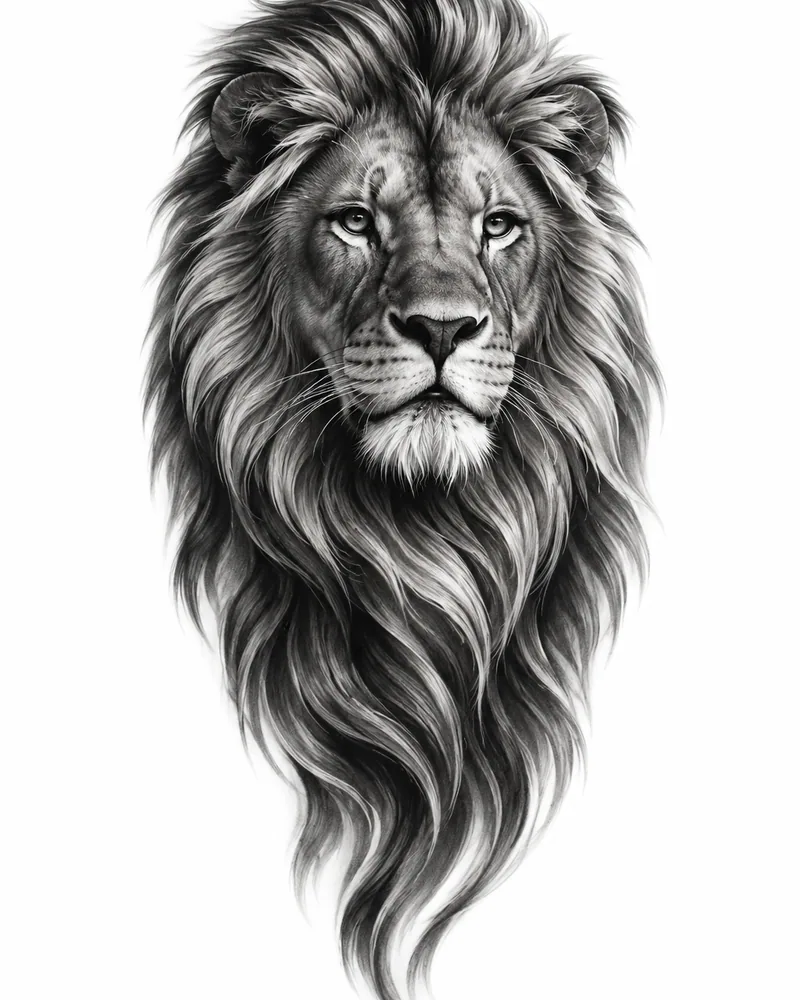
Realism tattoo designs
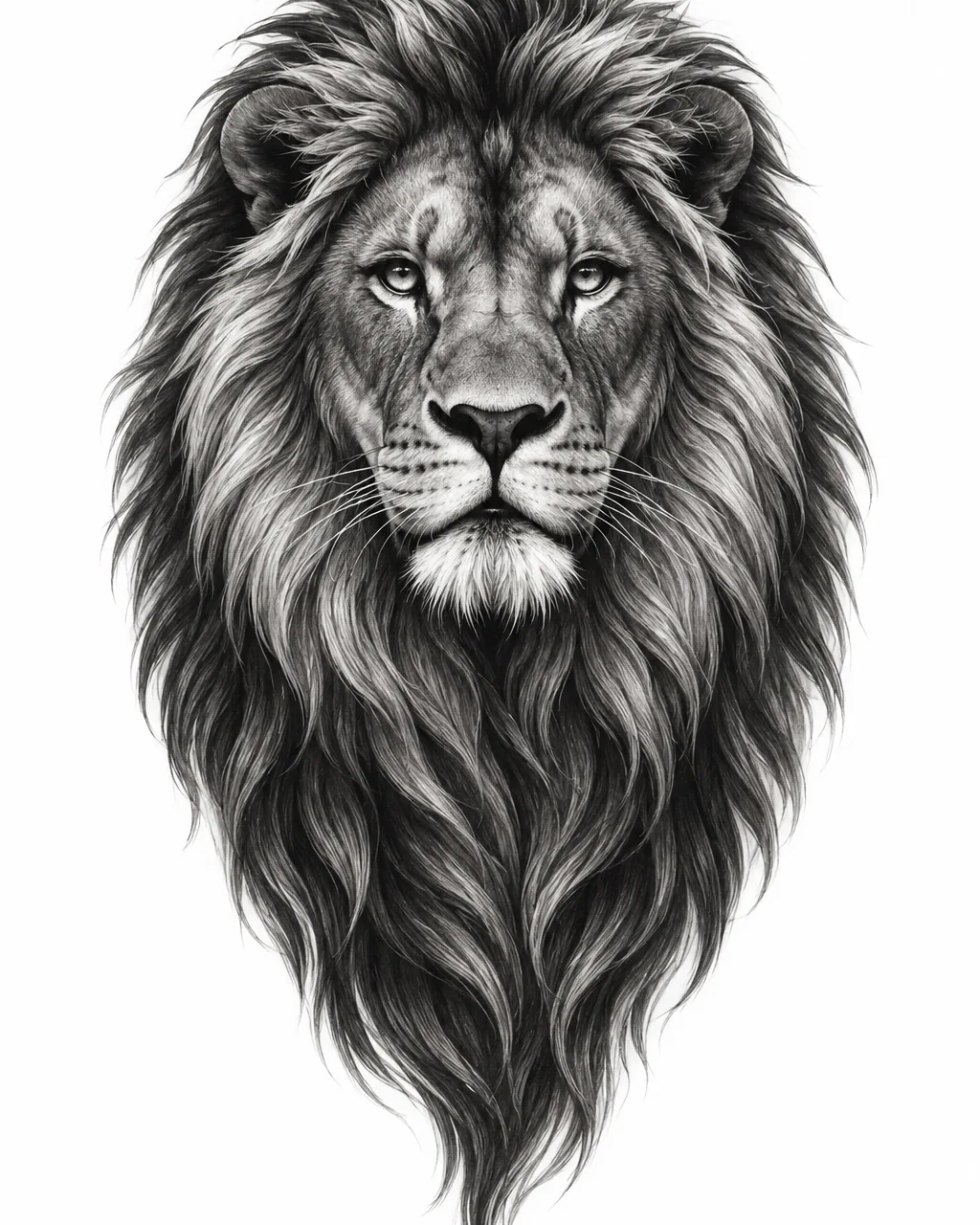
a lion portrait with a flowing maneRealism · forearm 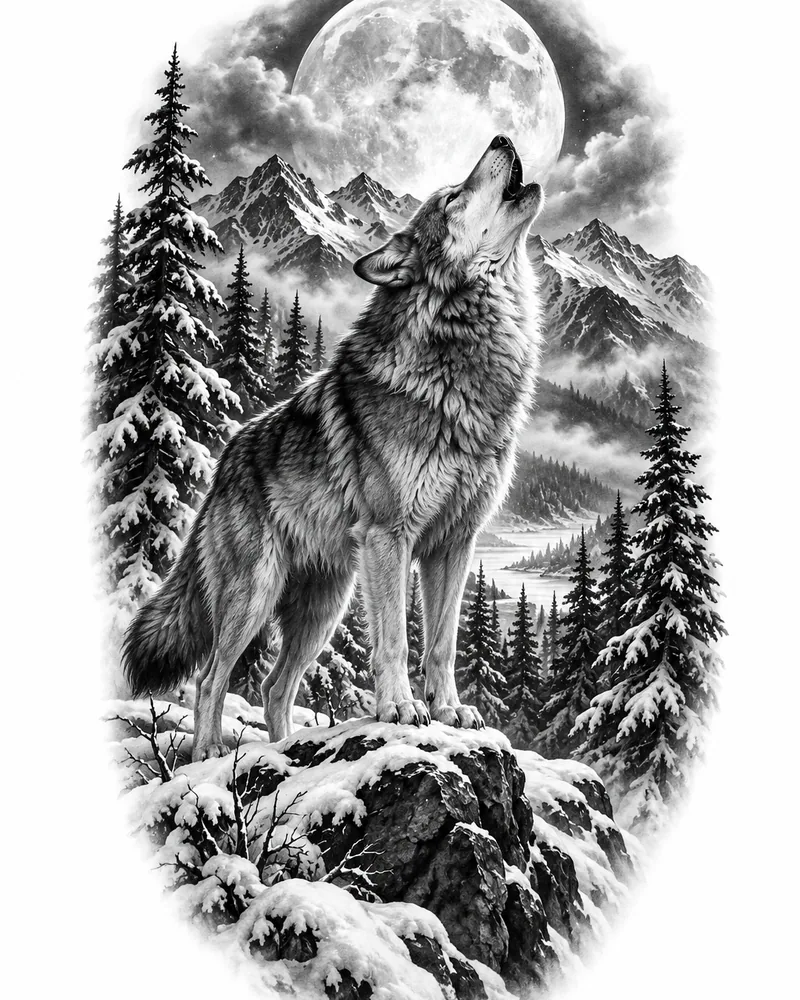
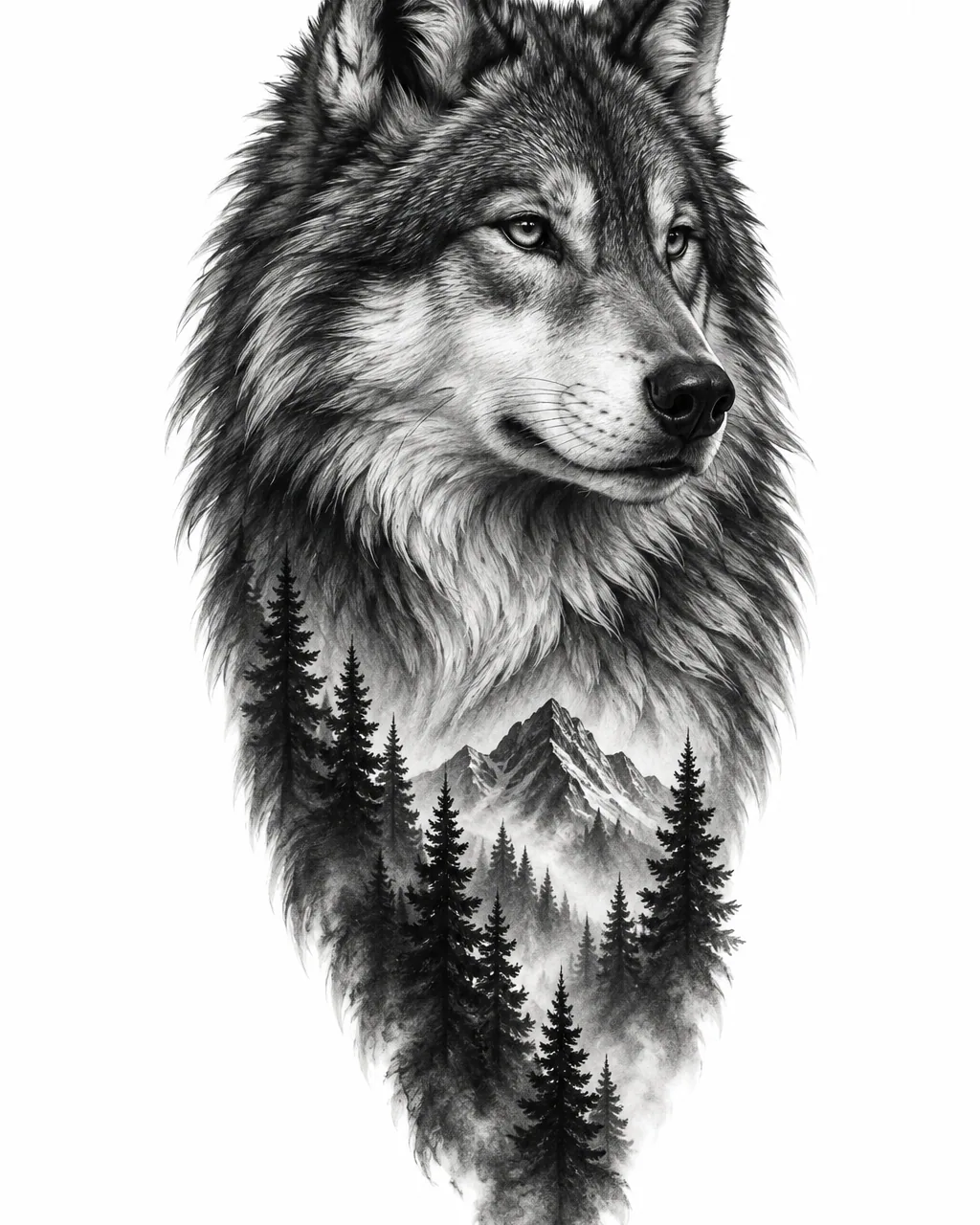
a wolf howling in a snowy forestRealism · upper arm 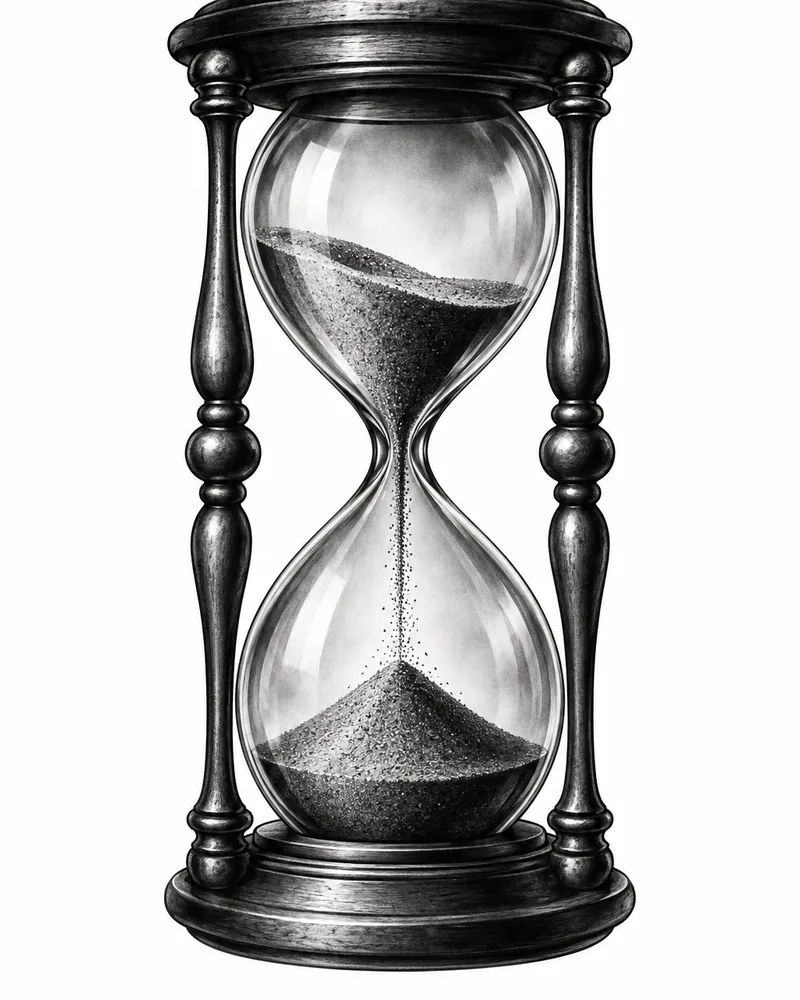
an hourglass with sand fallingRealism · calf 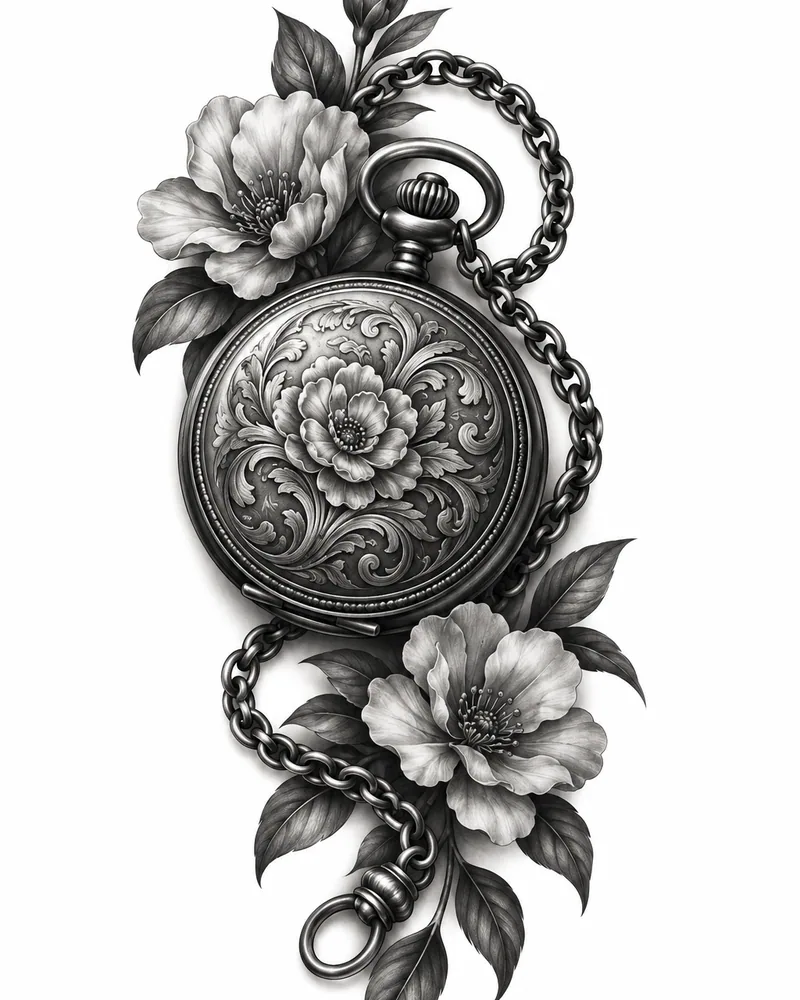
a closed pocket watch with an engraved floral lid and a coiled chainRealism · forearm 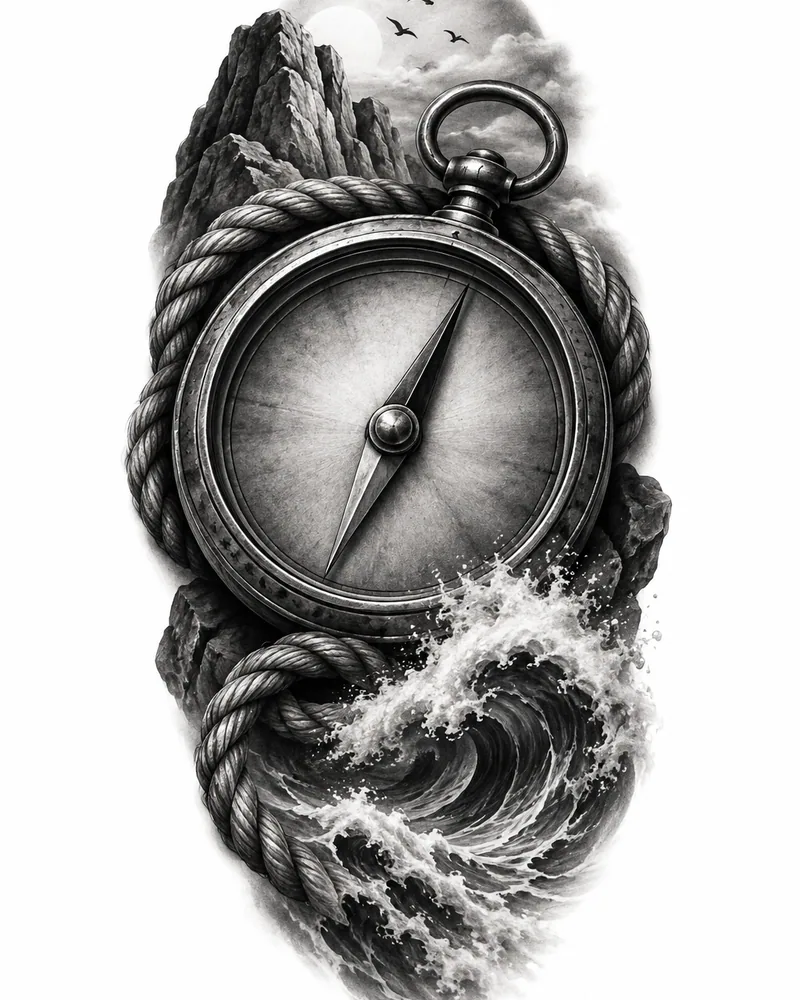
an antique compass with a plain dial showing only the needle, no letters or numbersRealism · upper arm 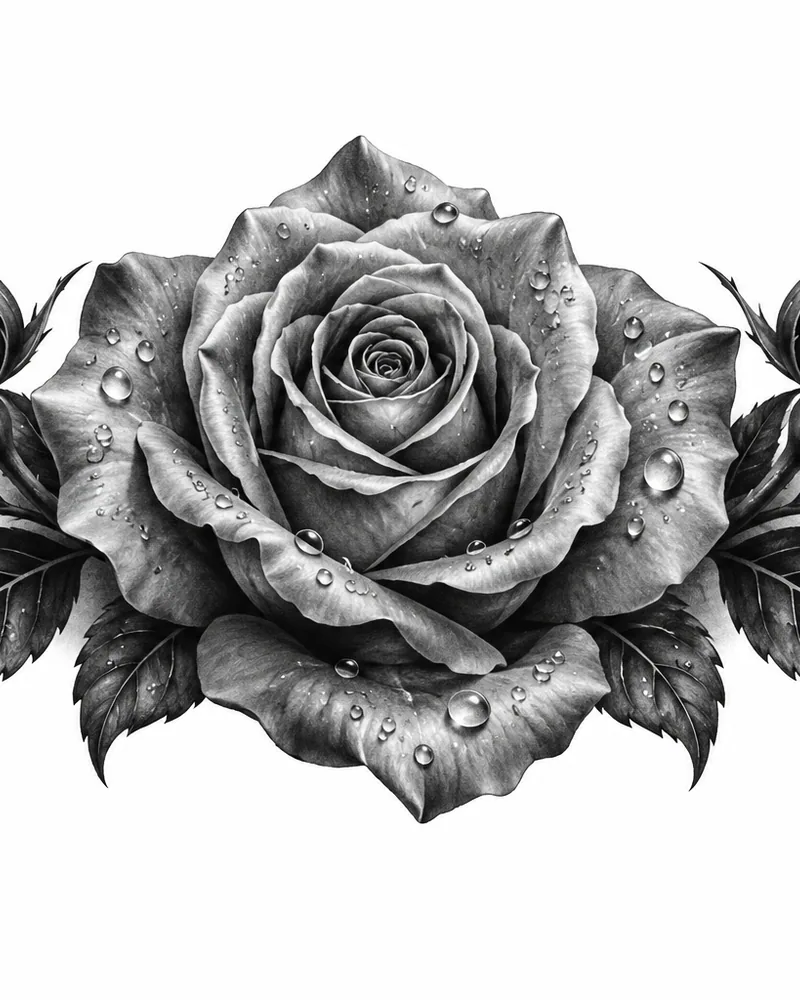
a rose with dewdrops on its petalsRealism · chest 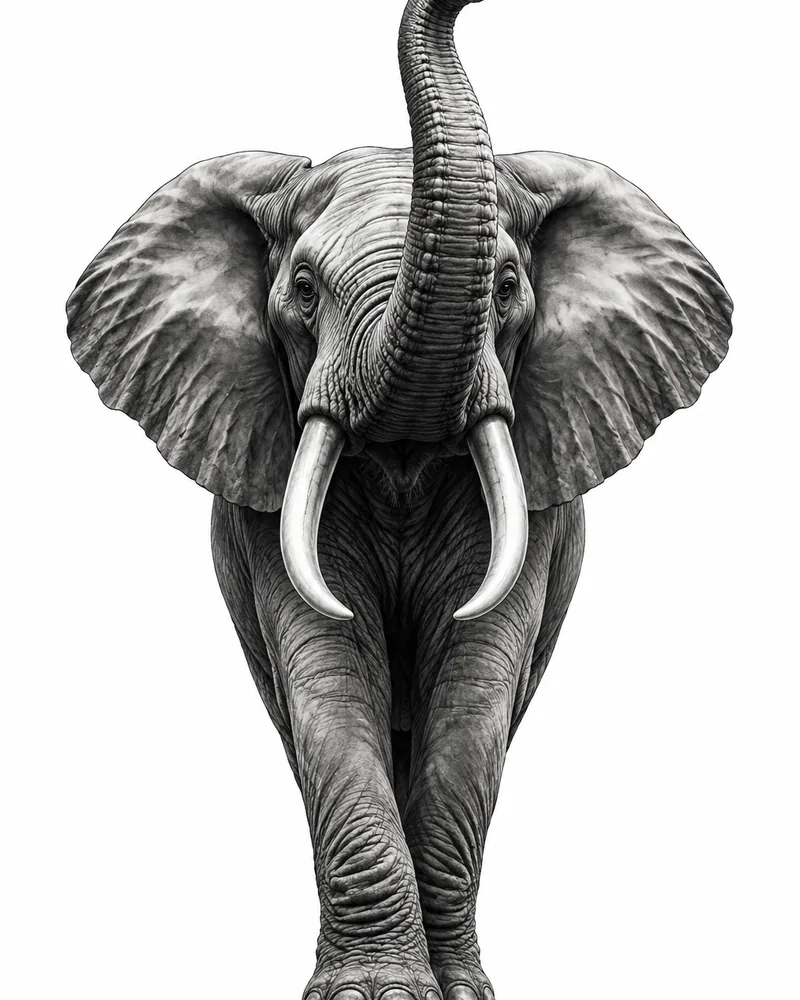
an elephant with its trunk raisedRealism · back 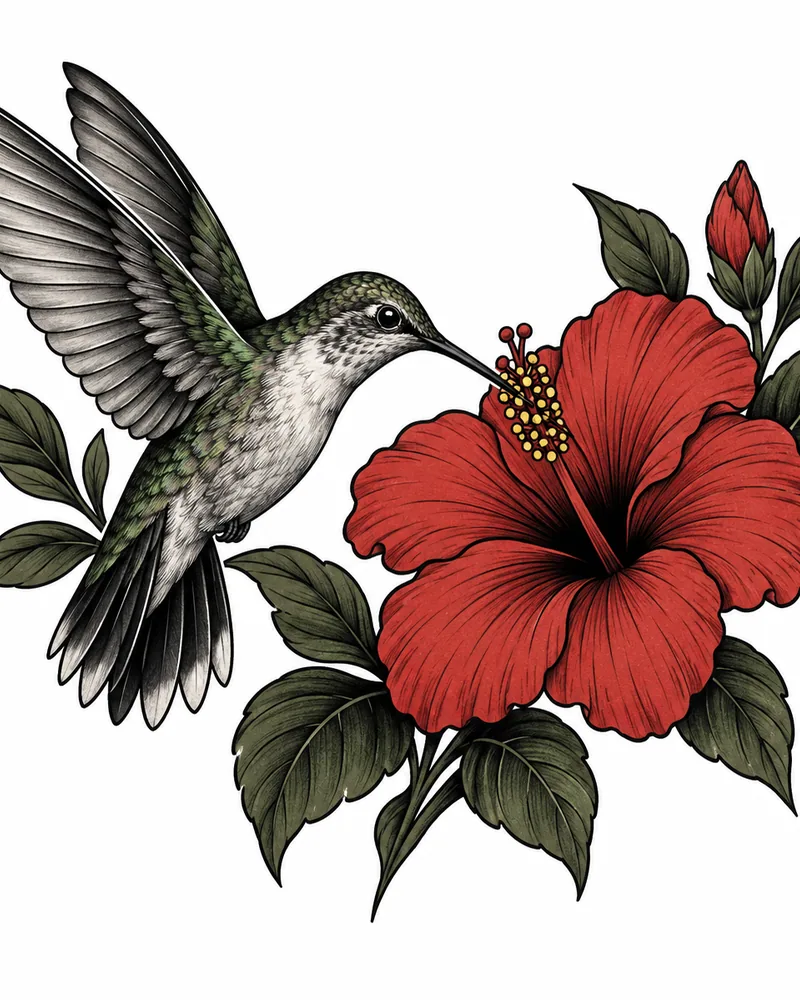
a hummingbird hovering at a flowerRealism · hand Not quite it?
Describe your own realism tattoo
No. 01
What is a realism tattoo?
Realism aims to make a tattoo look like a photograph or a lifelike painting. Instead of outlines, artists build form with light and shadow, texture and subtle gradients, so a lion’s fur, the reflection in an eye or the metal of a pocket watch reads as three-dimensional.
The style grew out of the single-needle black-and-grey work of the 1970s and developed as machines, needles and inks improved, letting artists layer smoother gradients and finer detail. Today it includes black and grey realism, color realism and micro realism – tiny, highly detailed designs that need extra care with size.
Realism is usually done from reference photos, so the quality of your source image shapes the result. It’s also one of the most technically demanding styles, which is why many artists specialize in it.
No. 02
Key characteristics of realism tattoos
- No hard outlines
- Edges are defined by contrast and shading rather than black lines.
- Smooth gradients
- Layers of diluted black or blended color create soft transitions from light to dark.
- Full value range
- Deep blacks, mid-tones and bright highlights give the image depth.
- Texture
- Fur, feathers, skin, metal and glass are rendered to look touchable.
- Accurate proportions
- Anatomy and perspective closely match the reference.
- Reference-based
- Most pieces start from sharp, high-resolution photos chosen or taken for the design.
No. 03
Popular realism tattoo ideas
Subjects with strong light, rich texture and a clear focal point make the best realism tattoos.
- Lion portrait
- A front-facing or three-quarter lion head with a detailed mane, best at 5 inches or more.
- Pocket watch with roses
- A watch face set to a meaningful time, framed by realistic roses, for the forearm or upper arm.
- Eye with tears of light
- A realistic eye with soft light streaming from it – a striking focal point built on contrast.
- Wolf portrait
- A wolf with piercing eyes, often in black and grey with soft fur texture.
- Compass and map
- A vintage compass on an aged map, layering metal and paper textures; popular with travelers.
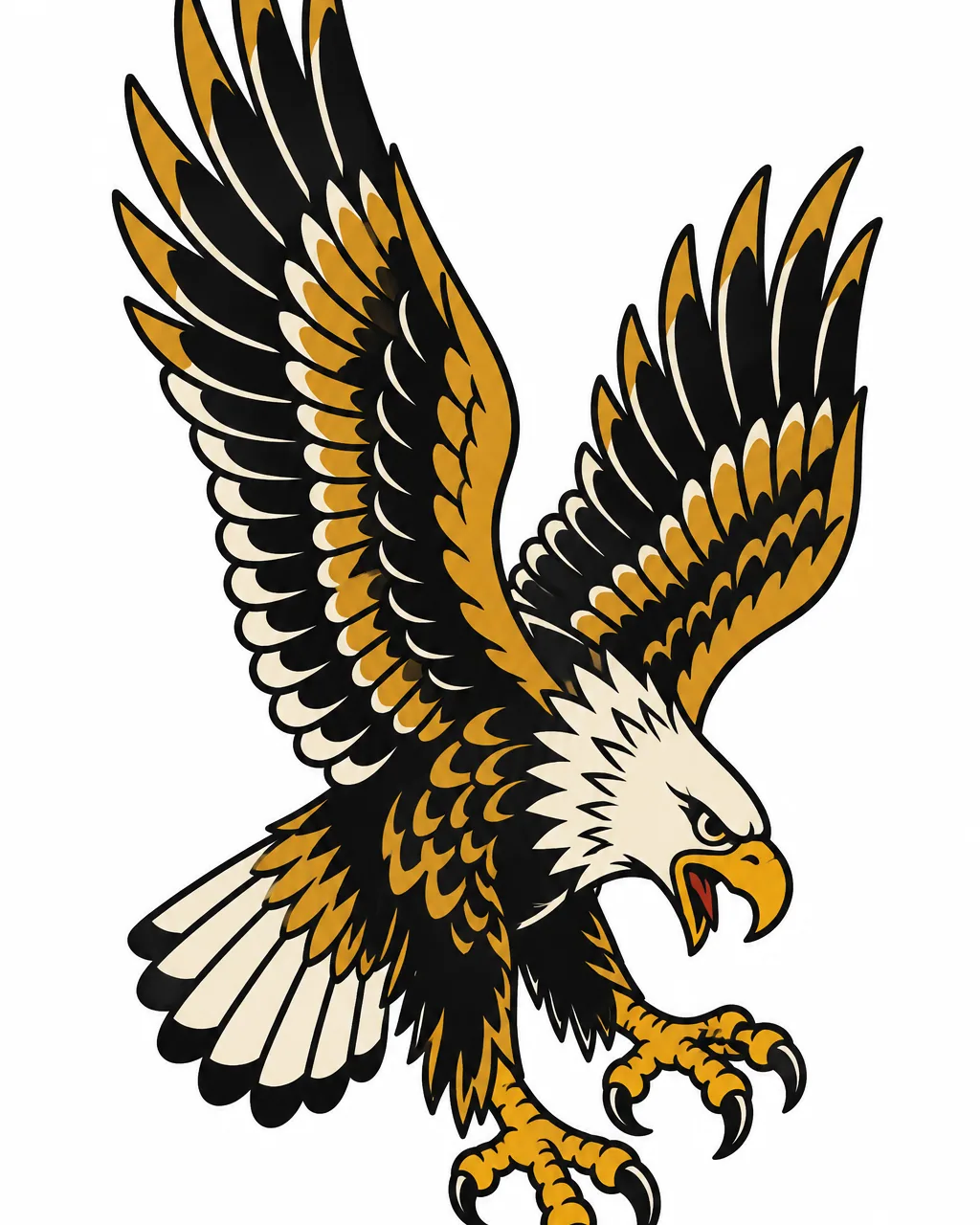
- Eagle portrait
- A detailed eagle head in profile, with feather texture that rewards a larger size.
- Hourglass
- Glass, sand and wood in one object, often paired with flowers or a clock.
- Owl portrait
- Large eyes and layered feathers make owls a natural fit for realistic shading.
No. 04
How realism tattoos age
Realism depends on subtle tones, and those change first. Over the years, soft gradients lighten, highlights can fill in and fine detail blurs as ink spreads slightly under the skin. A piece that relies on mid-tones without strong darks can start to look flat.
Size and contrast are the answer. Larger pieces keep their detail far better than small ones, and micro realism is especially prone to blurring. Experienced realism artists build in deep blacks and bright highlights so the image still reads from a distance as it softens. Sun protection keeps both color and black and grey work rich for longer.
No. 05
Best placements and sizes for realism
Realism needs a flat, generous canvas with room for detail.
- Upper arm
- A smooth, sheltered area for portraits at 5–8 inches.
- Forearm
- Good for watches, compasses and hourglasses at 4–7 inches; the inner forearm stays flatter.
- Calf
- Plenty of room for animal portraits at 6–8 inches.
- Chest and back
- Large, flat areas for detailed portraits or multi-element compositions.
No. 06
Working with a realism artist
Choose an artist whose portfolio is full of the kind of realism you want – black and grey portraits, color animals or detailed objects. In healed work, look for smooth gradients without patchiness, accurate proportions and contrast that holds up after healing.
Bring sharp, well-lit, high-resolution reference photos, ideally ones you took yourself or have permission to use. Ask whether the artist will combine several references, how large the design must be to keep its detail and how many sessions it may take. For portraits of people or pets, choose a photo with clear light on the face. To plan the layout around your photo, the TattooMaker generator can sketch a few compositions.
FAQ
Realism style FAQ
How long do realism tattoos last?
A realism tattoo is permanent, but its fine detail softens as ink spreads and light tones fade. Large, high-contrast pieces can look good for many years, while small micro realism blurs sooner. Good placement, sun protection and an occasional touch-up of highlights and darks help a realistic tattoo keep its depth.
Are realism tattoos expensive?
Realism is usually among the more expensive styles because it takes more hours and specialized skill. The total depends on size, detail, color and the artist’s rate, and large portraits often need several sessions. A tattoo cost calculator can give you a rough range for your size and placement before you ask your artist for a quote.
Is black and grey or color realism better?
Neither is better; they suit different goals. Black and grey realism uses diluted black for soft, timeless gradients and often ages gracefully. Color realism can look strikingly lifelike but needs more upkeep, since lighter colors fade first. Choose based on your subject, your skin and which approach the artist you want specializes in.
Can you get a realistic tattoo of a pet?
Yes, pet portraits are a popular realism subject. Bring a sharp, well-lit photo where the eyes are clear and the fur detail is visible, ideally taken at the pet’s eye level. A medium to large size keeps the texture readable over time, and many people add a name, a date or flowers to make it a memorial piece.
What is micro realism?
Micro realism is realism at a small scale – tiny portraits, animals or objects with lifelike shading, often only a couple of inches across. It can look impressive when fresh, but there’s little room for ink to spread, so fine detail blurs sooner than in larger realism. If you love the look, choose a simple subject and the largest size your placement allows.
Design your own realism piece
Describe it in a sentence. Four original sketches in seconds — then turn the one you love into a stencil.