Style guide · 8 designs
Tribal Tattoo Ideas & Guide
A tribal tattoo, in modern usage, means bold black patterns inspired by the tattoo traditions of Polynesia, Borneo, the Philippines and beyond. Many of those designs carry specific cultural and family meanings, so this guide covers the history, the visual language and how to approach the style respectfully.
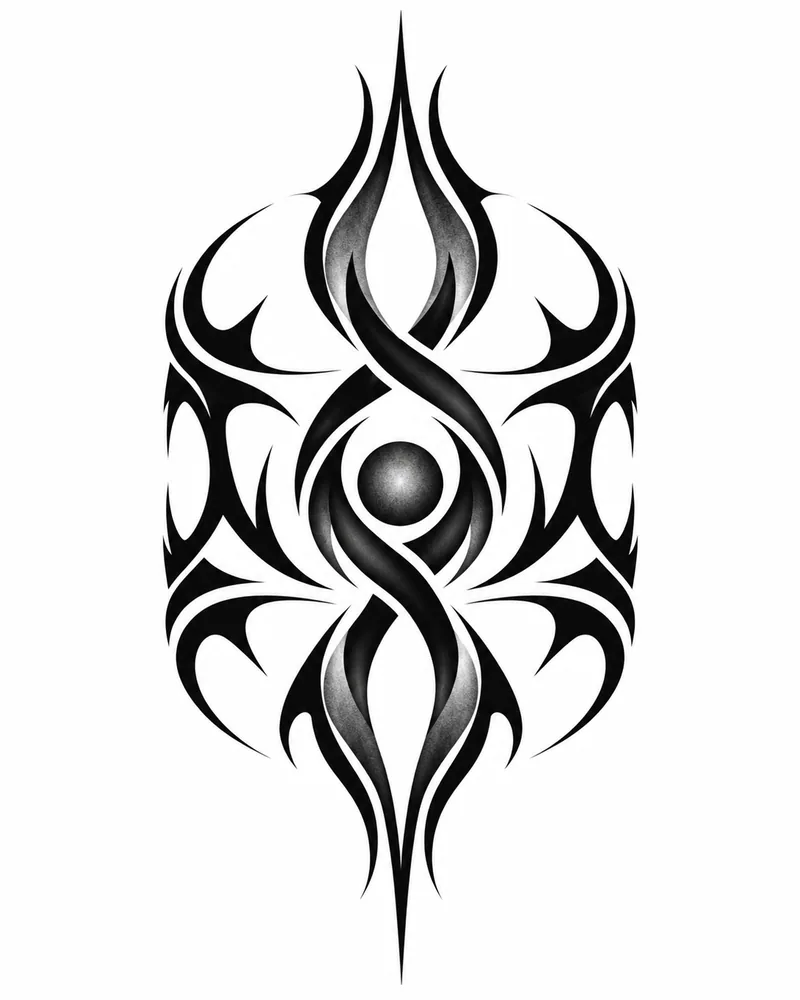
Tribal tattoo designs
a wraparound band drawn flatTribal · upper arm 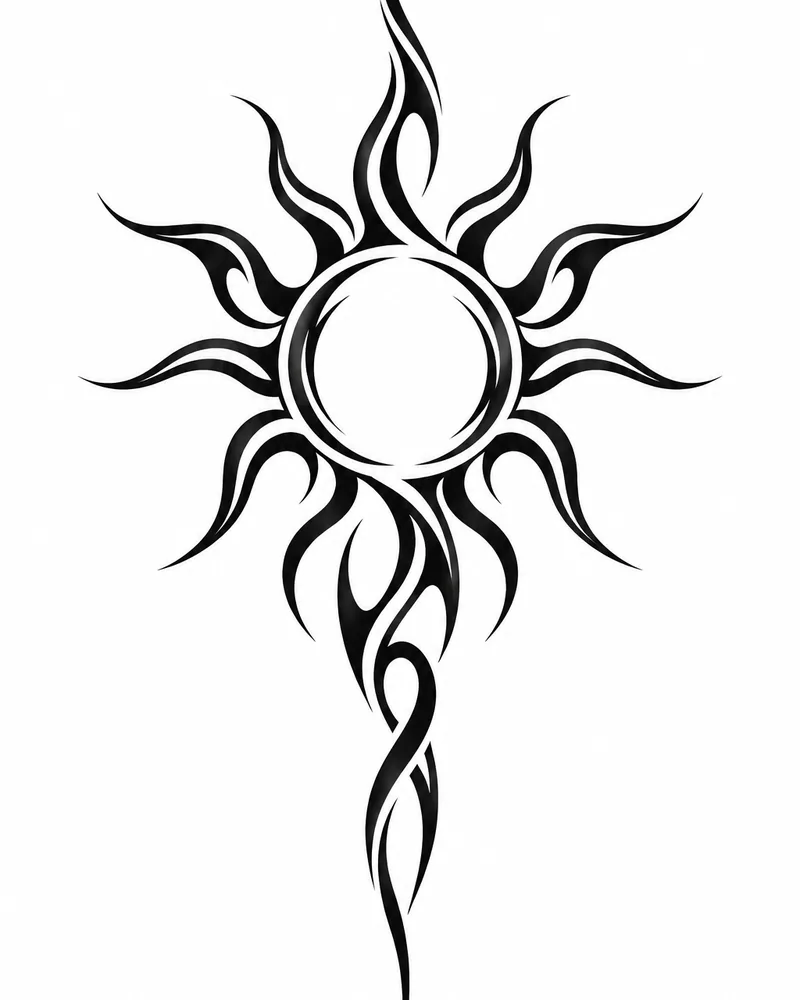
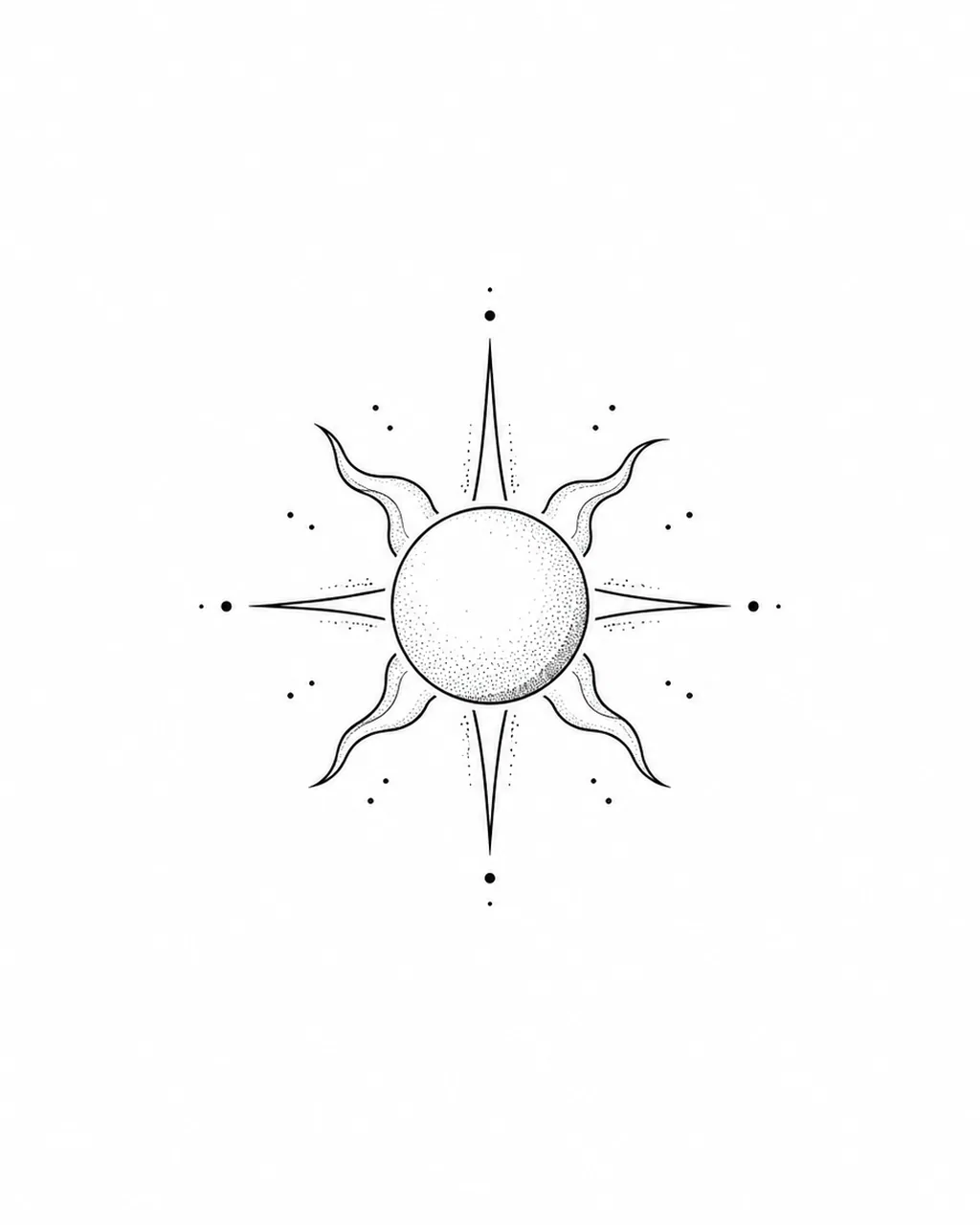
a sun with flowing pointed raysTribal · forearm 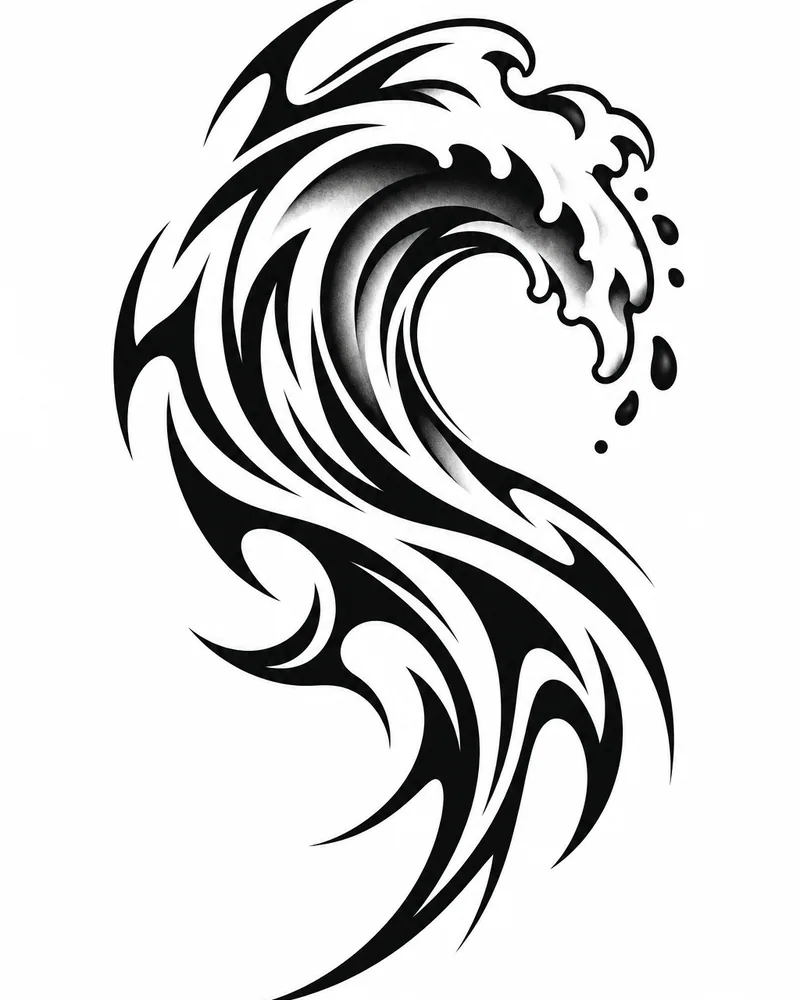
a curling waveTribal · calf 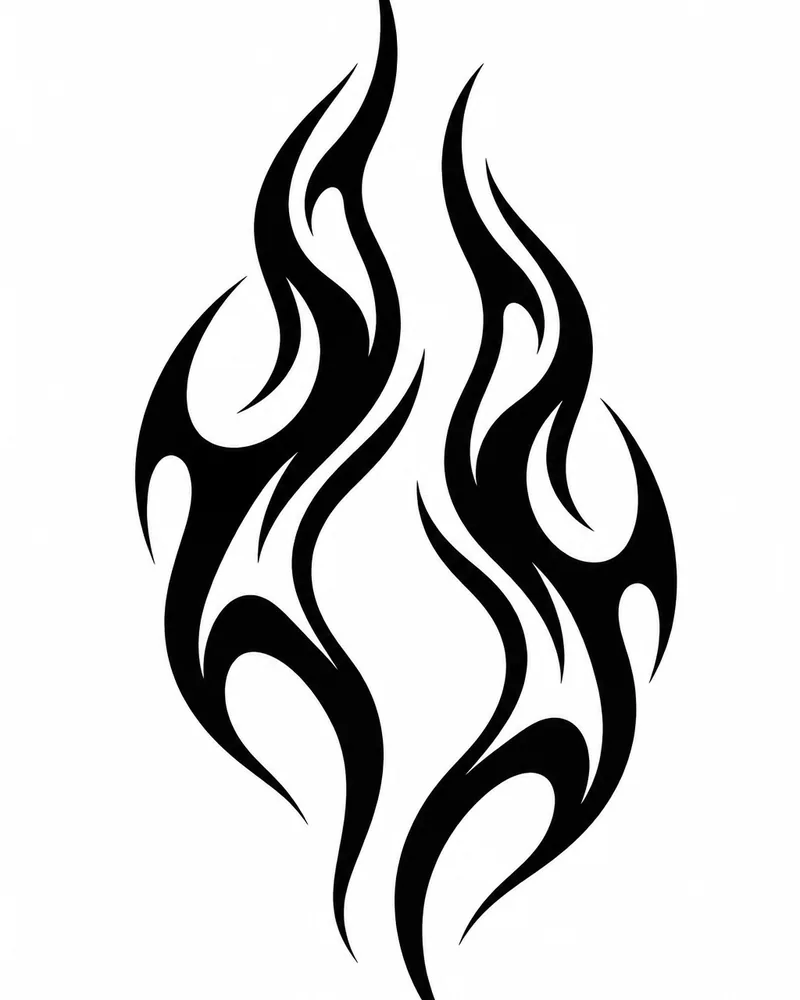
a pair of curved flamesTribal · upper arm 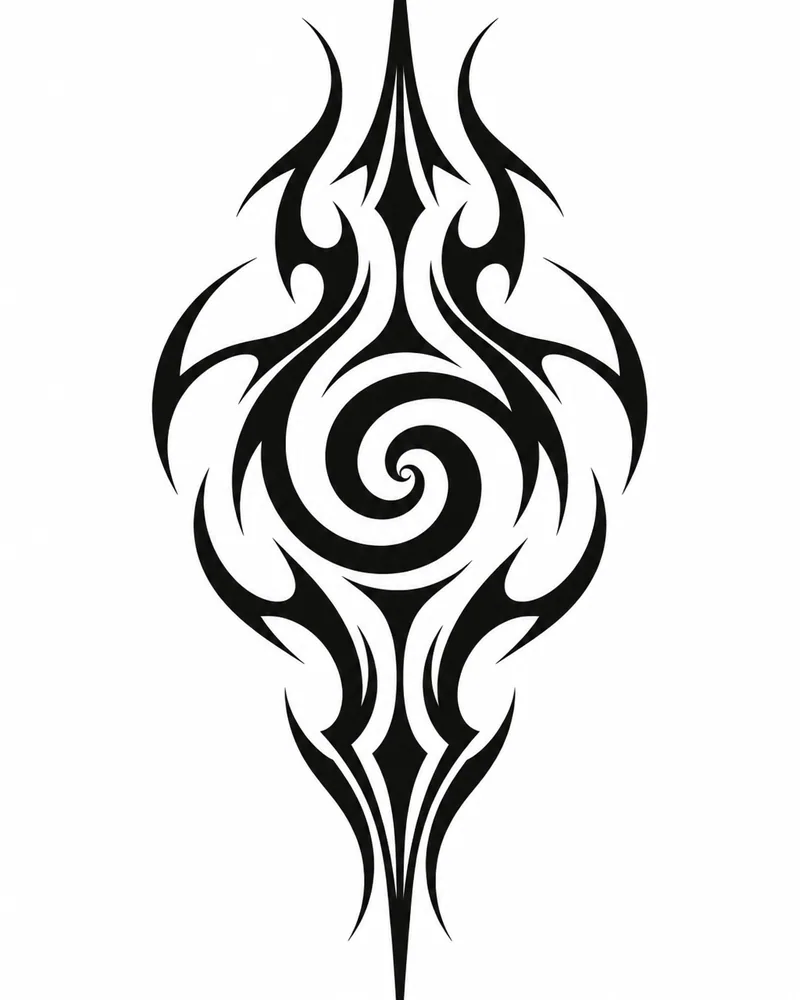
a symmetrical spiral flourishTribal · back 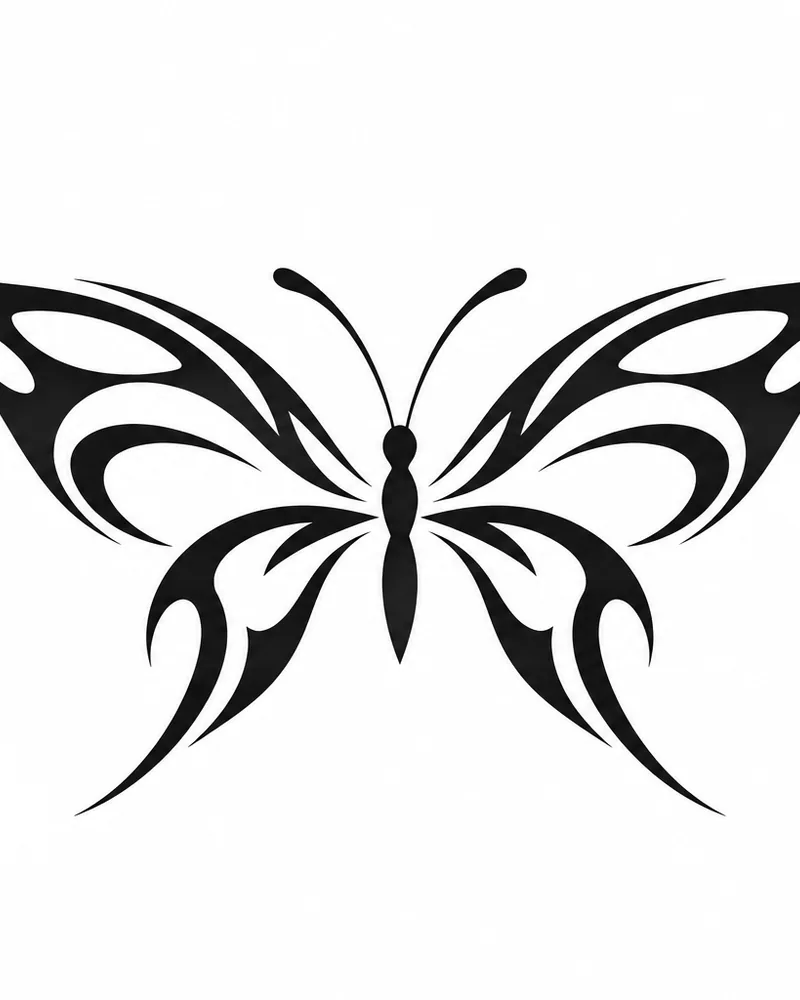
a butterfly with pointed sweeping wingsTribal · ankle 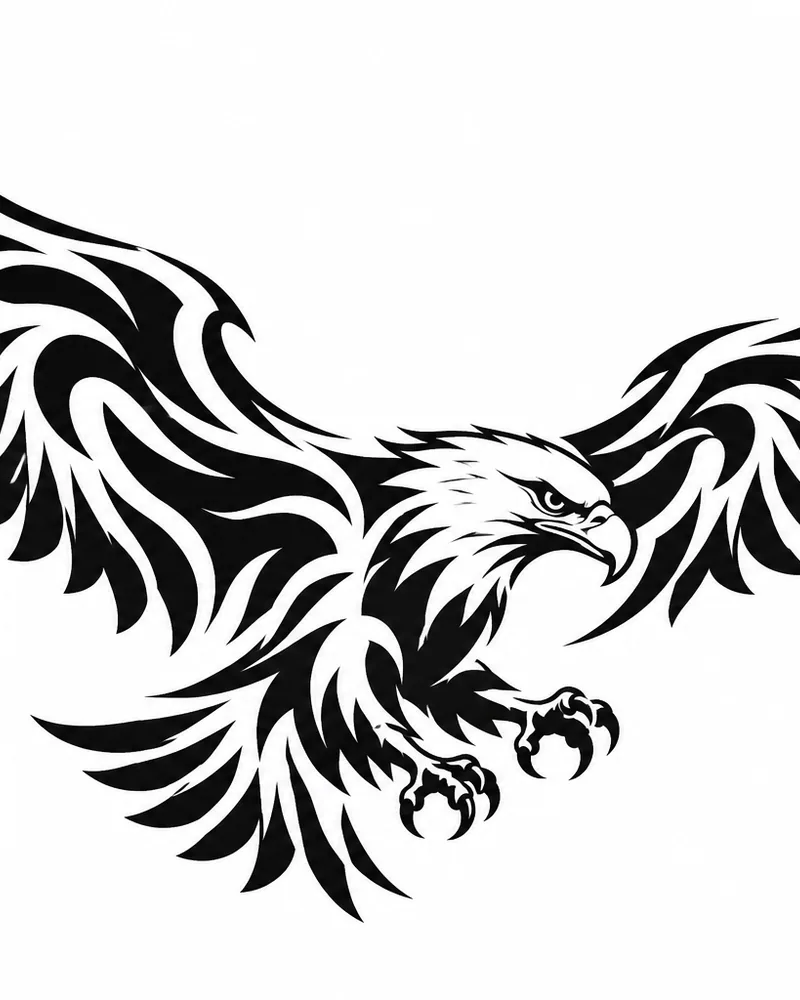
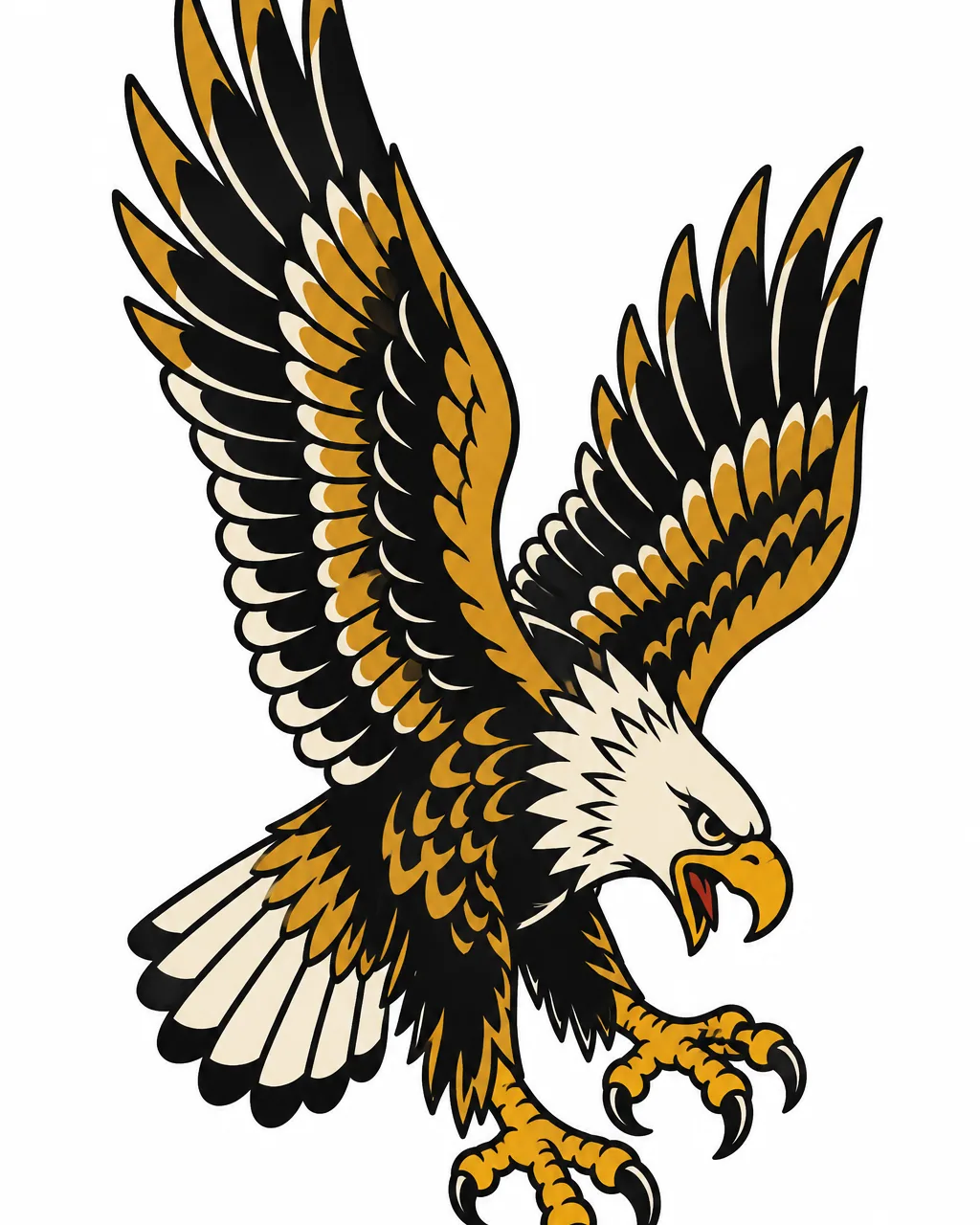
an eagle in flight with asymmetrical sweeping wings, natural poseTribal · chest 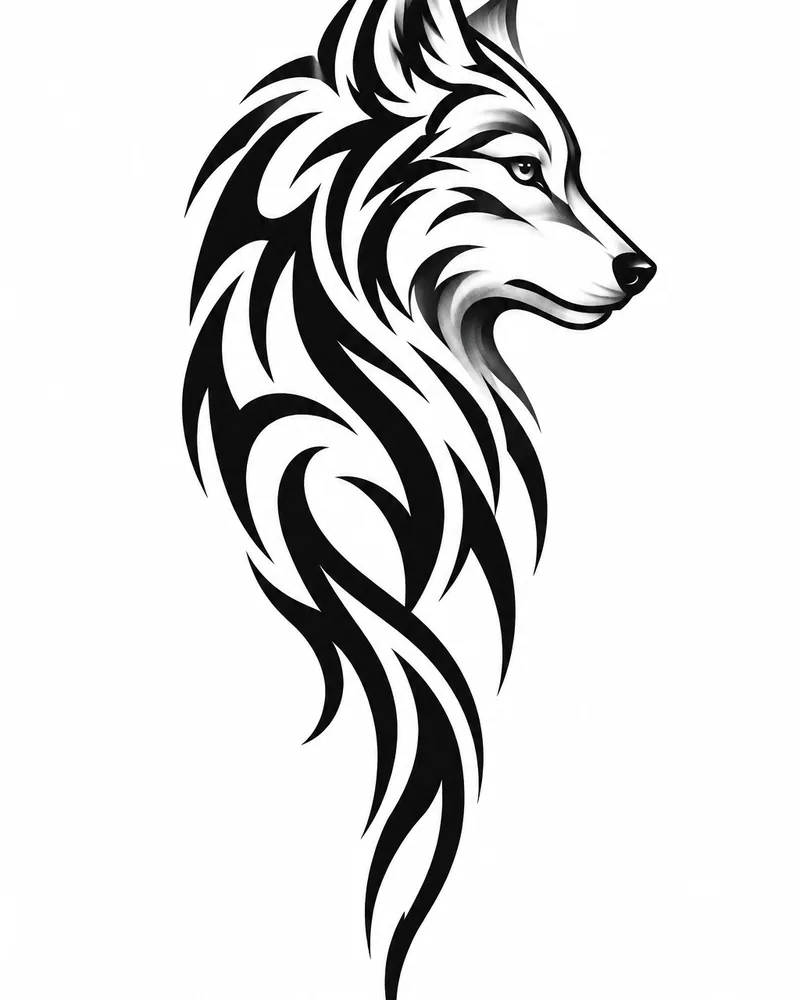
a wolf head in profileTribal · forearm Not quite it?
Describe your own tribal tattoo
No. 01
What is a tribal tattoo?
“Tribal” is a Western catch-all label, not a single style. It usually describes solid black, pattern-based tattoos drawn from or inspired by Indigenous traditions such as Samoan tatau, Māori tā moko, Hawaiian kākau, Marquesan tattooing, Iban tattooing from Borneo and Filipino batok. These practices are centuries old – the English word tattoo itself comes from the Polynesian tatau, recorded by European sailors in the 18th century.
In many Polynesian cultures, tattoos record genealogy, rank, rites of passage and personal history, and some designs belong to specific families or roles. Māori tā moko, for example, is a sacred practice tied to whakapapa (ancestry); Māori-style artwork made for people outside the culture is usually called kirituhi.
In the 1980s and 1990s, Western artists popularized a looser “neo-tribal” look: flowing black shapes with sharp points that borrowed the boldness of these traditions without their specific meanings. Today you’ll see both authentic cultural work and original designs inspired by their visual language.
No. 02
Key characteristics of tribal tattoos
- Solid black
- Designs rely on saturated black ink, with no color and little or no soft shading.
- Negative space
- The skin between black shapes is part of the pattern, so spacing is designed as carefully as the ink.
- Flow with the body
- Patterns follow muscles and bone structure, wrapping arms, shoulders and calves.
- Repeating motifs
- Polynesian work combines small elements – shark teeth, waves, spearheads, turtles – into bands and panels.
- Points, curves and spirals
- Neo-tribal uses sweeping curves with sharp tapered points; Māori-inspired work features spirals such as the koru.
- Symmetry and rhythm
- Bands and panels often mirror or repeat elements for a balanced, rhythmic look.
No. 03
Popular tribal tattoo ideas
Motif meanings vary between island groups and families, so treat these as common readings and ask your artist what each element means in their tradition.
- Polynesian-inspired armband
- A band of repeating patterns around the upper arm, sized to wrap fully or stop at the inner arm.
- Tribal sun
- A round sun with flame-like rays in solid black, compact enough for a shoulder blade or calf.
- Turtle
- Often linked with long life and navigation in Polynesian imagery; the shell becomes a panel of patterns.
- Māori-inspired spiral shoulder piece
- Koru-style spirals that cap the shoulder and flow onto the upper arm, best designed as kirituhi by an artist who knows the tradition.
- Wave
- Stylized ocean waves in repeating bands, a nod to the sea’s central place in island life.
- Sleeve panel
- A vertical panel of patterns running down the arm, planned as part of a future half or full sleeve.
- Manta ray
- A symmetrical manta whose body holds smaller patterns, often read as grace and protection.
- Forearm band
- A narrower band around the forearm; keep it simple so the black packs evenly.
No. 04
How tribal tattoos age
Solid black tattoos are among the most durable you can get. Black ink holds its density better than colors, and bold shapes stay readable for decades, long after finer styles have softened.
The weak point is negative space. As ink spreads slightly over the years, thin channels of skin between black shapes can narrow or close, so keep the gaps generous. Large black areas can heal a little patchy and need a touch-up pass to look even – that’s normal, not a flaw.
No. 05
Best placements and sizes for tribal tattoos
Tribal work is designed around anatomy, so the placement shapes the design rather than the other way around.
- Upper arm and shoulder
- The classic spot for armbands, shoulder caps and half sleeves; armbands are usually 2–4 inches tall.
- Forearm
- Bands and vertical panels that wrap the forearm; bands of 1.5–3 inches pack most evenly.
- Calf
- Wraparound bands or vertical pieces of 5–8 inches that follow the calf muscle.
- Back and chest
- Large panels across the shoulder blades or chest, planned around the spine and collarbones.
No. 06
Working with a tribal tattoo artist
For Polynesian or other cultural work, look for an artist from that culture or one who has trained closely within it. They can explain what each element means, design something genuinely yours and steer you away from motifs reserved for specific families or roles. Some practitioners still offer traditional hand-tapping.
For neo-tribal or inspired designs, look for crisp, evenly packed black and clean curves in healed photos. Bring references for shapes you like rather than someone else’s personal tattoo to copy, and ask what each element would mean. If an artist declines a motif for cultural reasons, take it as a sign of expertise.
FAQ
Tribal style FAQ
Is it okay to get a tribal tattoo if it’s not from my culture?
Many people wear tribal-inspired tattoos, but respect matters. Avoid copying sacred or family designs such as Māori tā moko, learn what the elements mean, and work with an artist who knows the culture or creates original inspired designs. Kirituhi-style artwork and neo-tribal shapes are common ways to appreciate the look without claiming someone else’s lineage.
What do tribal tattoos mean?
It depends on the tradition. In Polynesian cultures, designs can record ancestry, status, achievements and life events, and individual motifs – waves, shark teeth, turtles, spearheads – carry associations that vary by island group and family. Western neo-tribal designs are usually decorative. The surest way to give your tattoo meaning is to build it with an artist who can explain each element.
Do tribal tattoos fade?
Tribal tattoos fade less than most styles because they use solid black, the most stable tattoo pigment. Over many years, black may soften slightly toward dark gray, and thin gaps of skin between shapes can narrow as ink spreads. Generous negative space, sun protection and a touch-up when needed keep the design crisp.
What is the difference between tribal and Polynesian tattoos?
Polynesian tattooing refers to specific cultural traditions – Samoan, Māori, Hawaiian, Marquesan, Tahitian and others – each with its own motifs, rules and meanings. “Tribal” is a broader Western label that includes Polynesian-inspired work but also the neo-tribal style of the 1990s, which uses bold black curves and points without a specific cultural meaning.
What is kirituhi?
Kirituhi, roughly “skin drawing,” is the Māori term for artwork in a Māori style that isn’t tā moko. Tā moko records a person’s ancestry and is generally reserved for people of Māori descent, while kirituhi can be designed for anyone. It’s a respectful option if you love the look, ideally created by a Māori artist or one trained in the tradition.
Design your own tribal piece
Describe it in a sentence. Four original sketches in seconds — then turn the one you love into a stencil.