The flash wall
Tattoo Flash
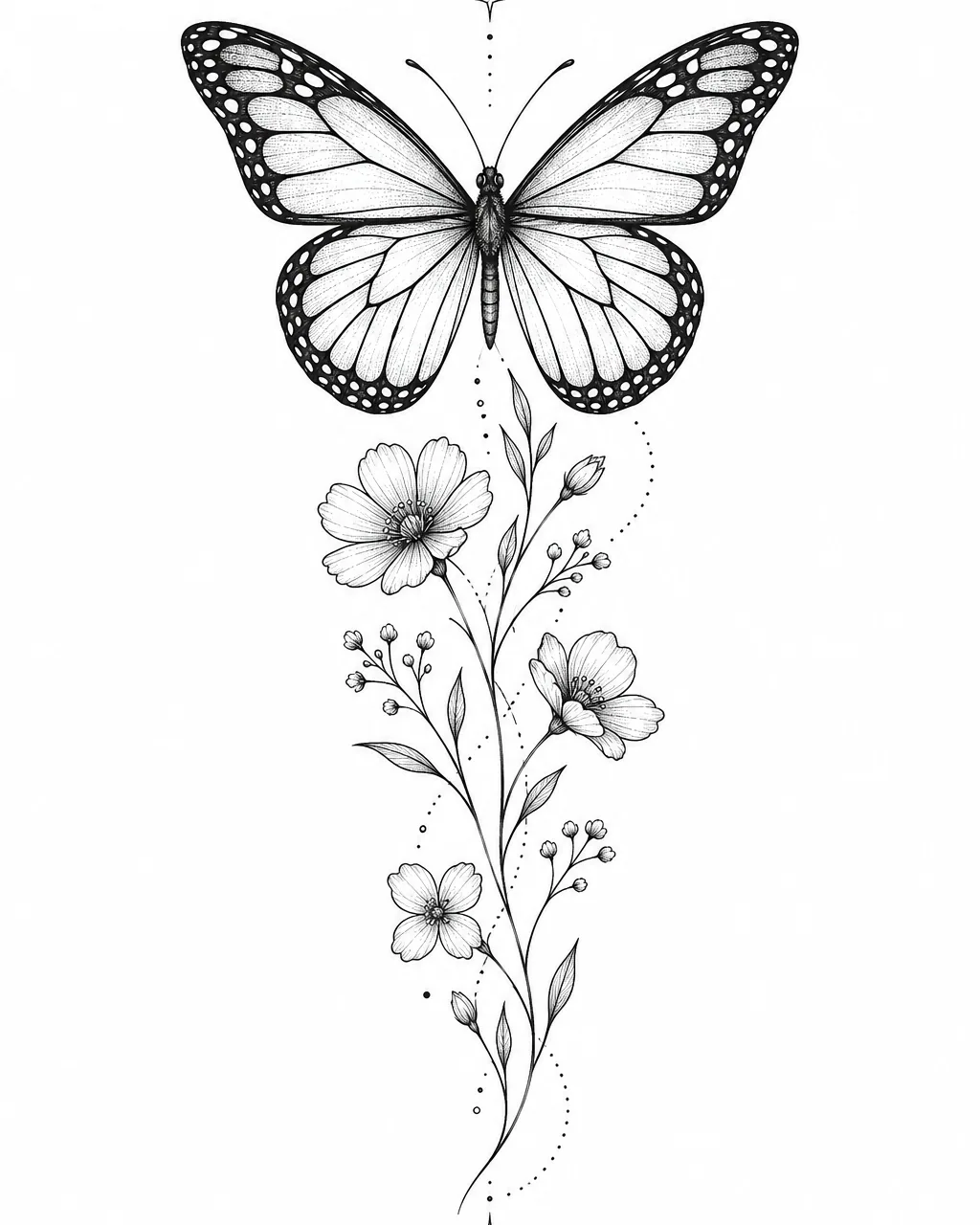
Tattoo flash is artwork drawn ahead of time and offered ready to tattoo – traditionally painted on sheets and hung on shop walls so customers could point and choose. Here’s where flash came from, what makes a sketch tattoo well, and how to use AI sketches fairly.
No.01 
No.02 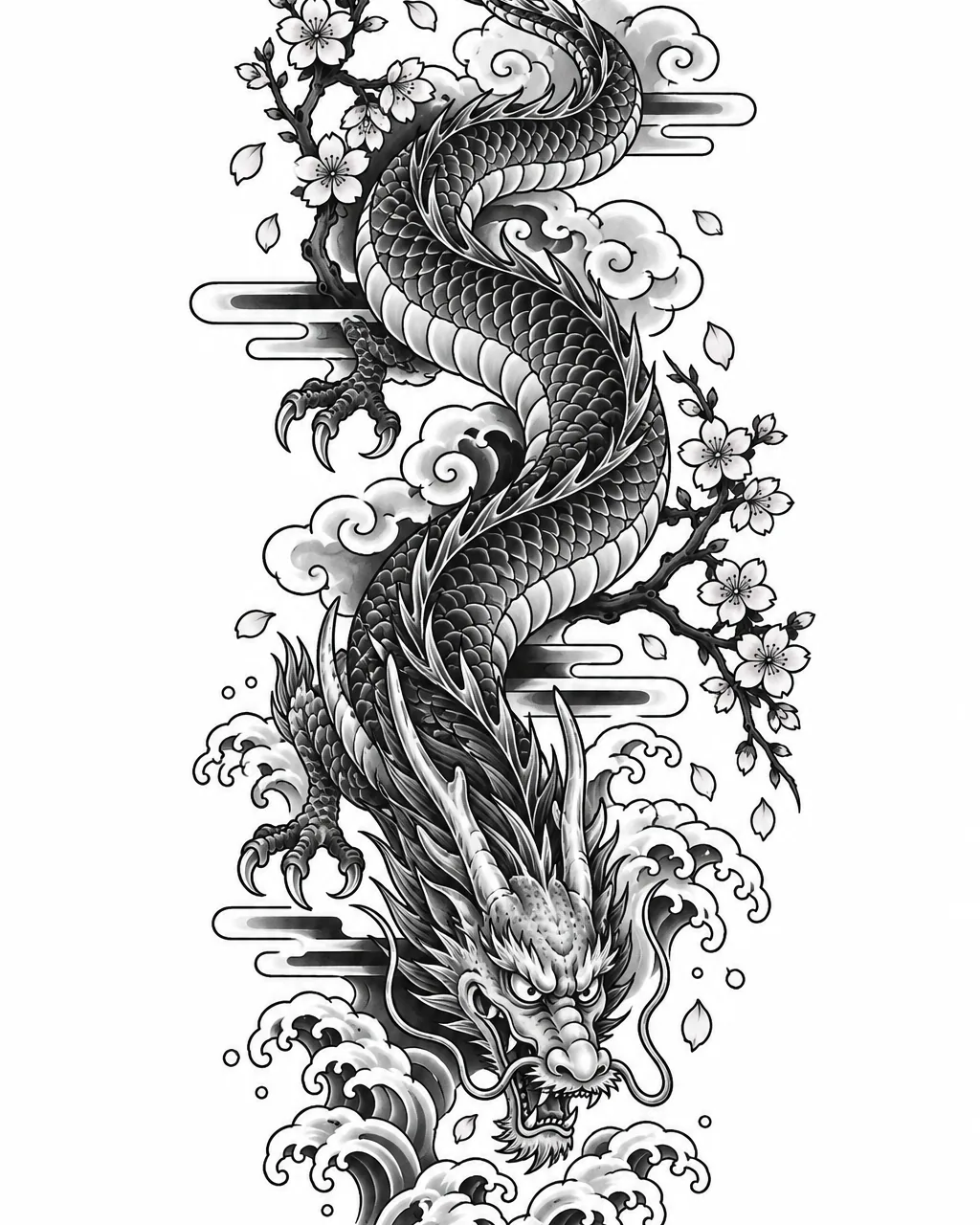
No.03 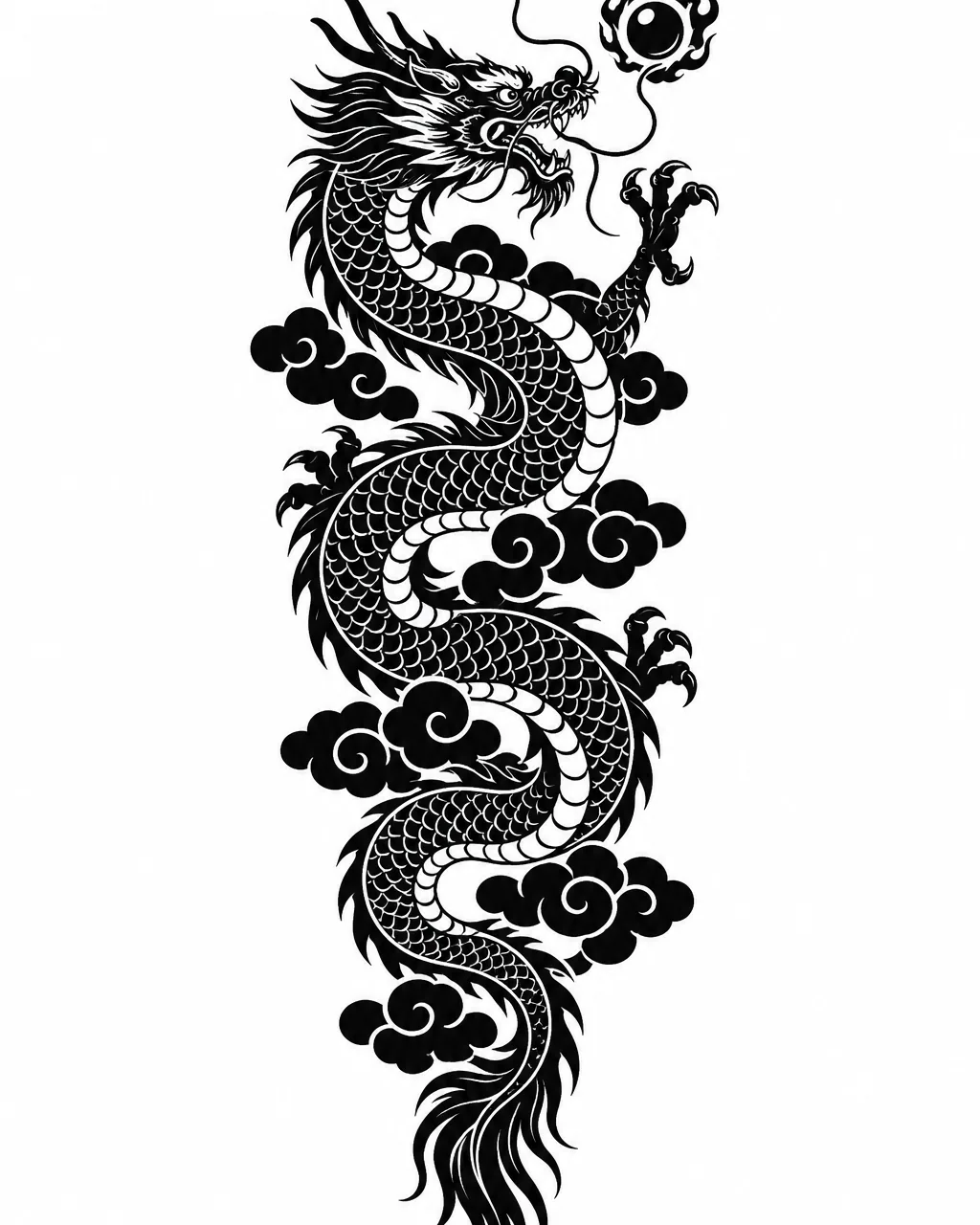
No.04 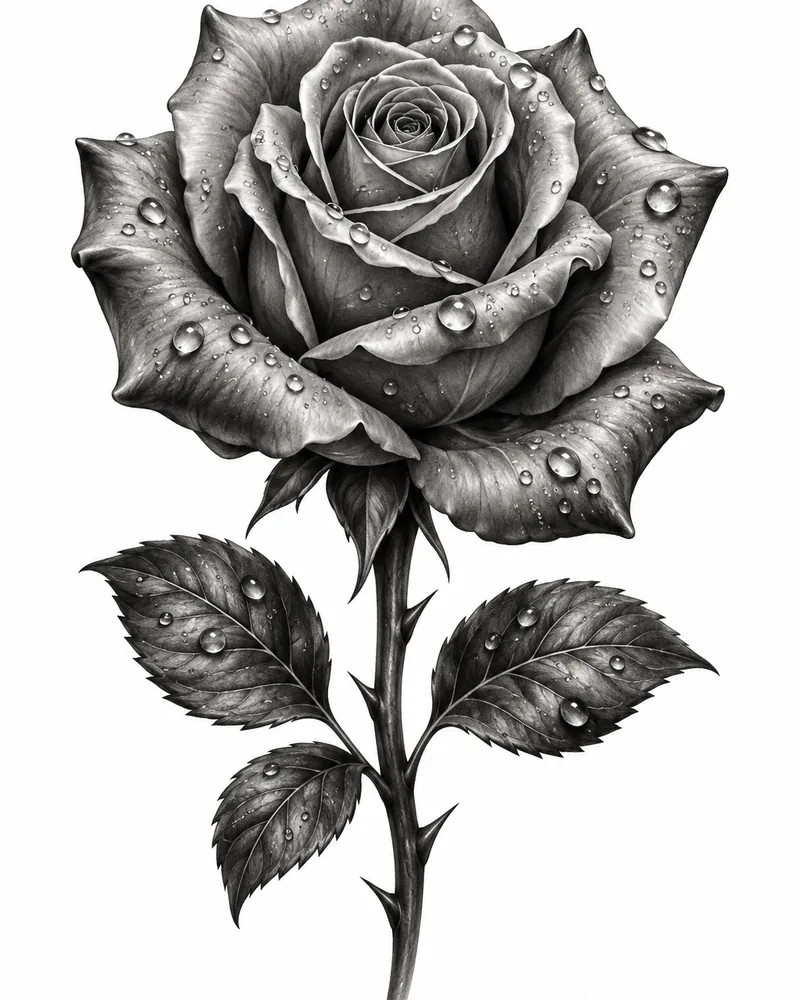
No.05 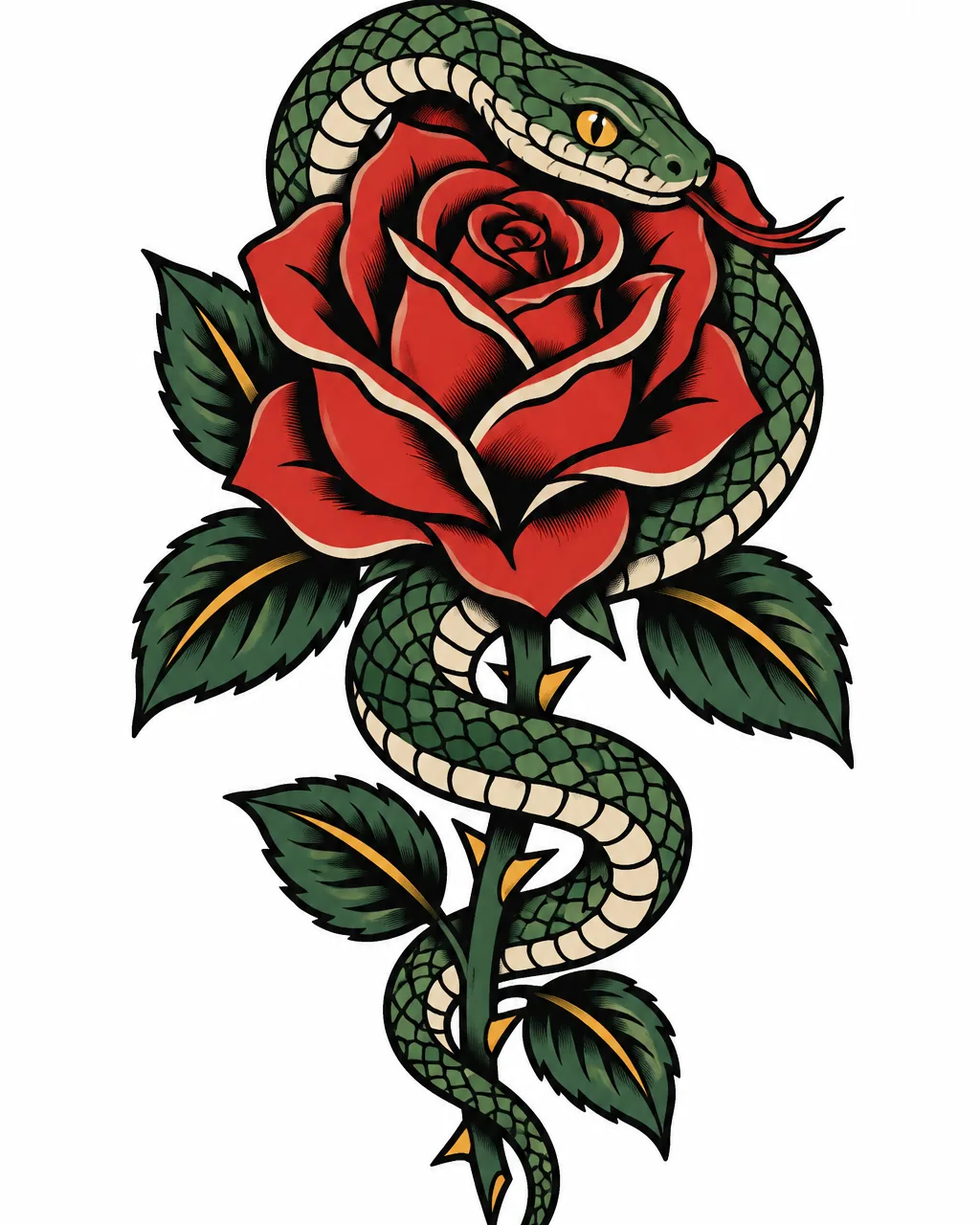
No.06 
No.07 
No.08 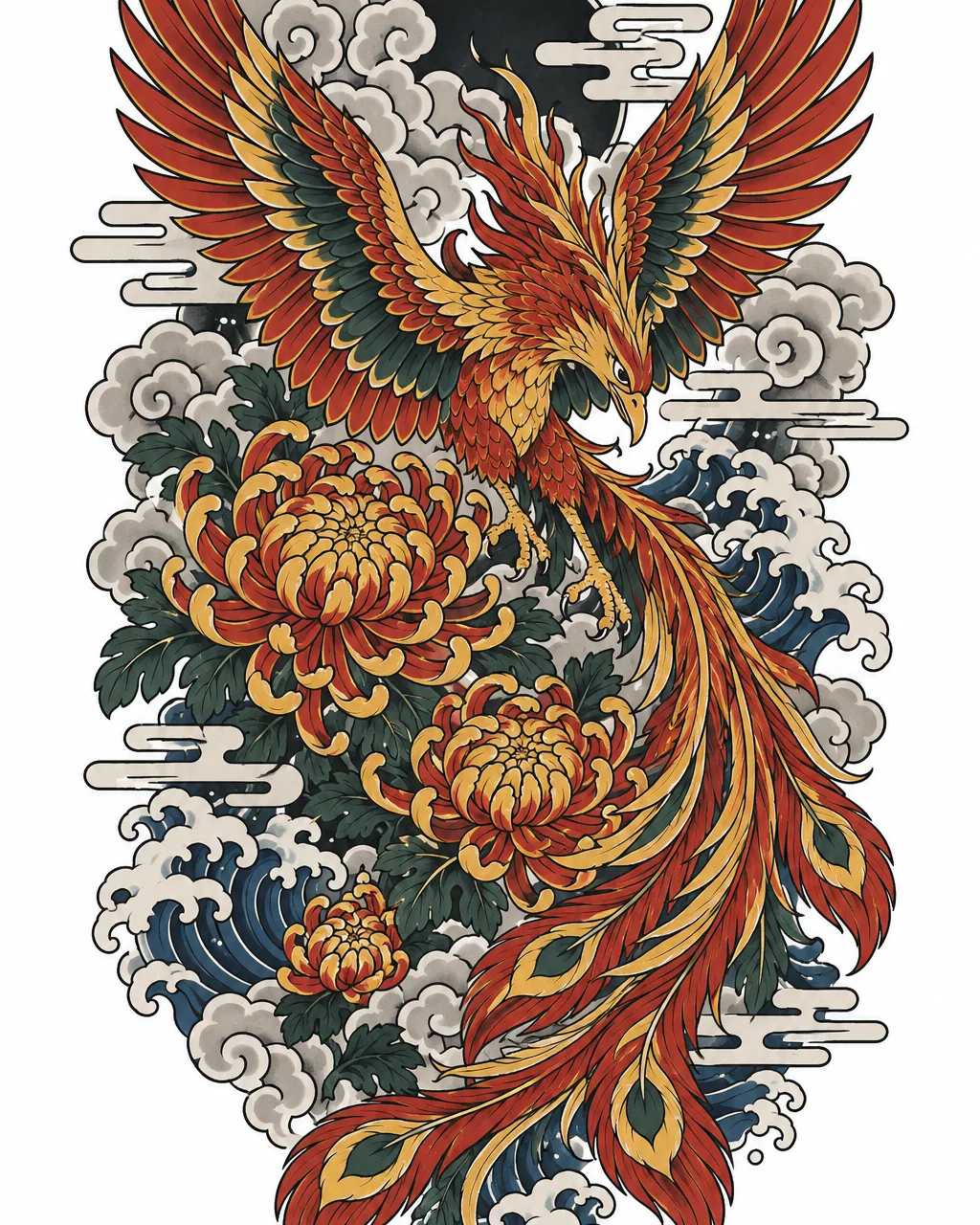
No.09 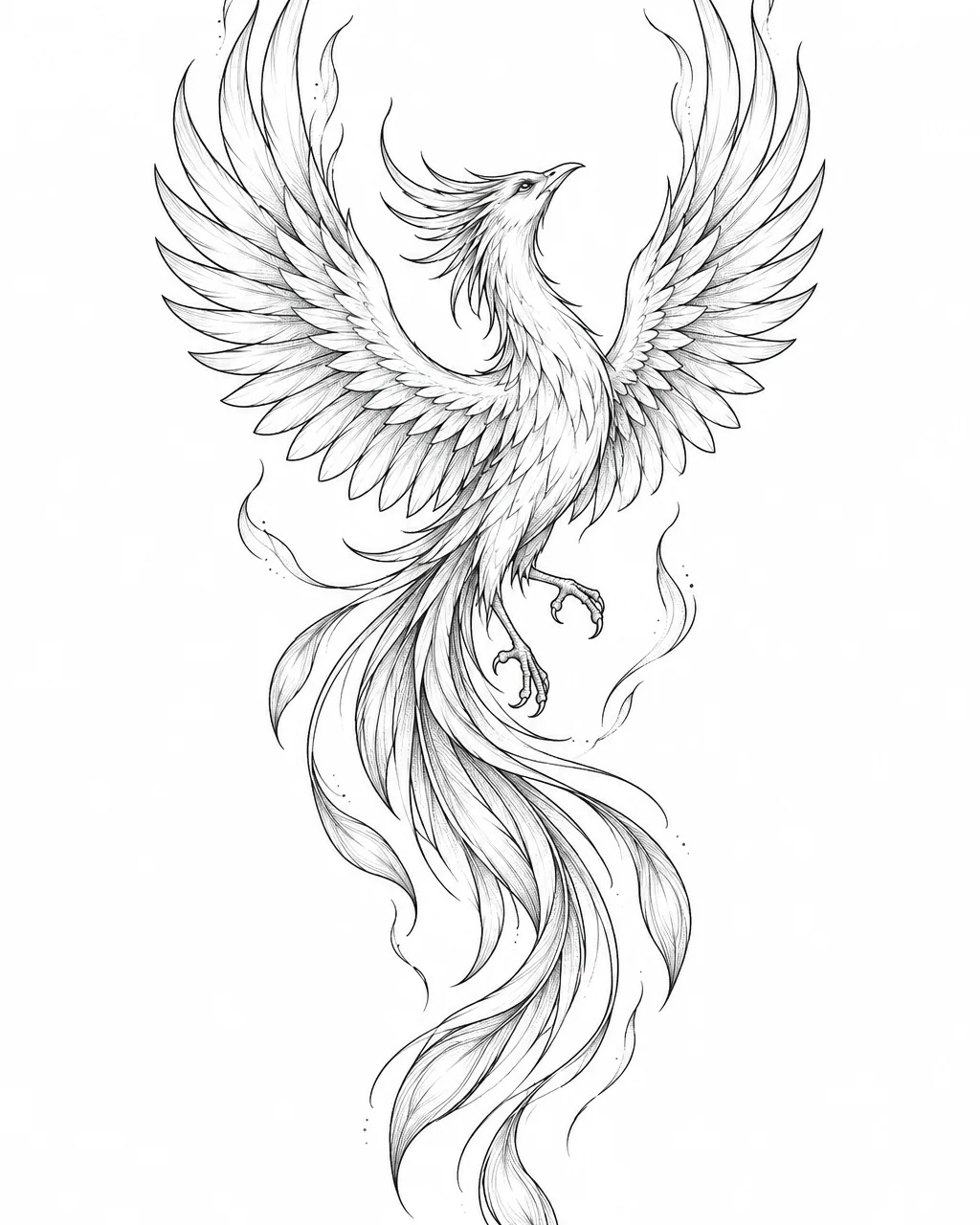
No.10 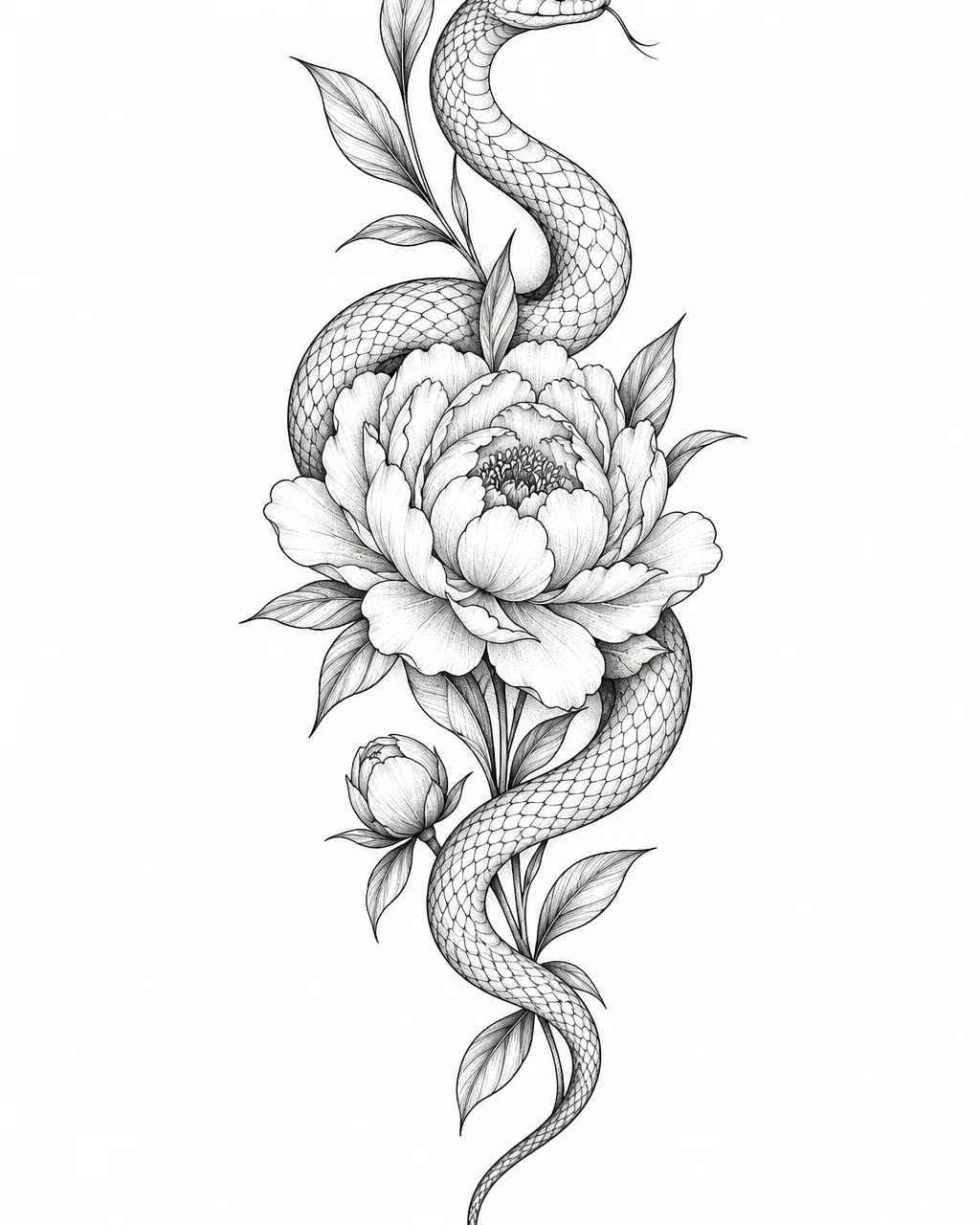
No.11 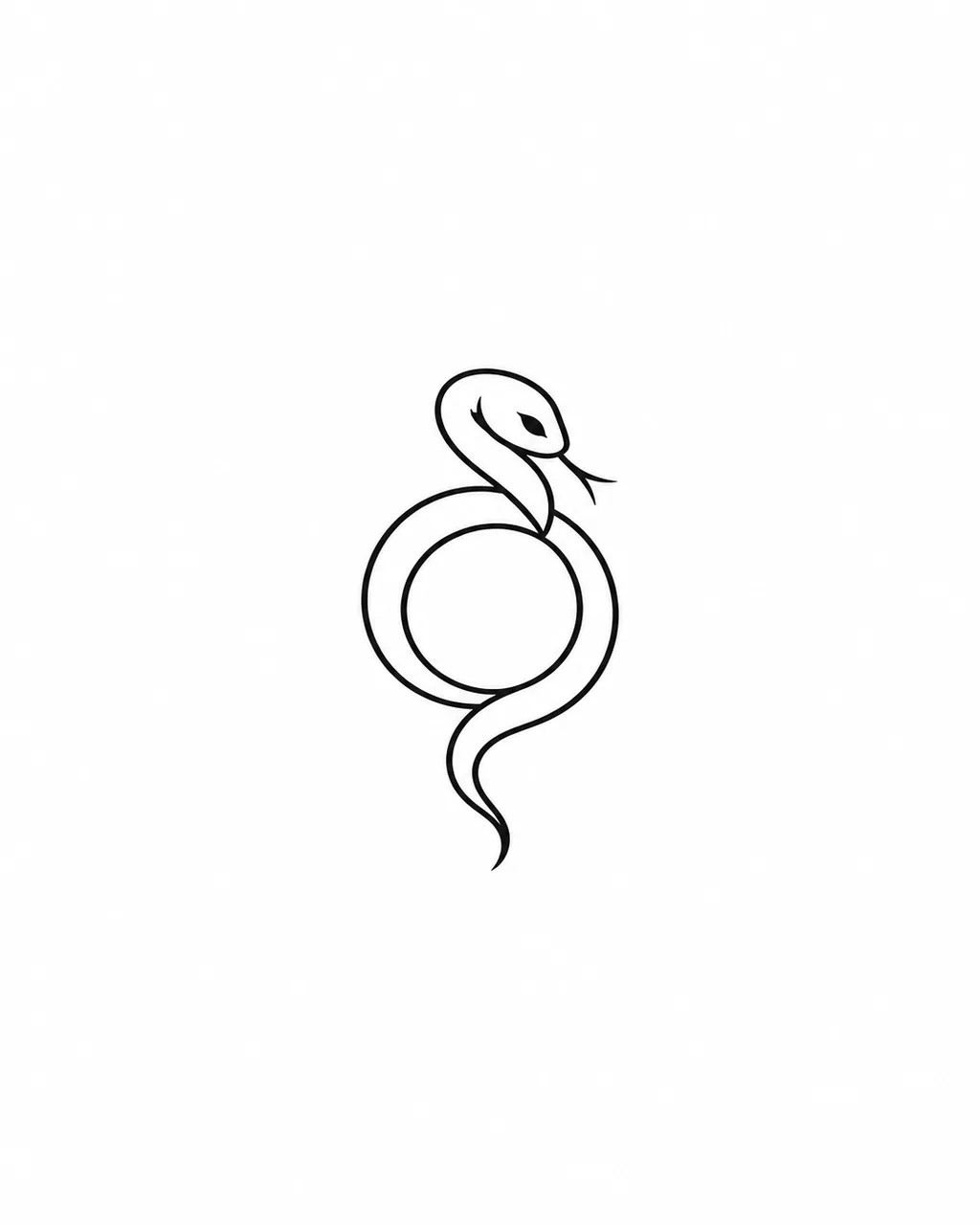
No.12 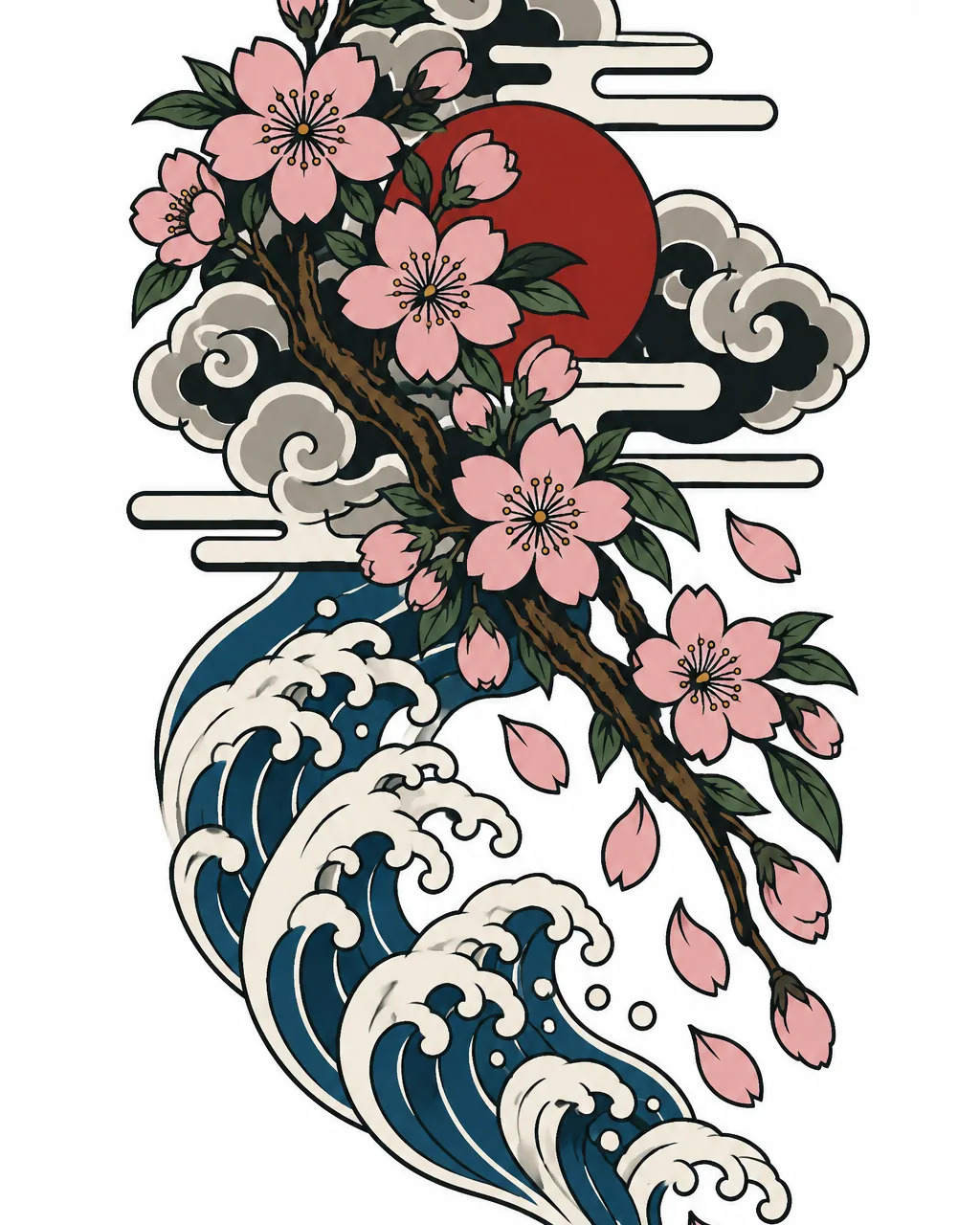
No.13 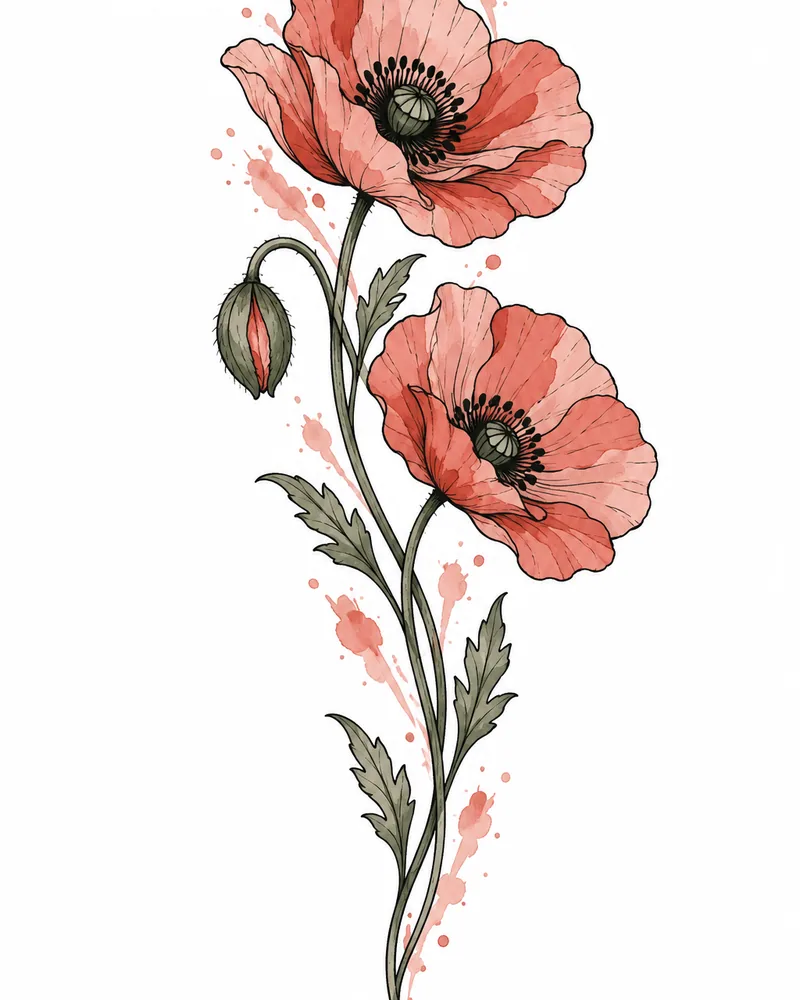
No.14 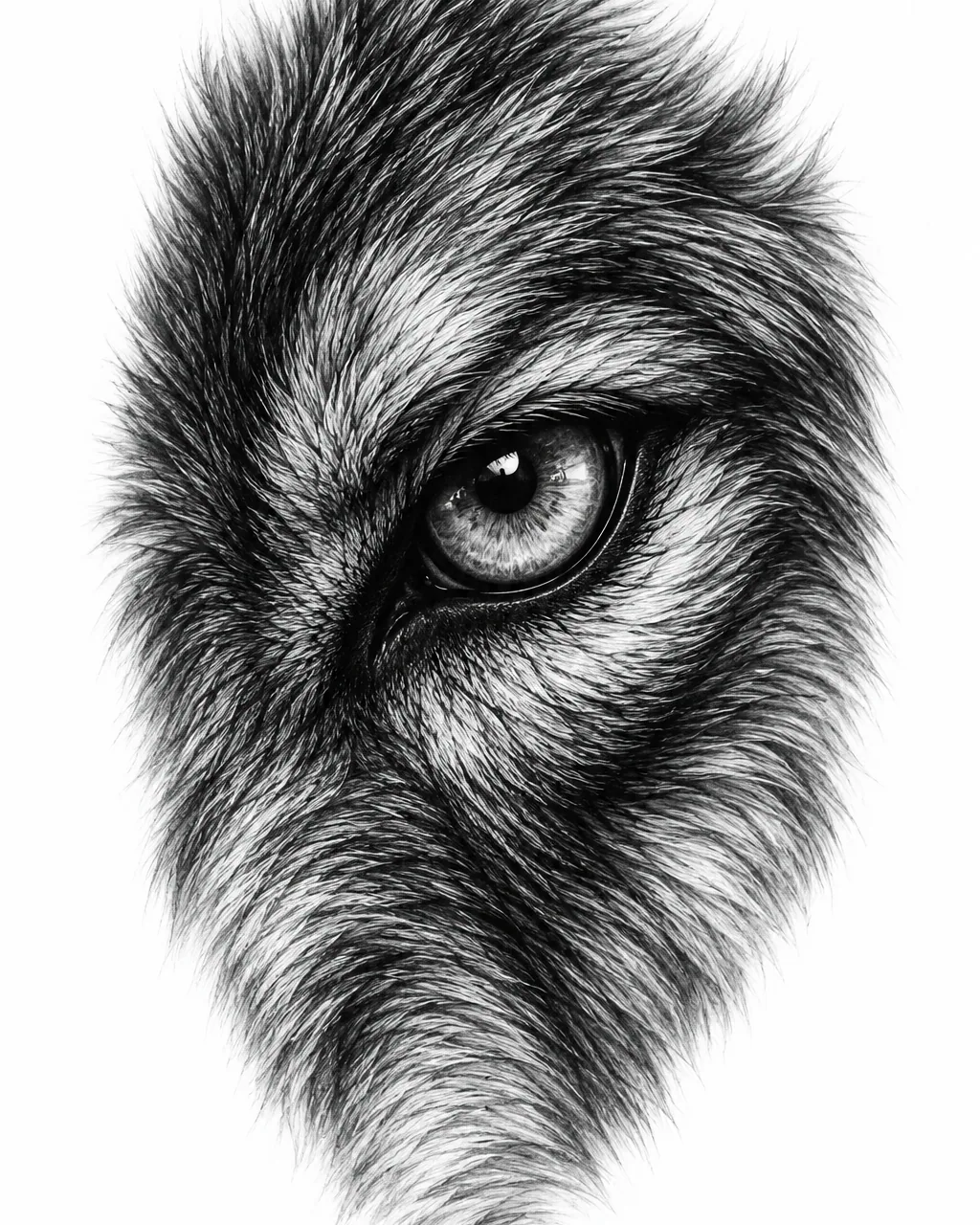
No.15 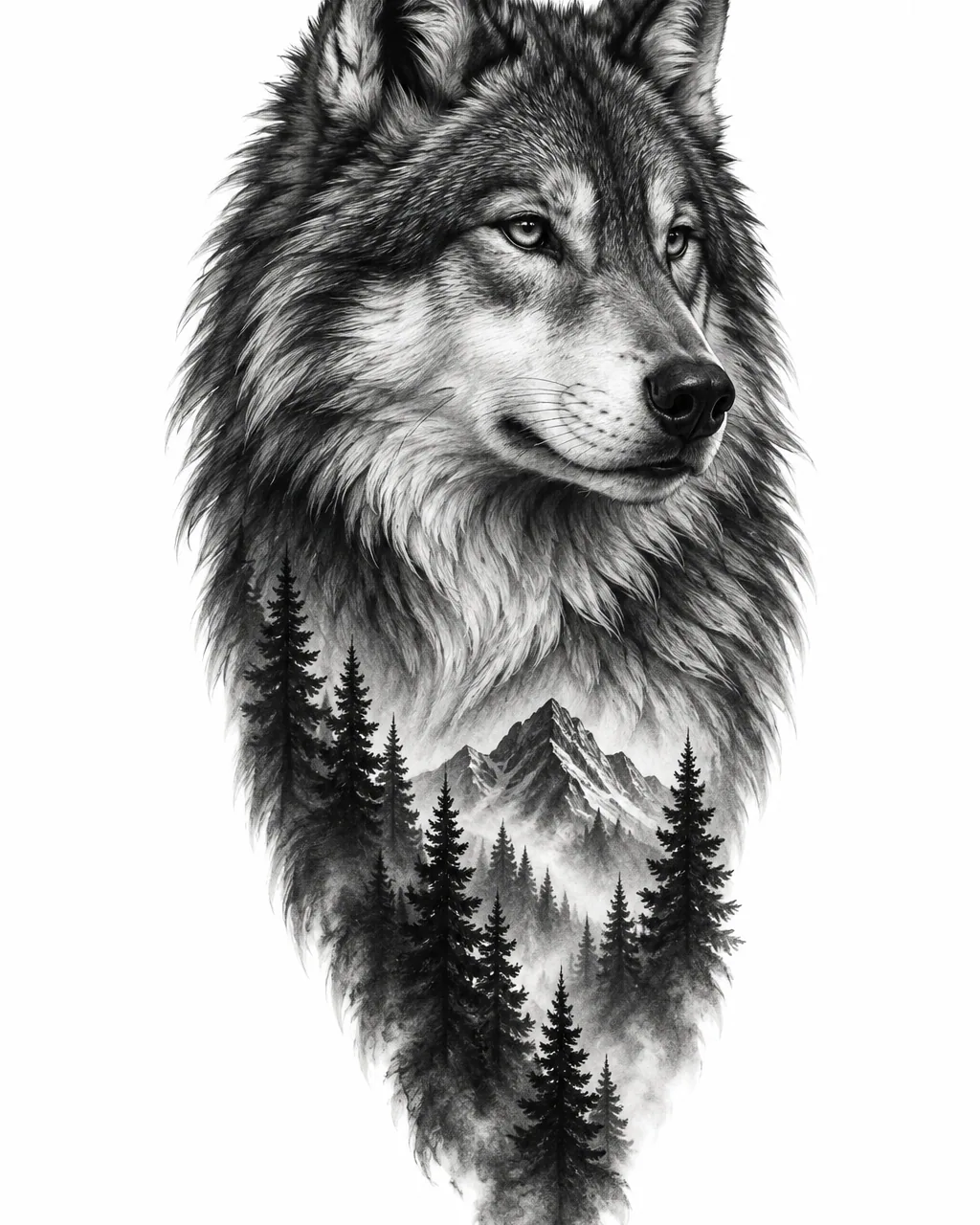
No.16 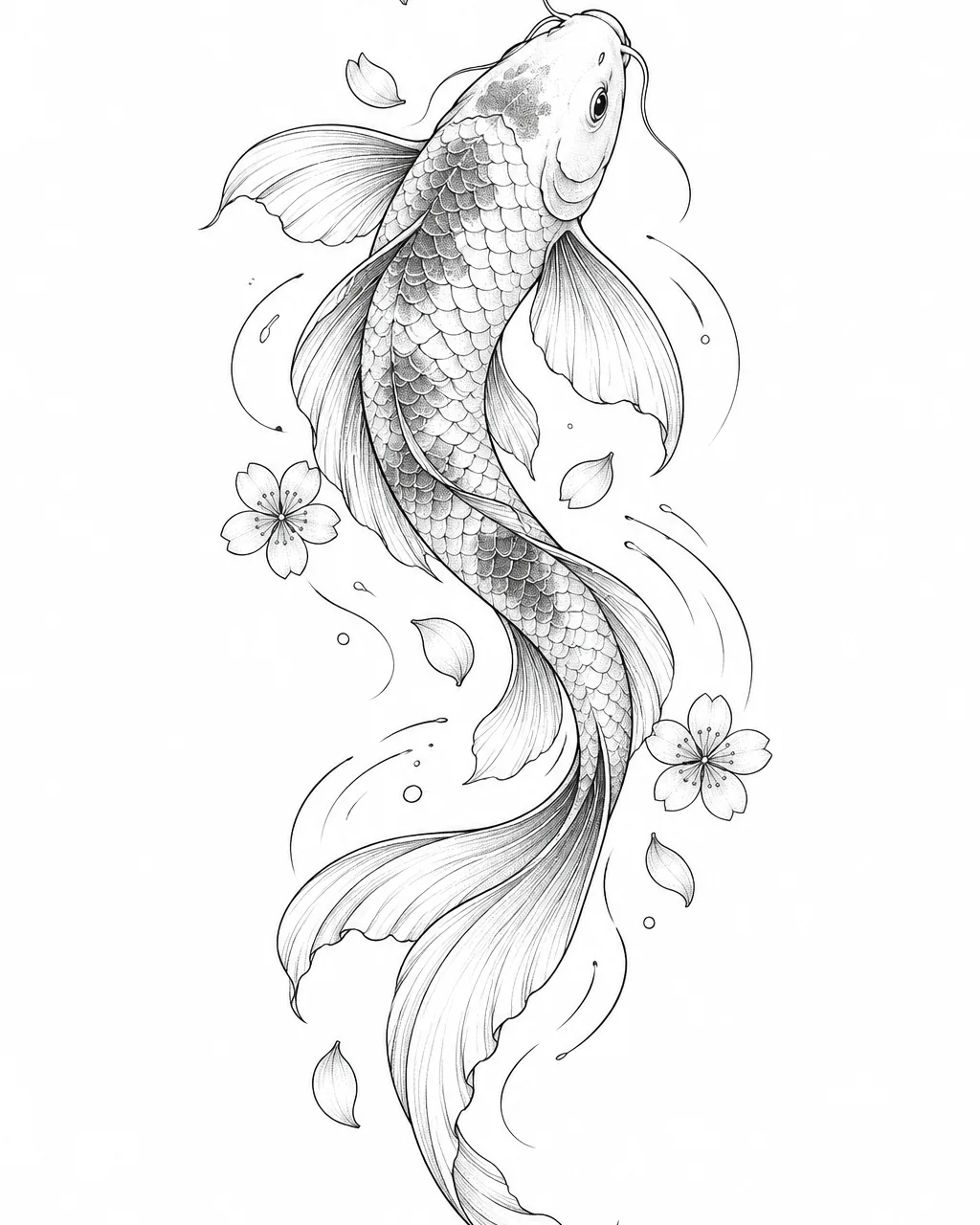
No.17 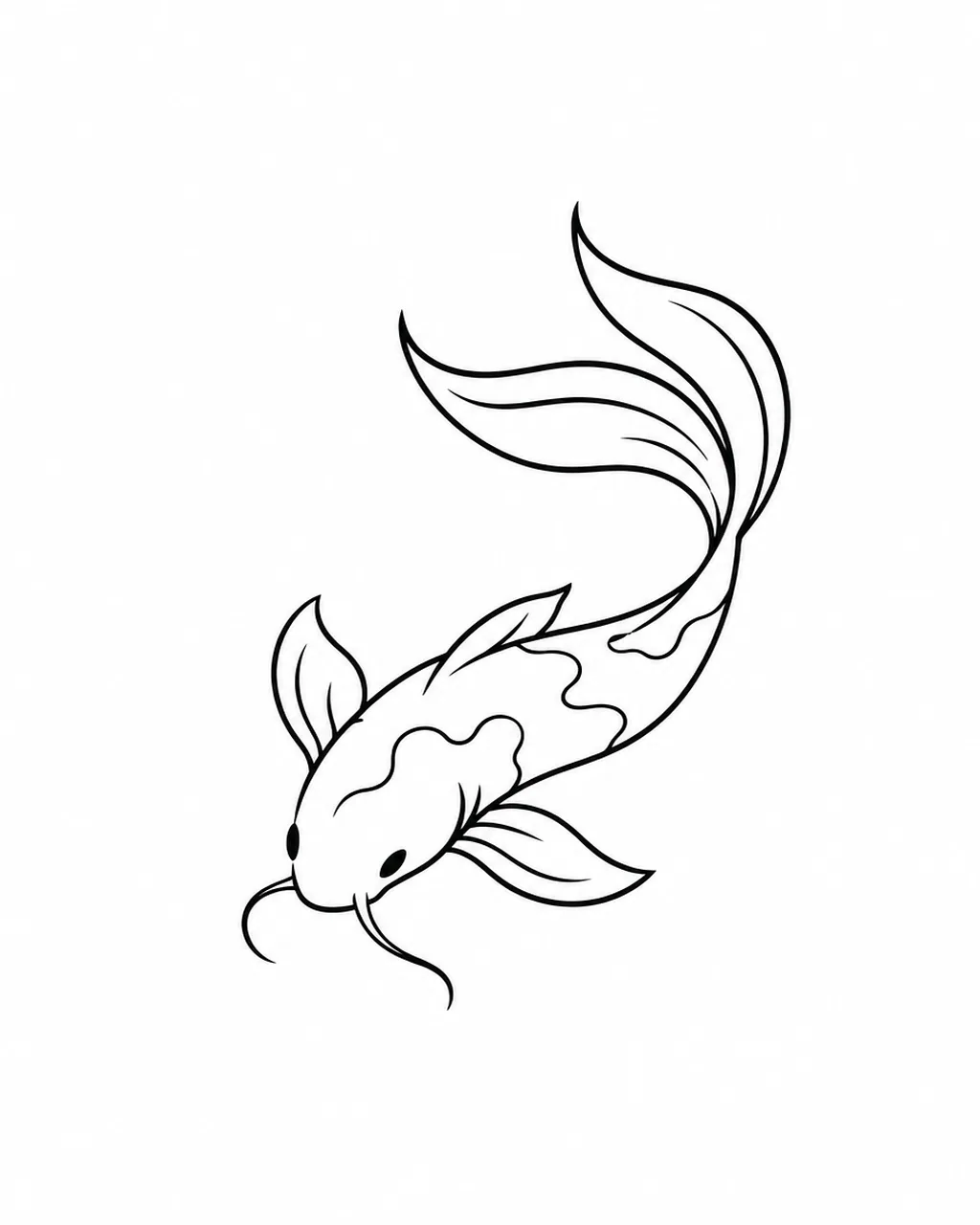
No.18 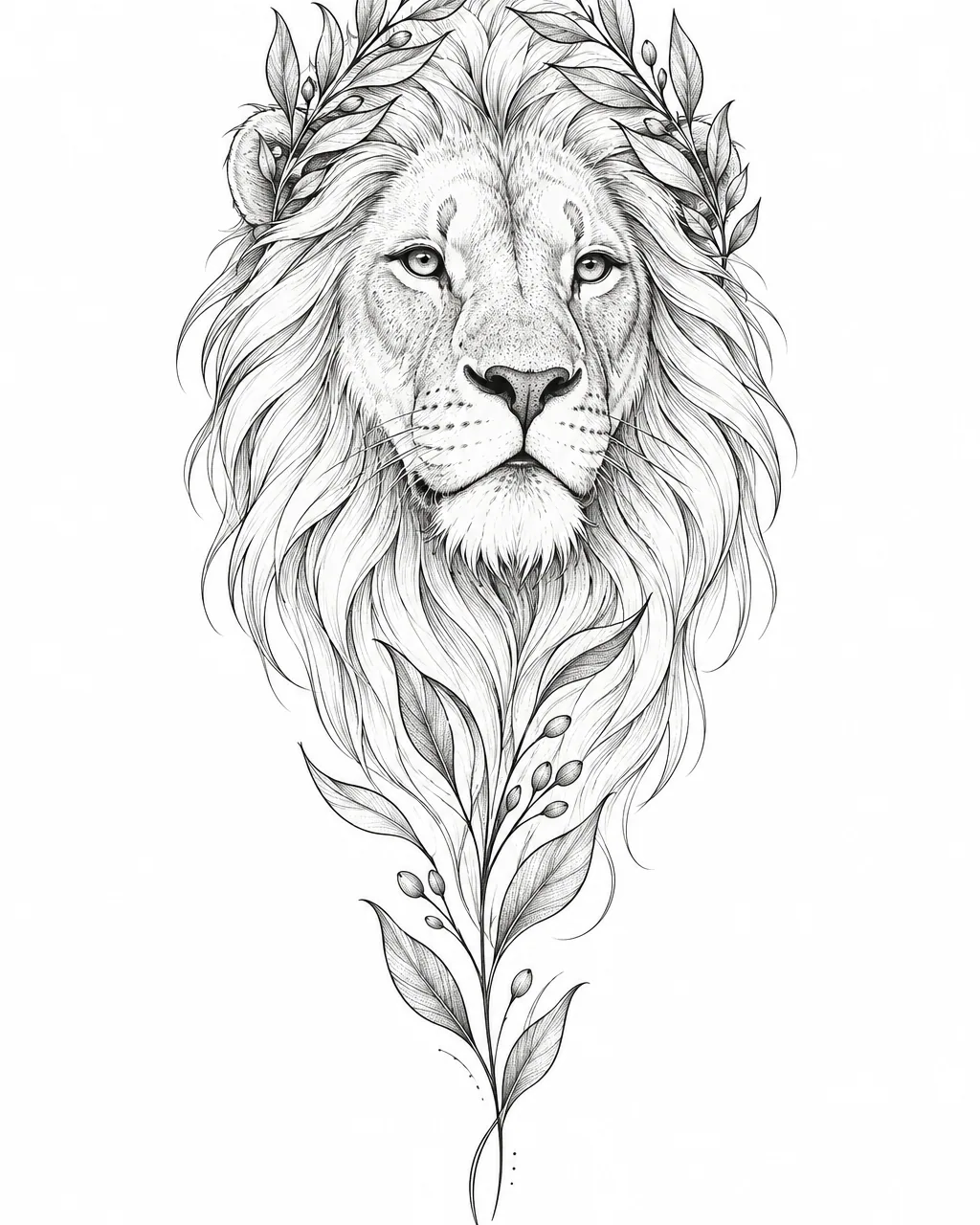
No.19 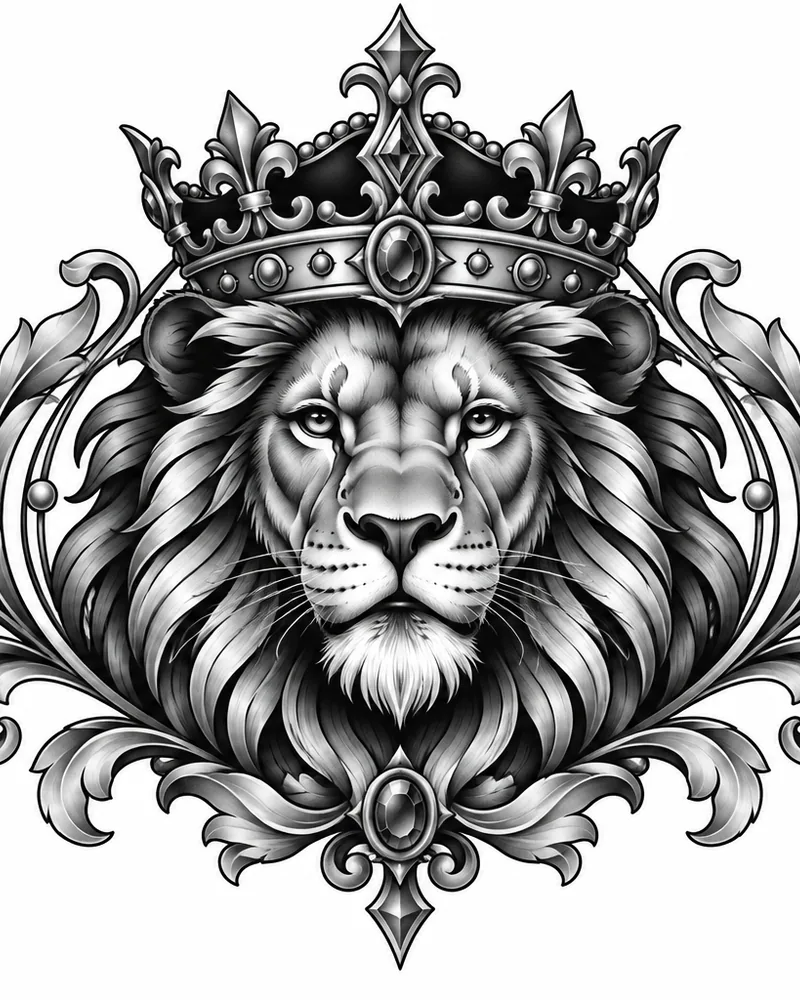
No.20 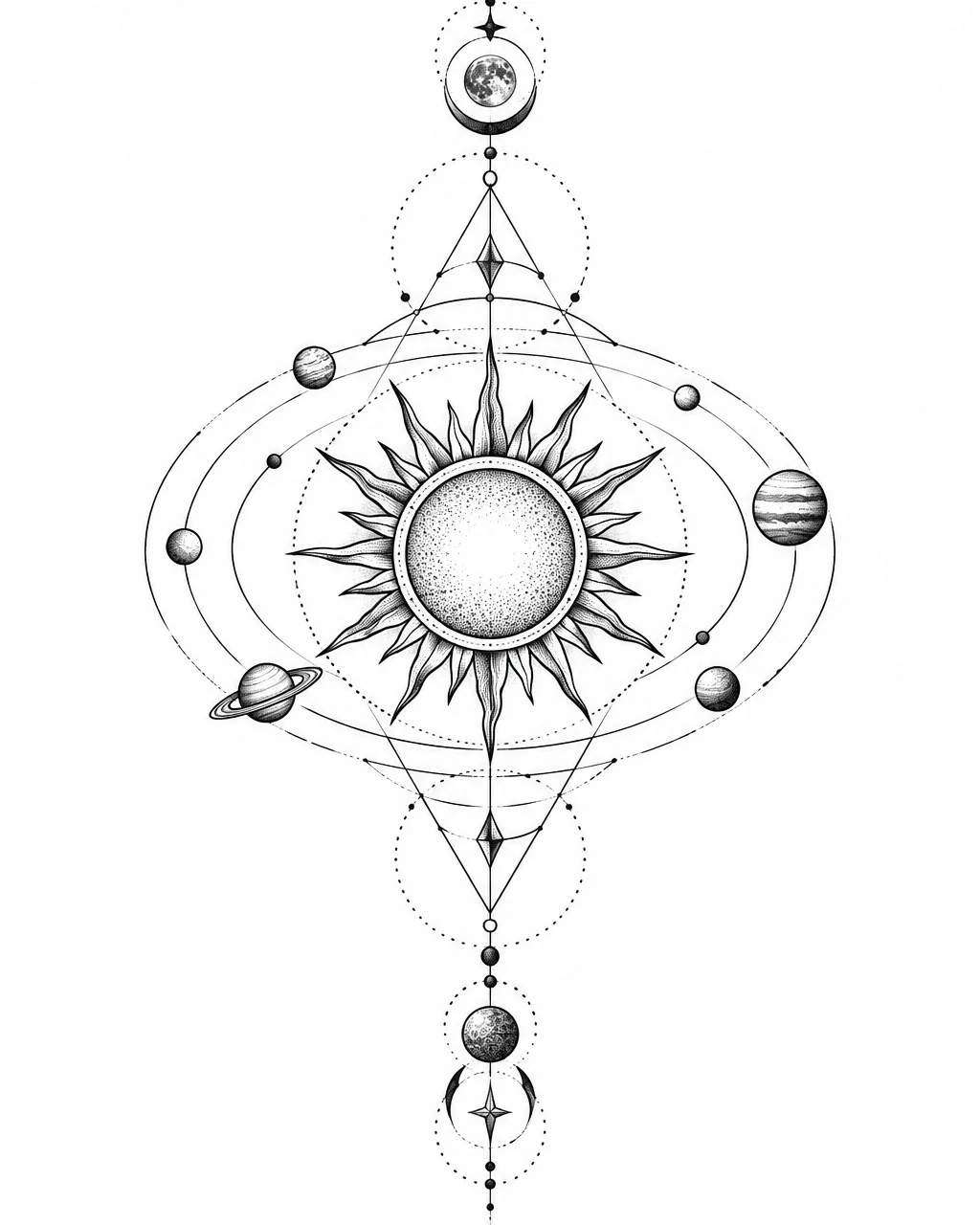
No.21 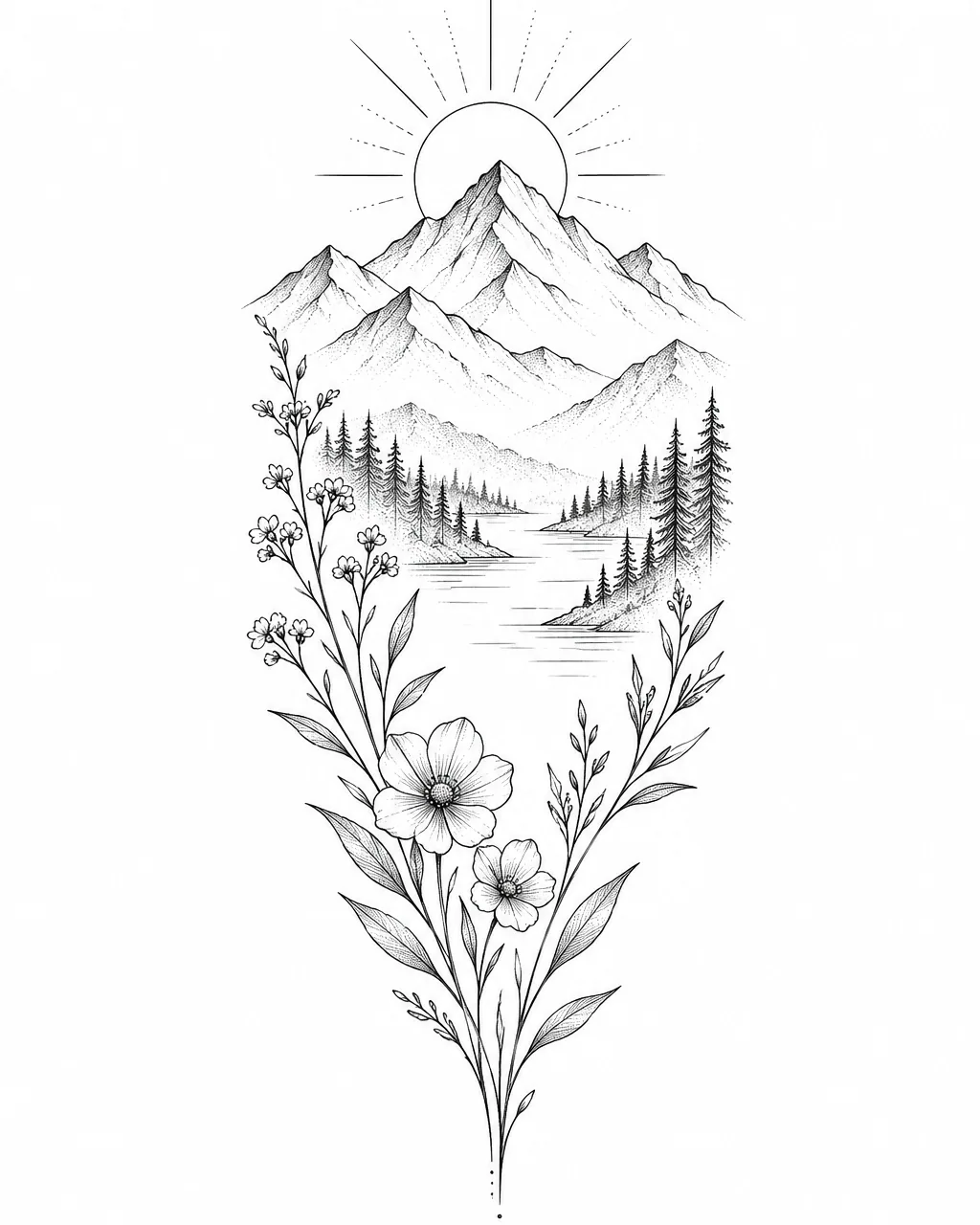
No.22 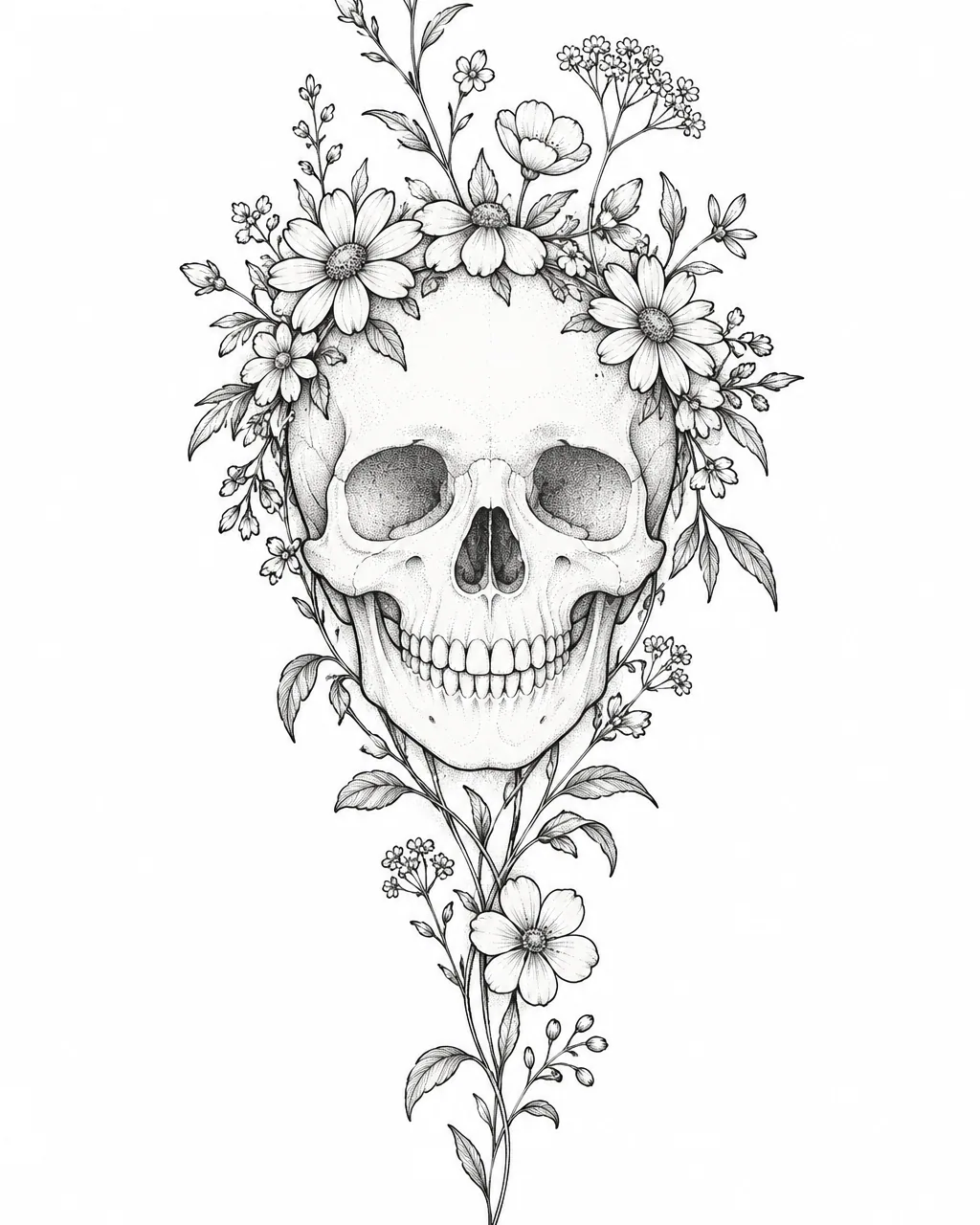
No.23 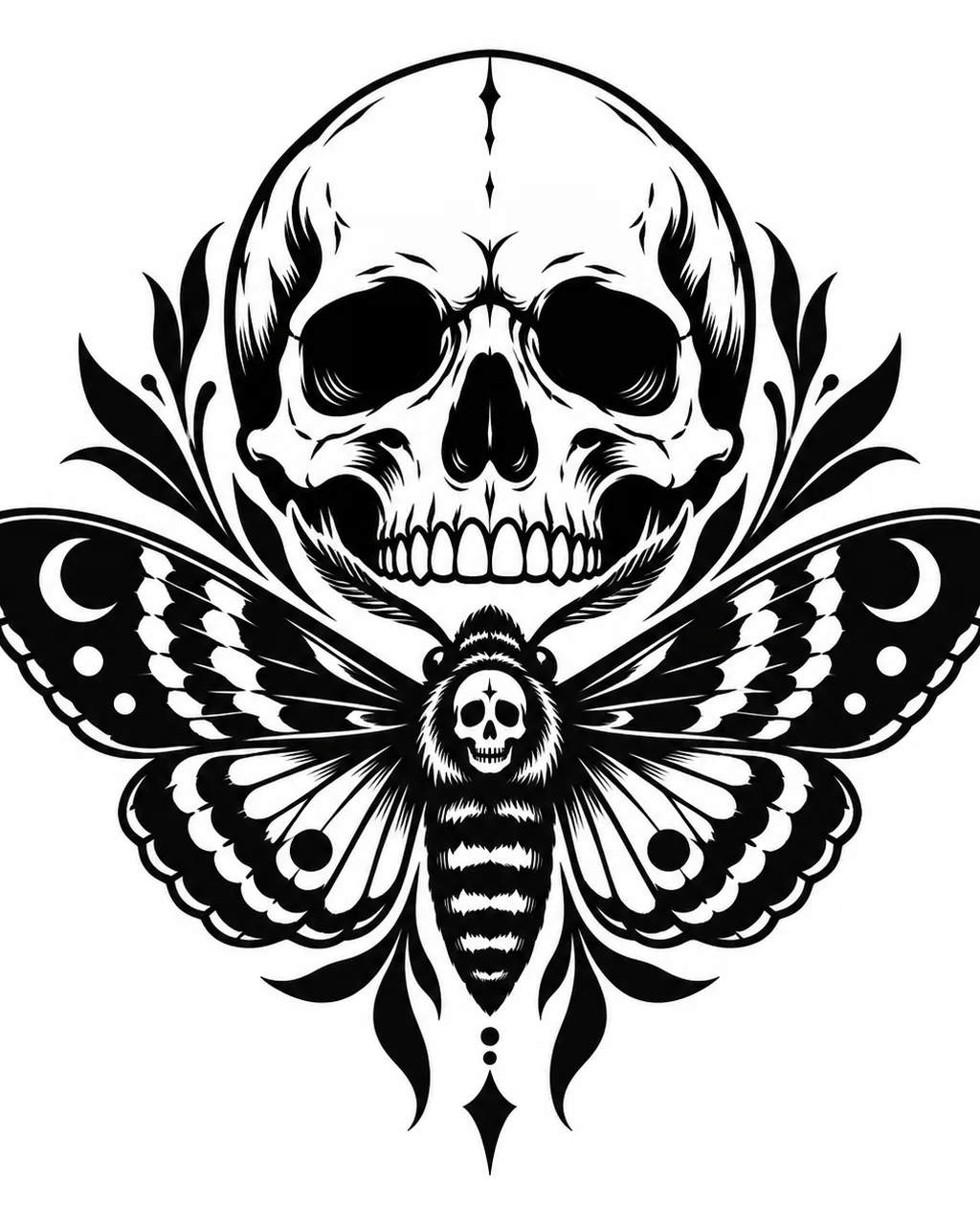
No.24 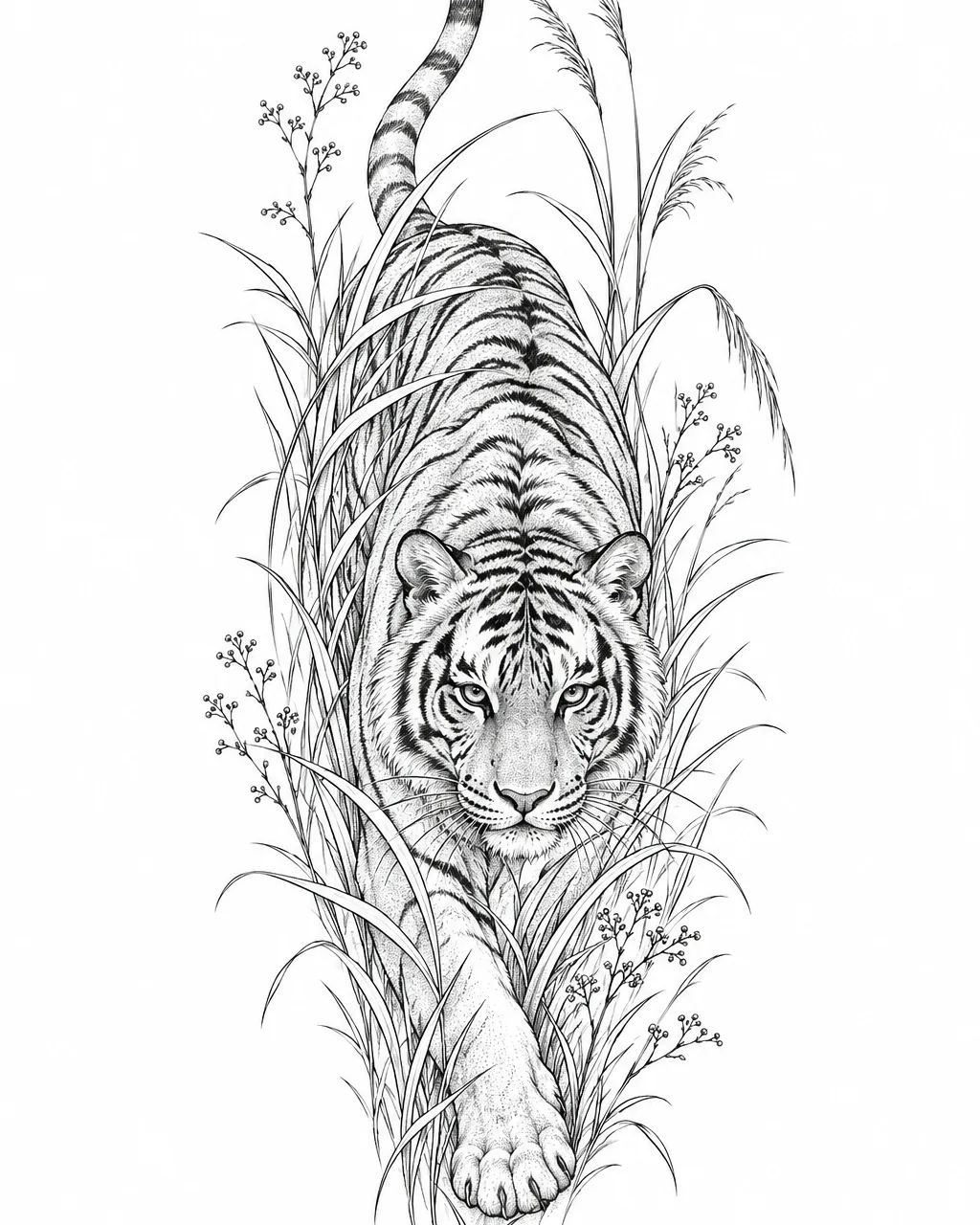
No.25 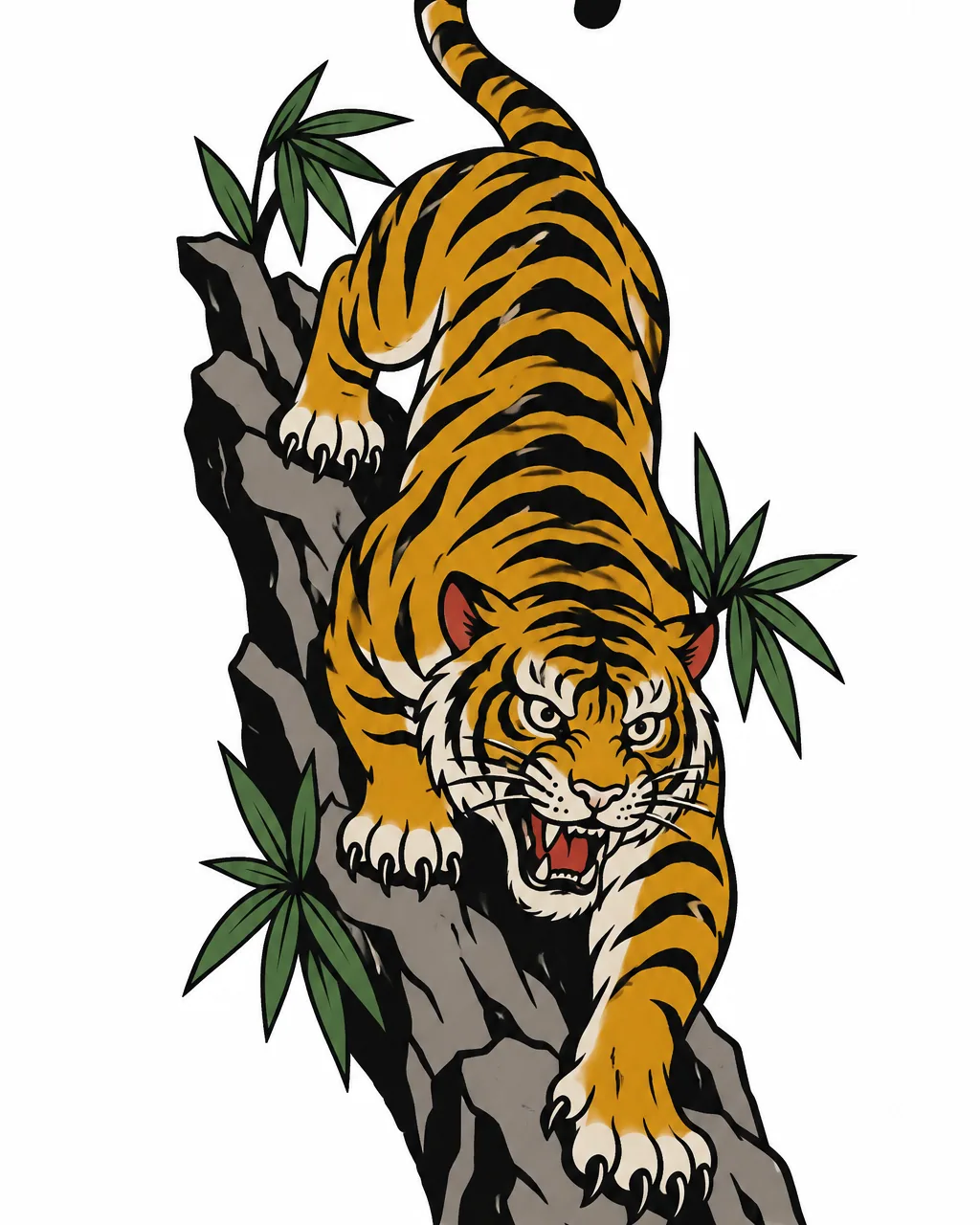
No.26 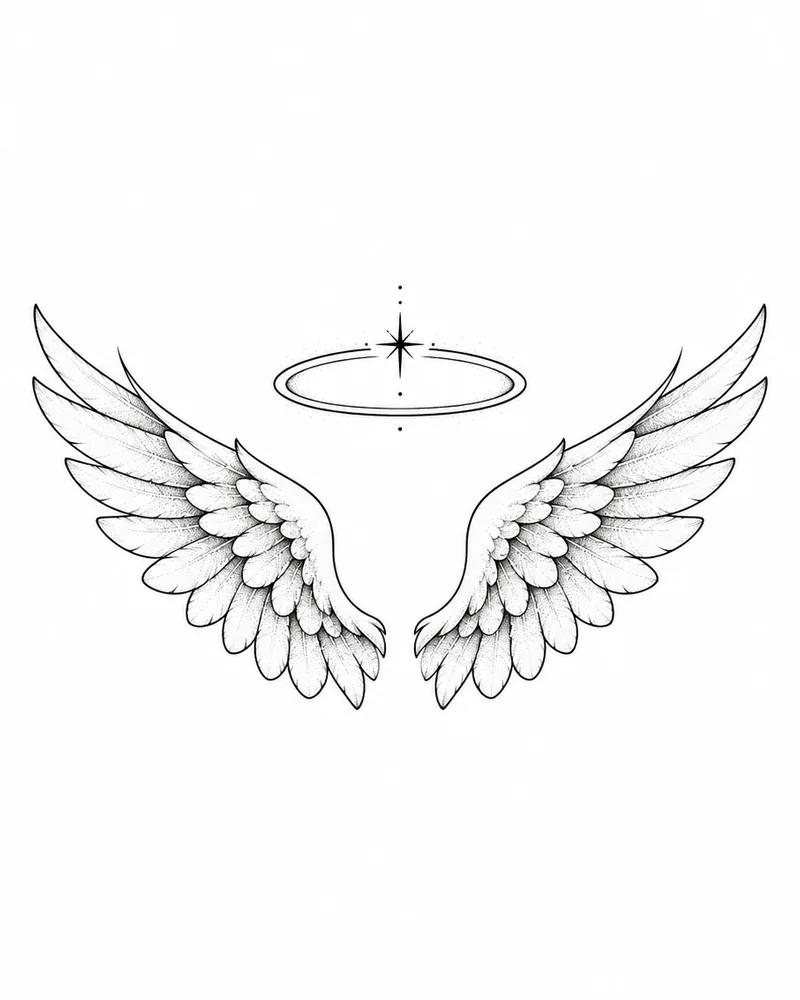
No.27 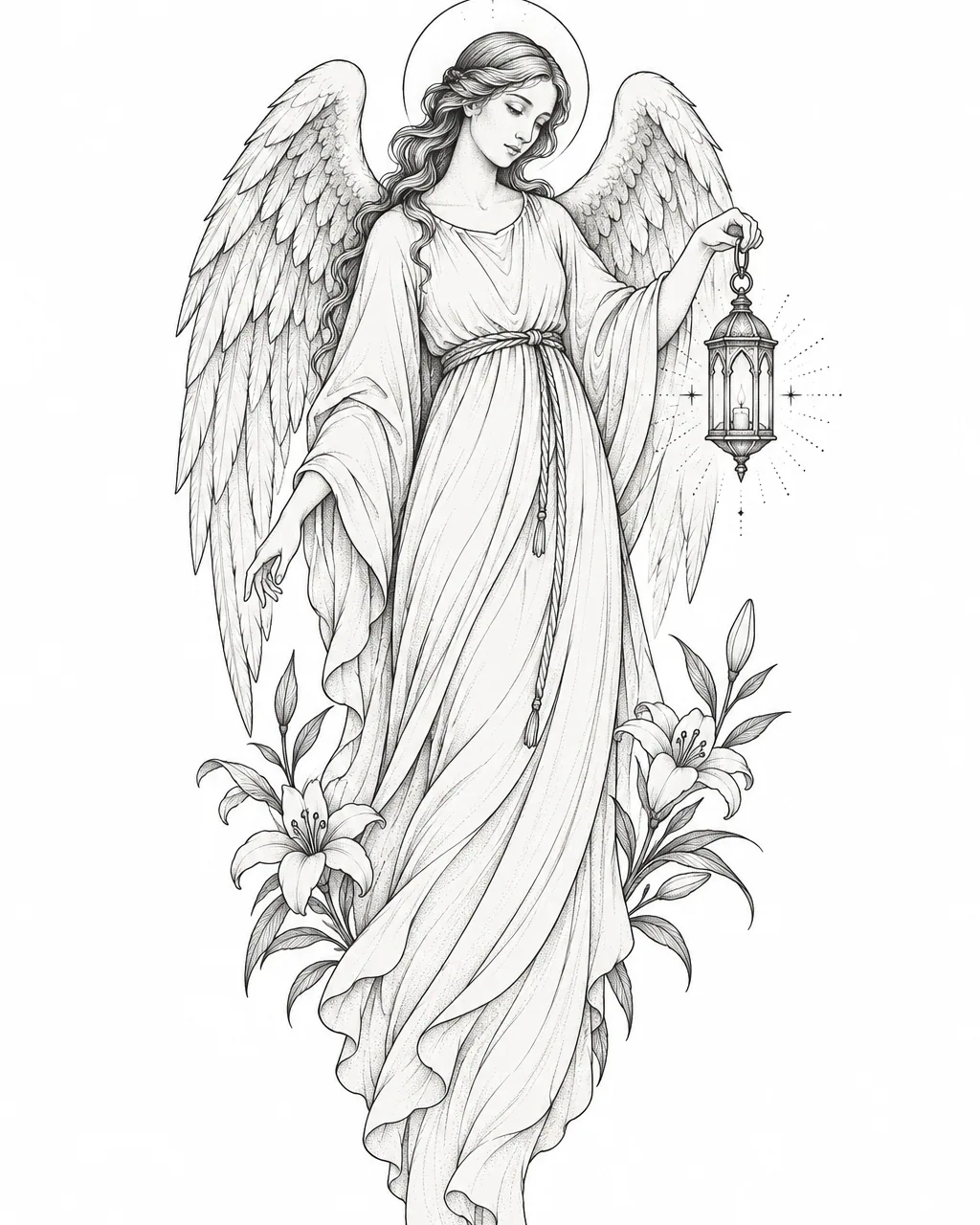
No.28 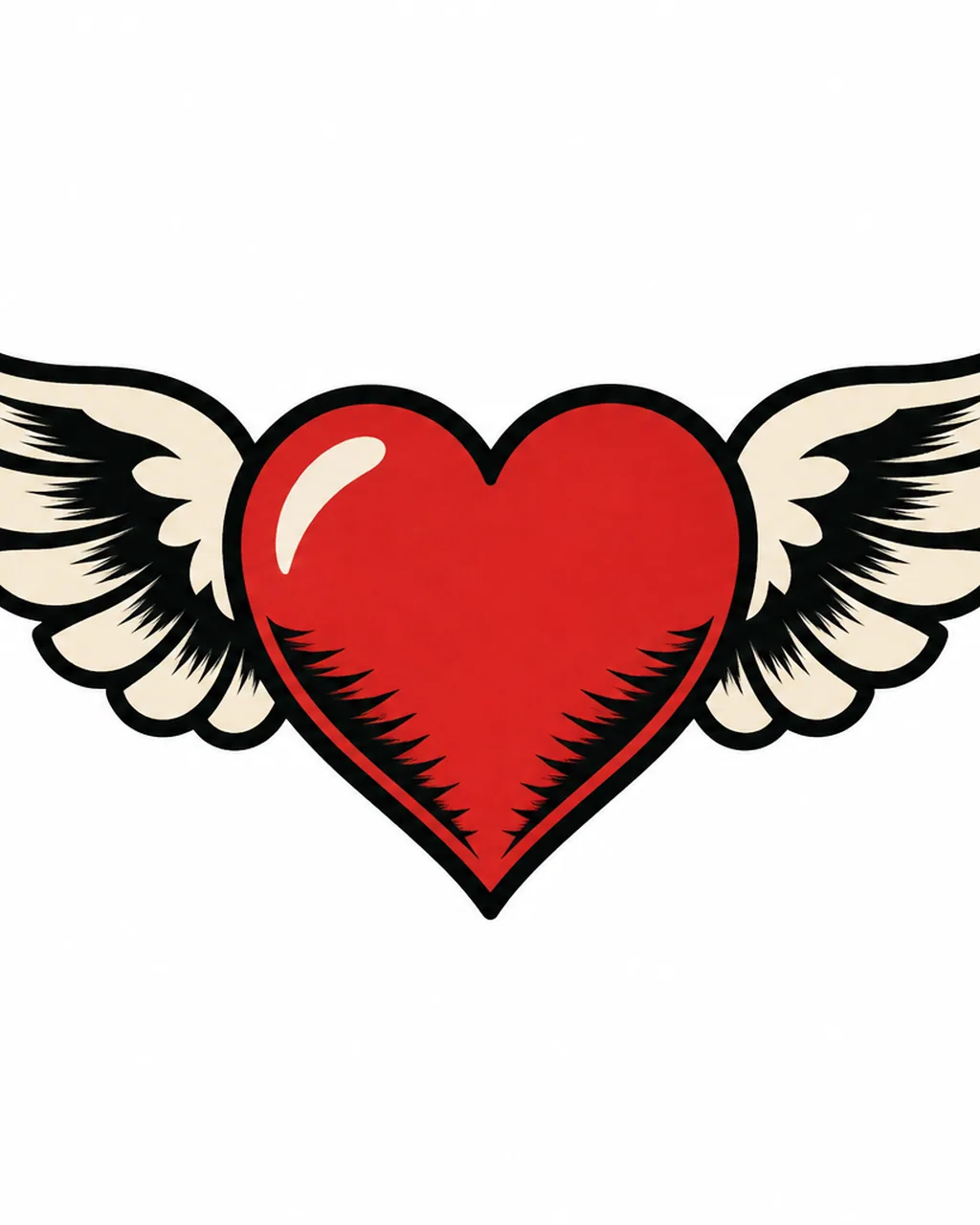
No.29 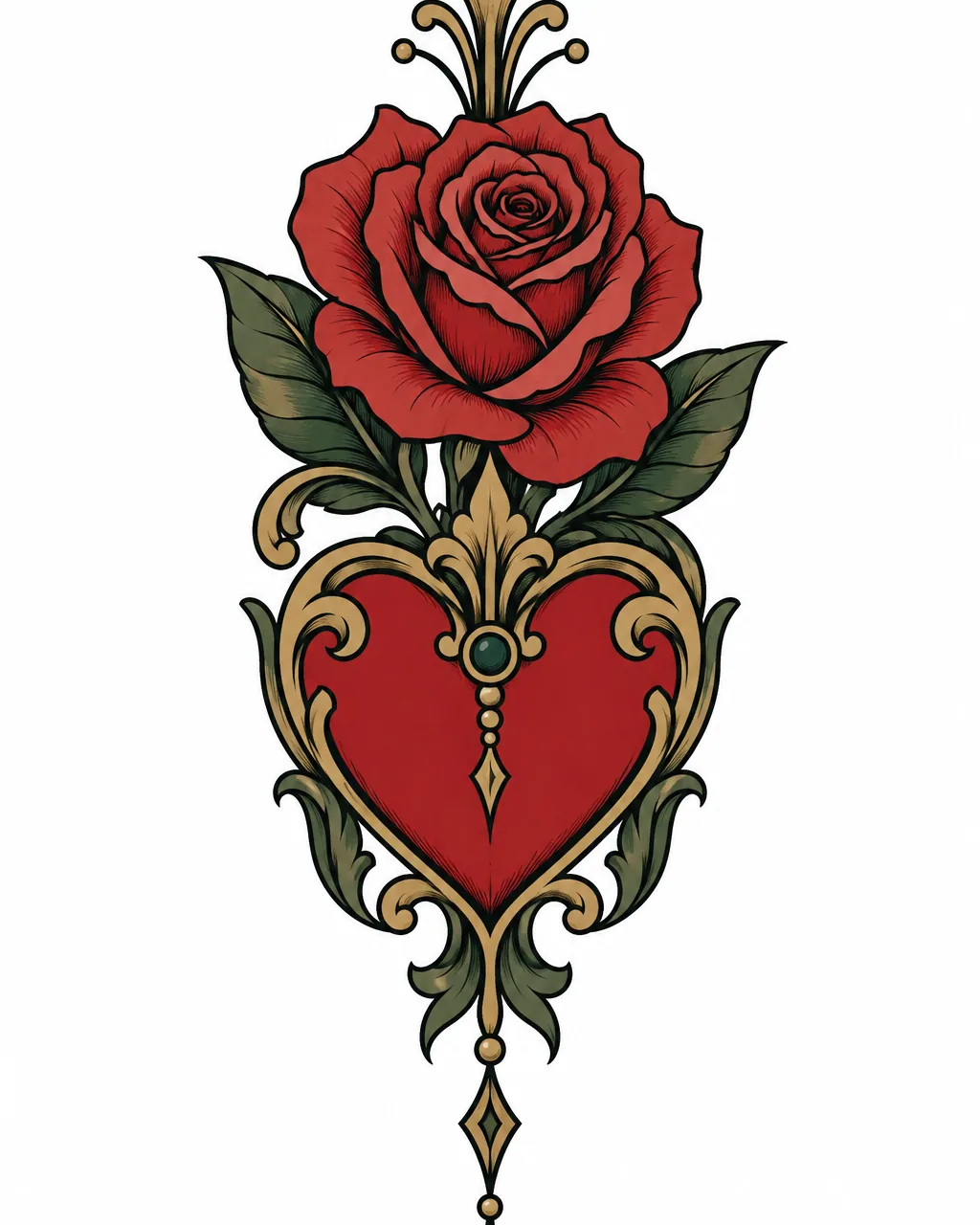
No.30 
No.31 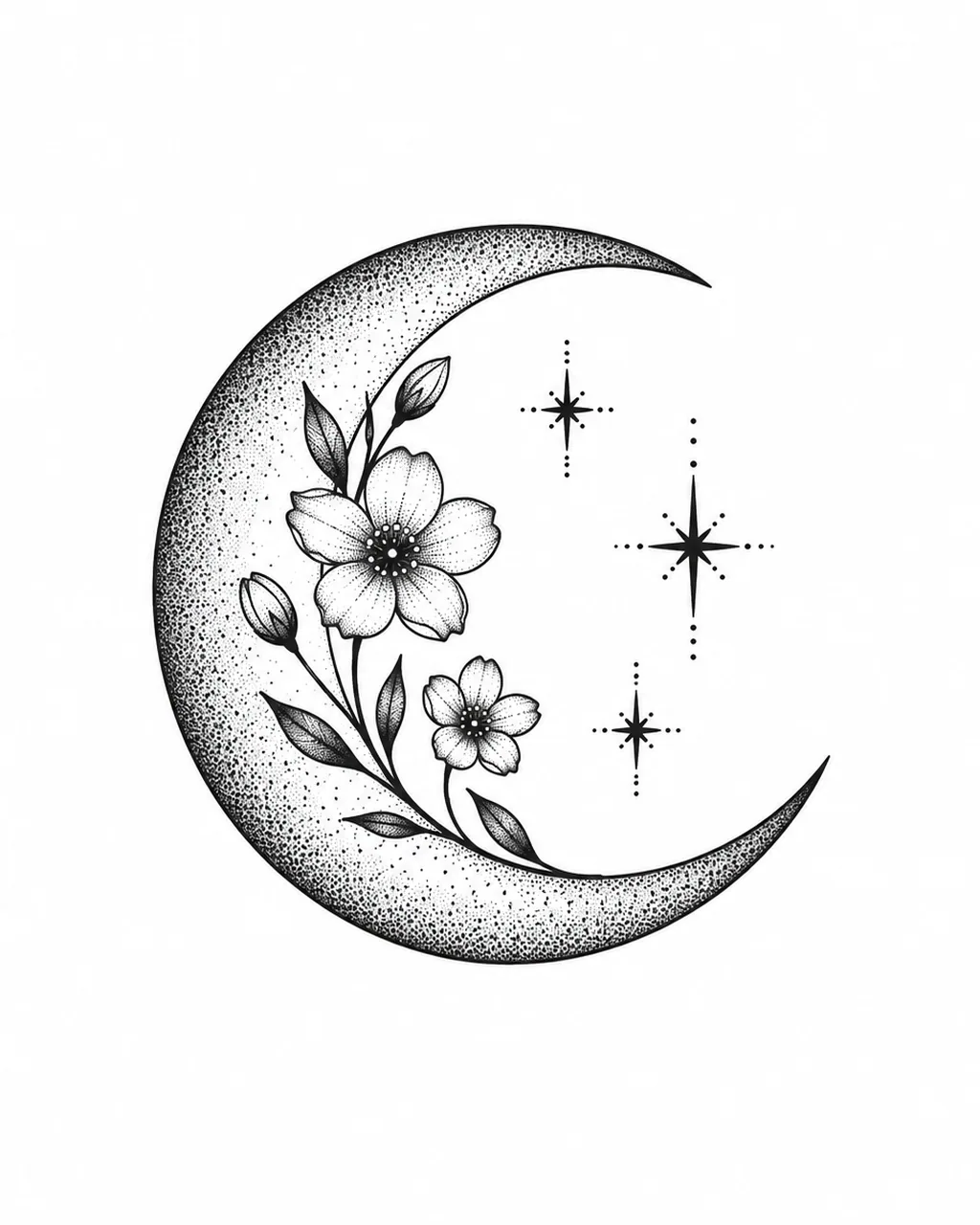
No.32
No. 01
What is tattoo flash?
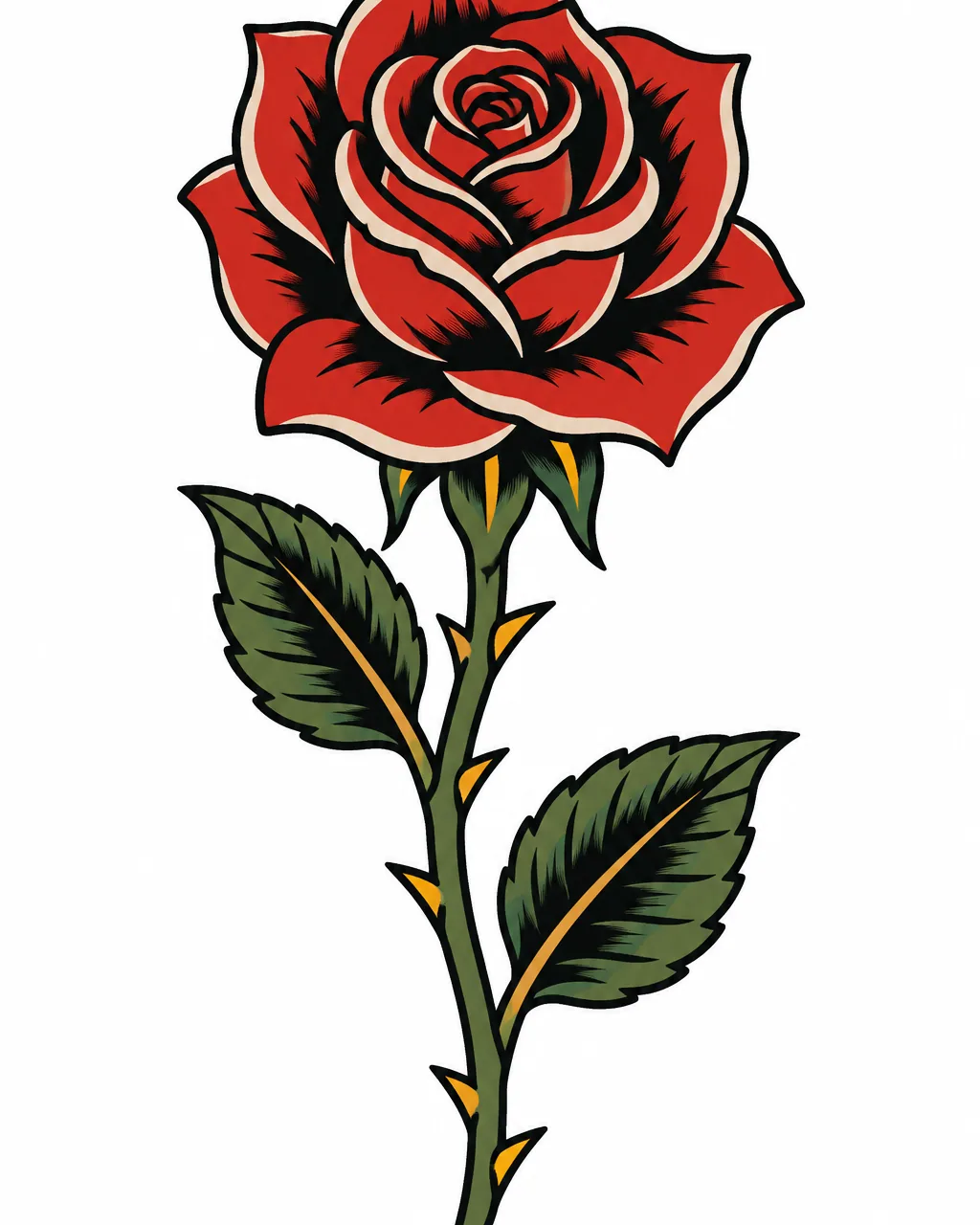
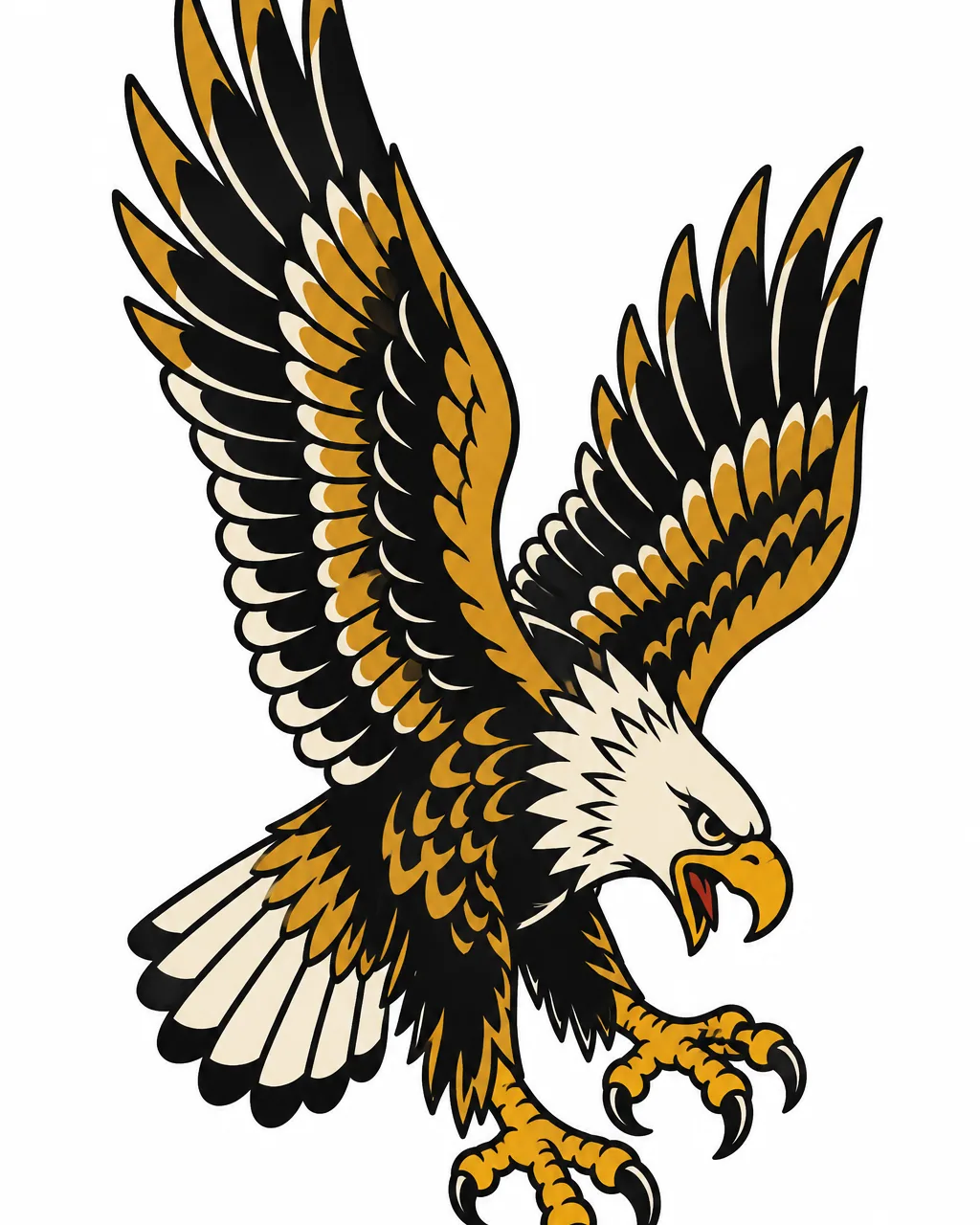
Flash is a set of finished tattoo designs that an artist draws before anyone asks for them. By the early 1900s, tattoo shops – many of them in port cities and near military bases – covered their walls with flash sheets: designs outlined in ink, colored with watercolor and often priced right beside each one. Sheets were sold by mail order and traded between tattooers, which is why the same eagles, anchors, swallows, roses, hearts and daggers turned up in shops across the country.
Flash made tattooing fast. A walk-in customer could pick a design off the wall, the tattooer had a stencil ready, and the tattoo was often finished in a single short visit. The name’s origin is uncertain – popular explanations point to the designs’ eye-catching, flashy look or to how quickly they could be tattooed.
Flash is still everywhere today. Many artists post sheets online and mark each design as available or claimed. Repeatable flash can be tattooed many times, while one-off designs are tattooed only once. Flash days – Friday the 13th is a well-known example – offer a sheet of small designs at a set price, usually first come, first served.
No. 02
Tattoo drawing and sketch basics
A good tattoo drawing is made for skin, not paper. Skin stretches and ages, and ink settles and spreads slightly over the years, so the same few rules show up in nearly every strong design.
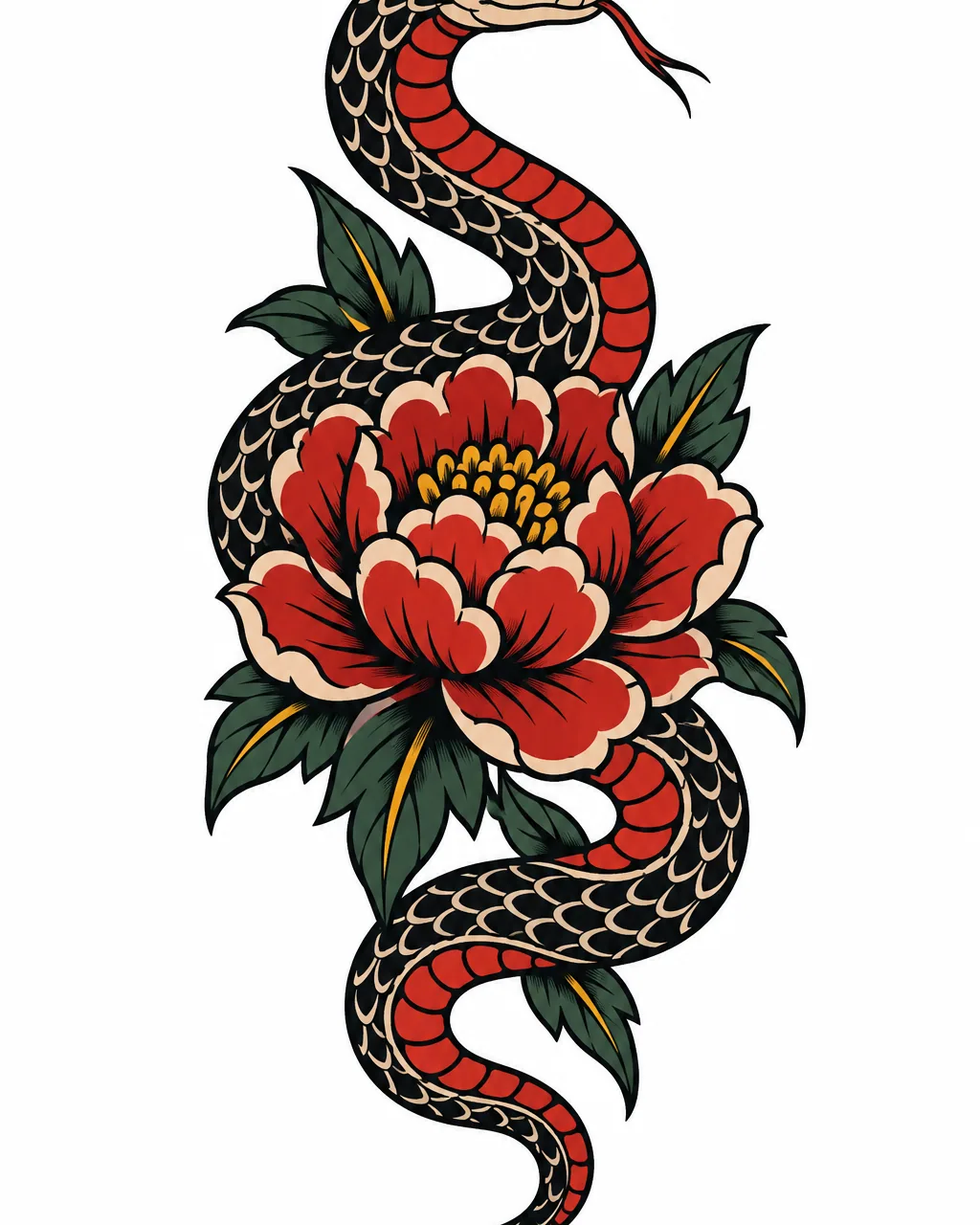
Line weight comes first. A confident outline holds the design together as it ages, which is why most tattoo sketches pair a bold outer line with lighter detail inside. Lines that run too close together can blur into one over time.
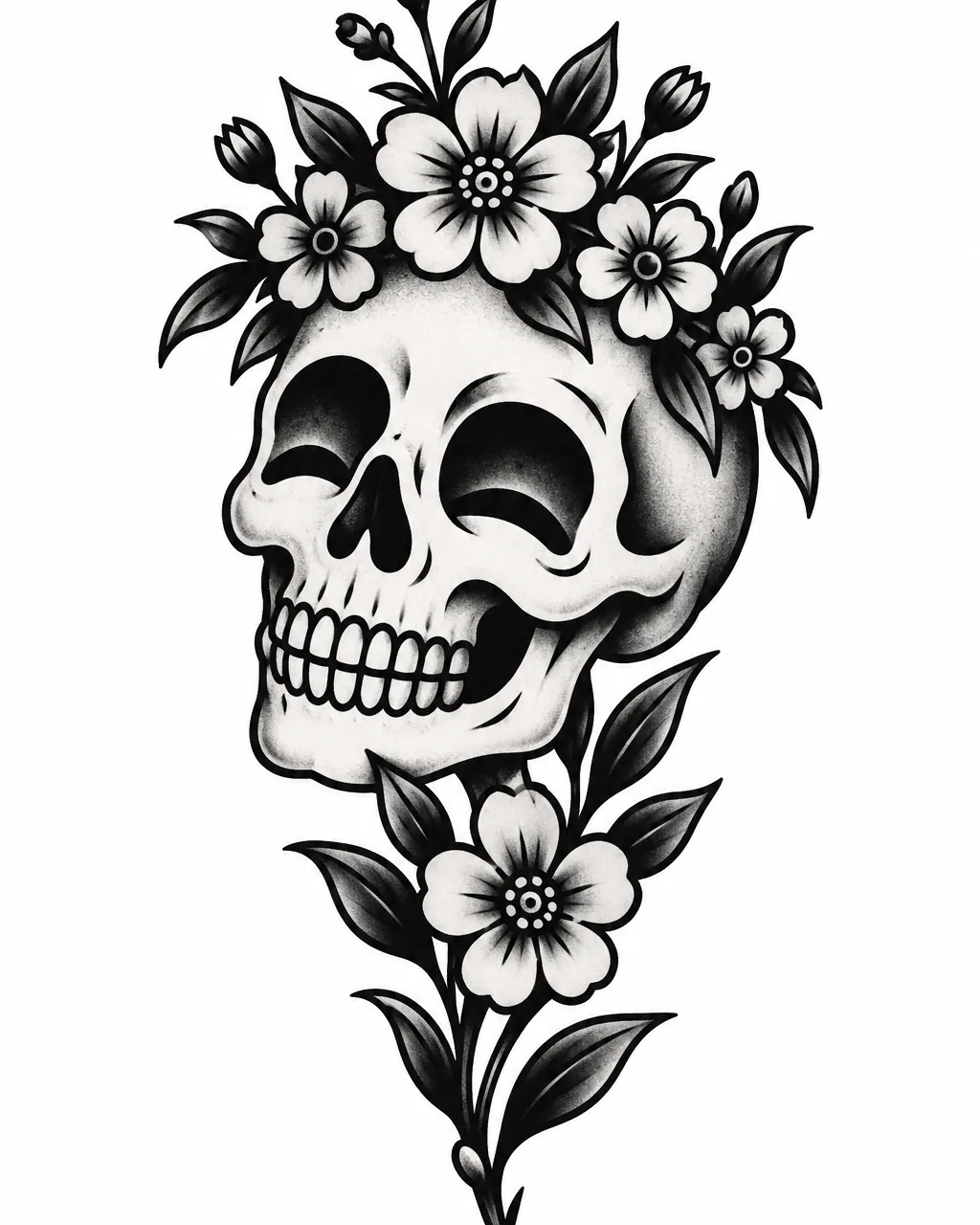
Negative space is the skin you leave bare. Gaps between shapes keep the design readable and let solid black and color stand out, while a design packed edge to edge turns muddy from a distance.
Finally, check readability at size. Shrink your tattoo sketch to its real dimensions and look at it from across the room. If you can’t tell what it is, simplify the shapes, enlarge the design or cut detail until you can.
No. 03
How to use a flash sheet
A flash tattoo sheet usually shows several finished designs, sometimes with sizes or prices. Here’s how to get from the wall to the chair.
- Pick what you love as drawn
- Flash is meant to be tattooed close to how it looks on the sheet, so choose a design you’d be happy to wear unchanged.
- Ask about size
- Every design has a size where its details hold up. Your artist can tell you how small it can go and how it will sit on the spot you have in mind.
- Keep changes small
- Swapping a color or adding a name to a banner is usually fine. Bigger changes turn flash into custom work, which can cost more and take longer.
- Check repeatable or one-off
- Ask whether the design will be tattooed again. A one-off is yours alone once it’s done.
- Confirm price and booking
- Check that the price shown is current, and whether the shop takes walk-ins or needs an appointment – especially on flash days.
No. 04
Tattoo sketch generator: AI flash, explained
A tattoo sketch generator turns a short description into rough designs in seconds. That makes it useful for the early, messy part of planning – trying subjects, layouts and styles before you spend an artist’s time. In TattooMaker, each run gives you four sketches to compare side by side.
What AI produces is a starting point, not a finished tattoo. Generated images can include lines too fine to hold, details that blur at real size and lettering that doesn’t quite work, so expect your artist to redraw your favorite in their own hand to fit your body. And never use AI to copy an artist’s flash: don’t upload someone’s sheet to make variations, and don’t use a living artist’s name to imitate their style.
No. 05
Flash etiquette
Flash belongs to the artist who drew it. Don’t take a photo of one artist’s flash to a different tattooer to copy – most will say no anyway, and the original artist loses the work. If you love a design, book with the person who made it.
Respect designs marked as claimed or one-off, and ask before photographing a shop’s flash wall. Posted prices are usually firm, so don’t haggle. When you share your new tattoo online, credit the artist – and in the US, tipping your tattooer is customary.
FAQ
Tattoo Flash FAQ
What does flash mean in tattooing?
Flash is pre-drawn artwork that an artist offers ready to tattoo, traditionally displayed on sheets on the shop wall. Custom work, by contrast, is designed from scratch for one client.
Is flash cheaper than a custom tattoo?
It often is, because the drawing is already done and the artist knows how long the design takes. Pricing still depends on size, placement and the shop, so ask before you book.
Can I change a flash design?
Small changes, like a different color or a name in a banner, are usually fine. Larger changes turn it into a custom piece, and some artists prefer their flash tattooed as drawn, so ask first.
Can I take flash I found online to a different artist?
Only if the artist who drew it says that’s fine. Some artists sell flash sheets for other tattooers to use, but most flash posted online is meant to be tattooed by the person who drew it.
Do I need to be able to draw to design my own tattoo?
No. A clear description, a few reference images or a rough sketch – by hand or made with AI – is enough to start a conversation. Your artist handles the final tattoo drawing and the stencil.
Turn the idea into your own design
Describe it in a sentence — four original sketches in seconds.