One swallow, thirteen ways
Tattoo Styles
Tattoo styles are the visual languages artists work in, from the bold flash of American traditional to the delicate linework of fine line. This guide covers 13 types of tattoo styles, how each one ages and how to choose the right style for your idea and placement.
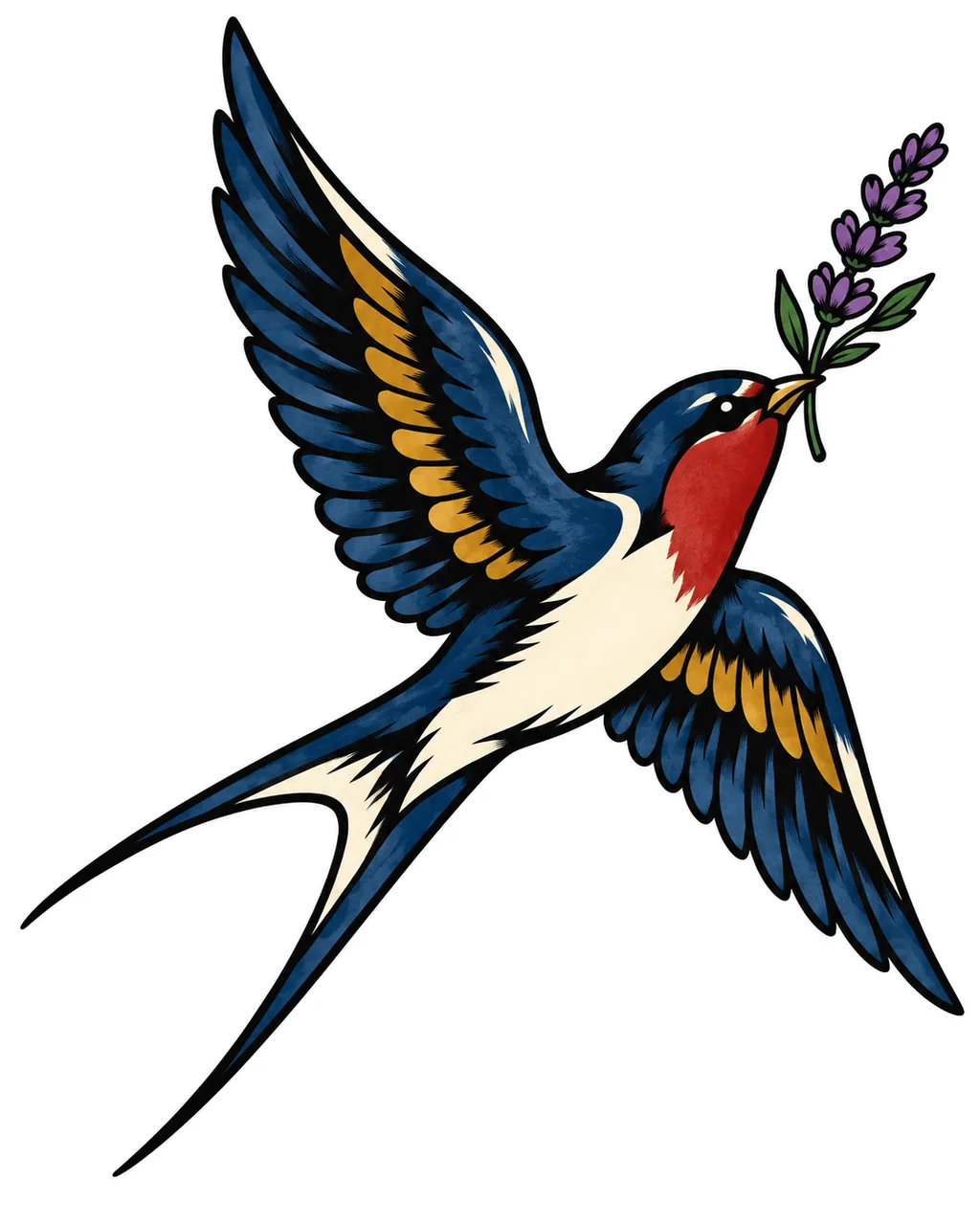 No.01American Traditional tattoo
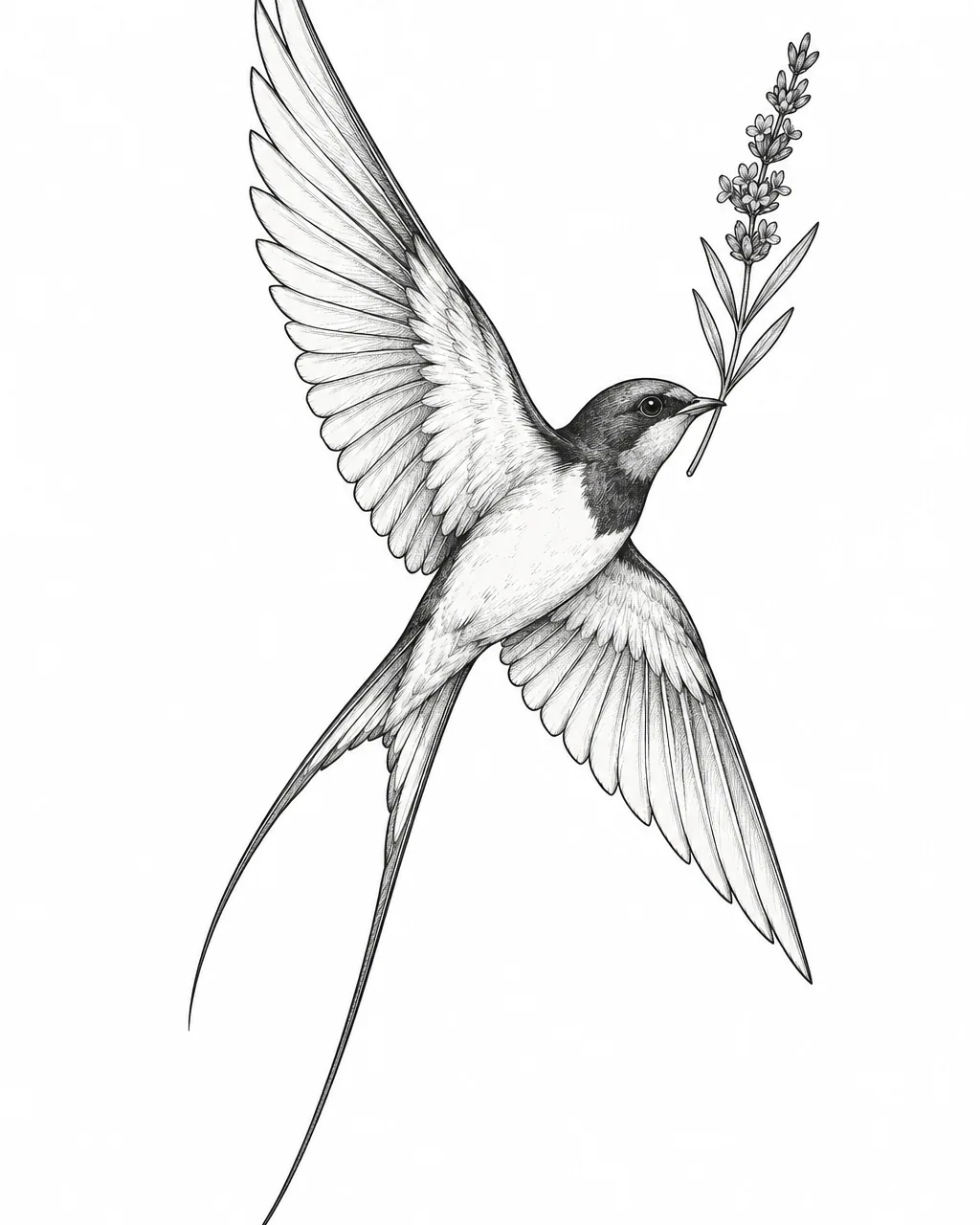 No.02Fine Line tattoo
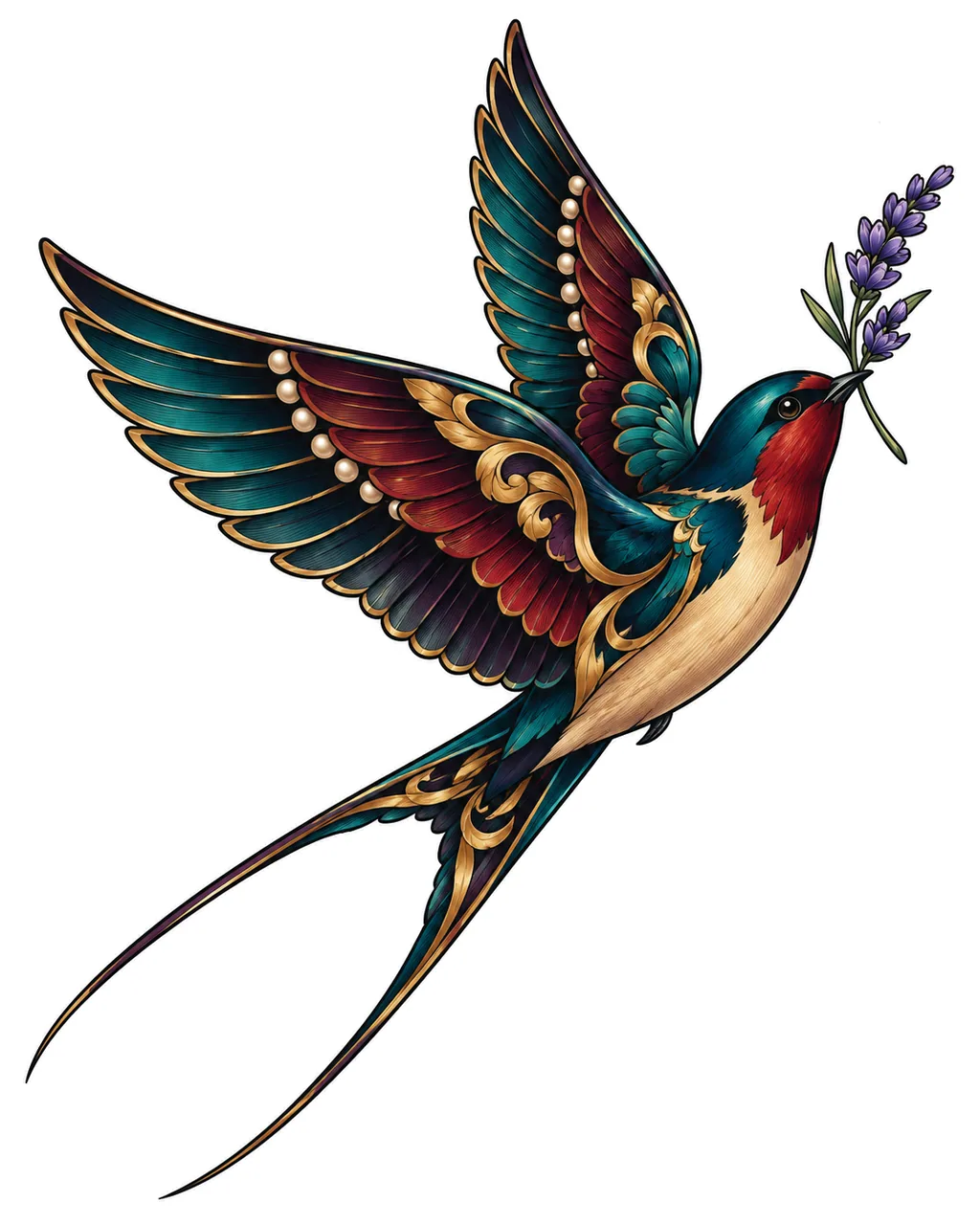 No.03Neo-Traditional tattoo
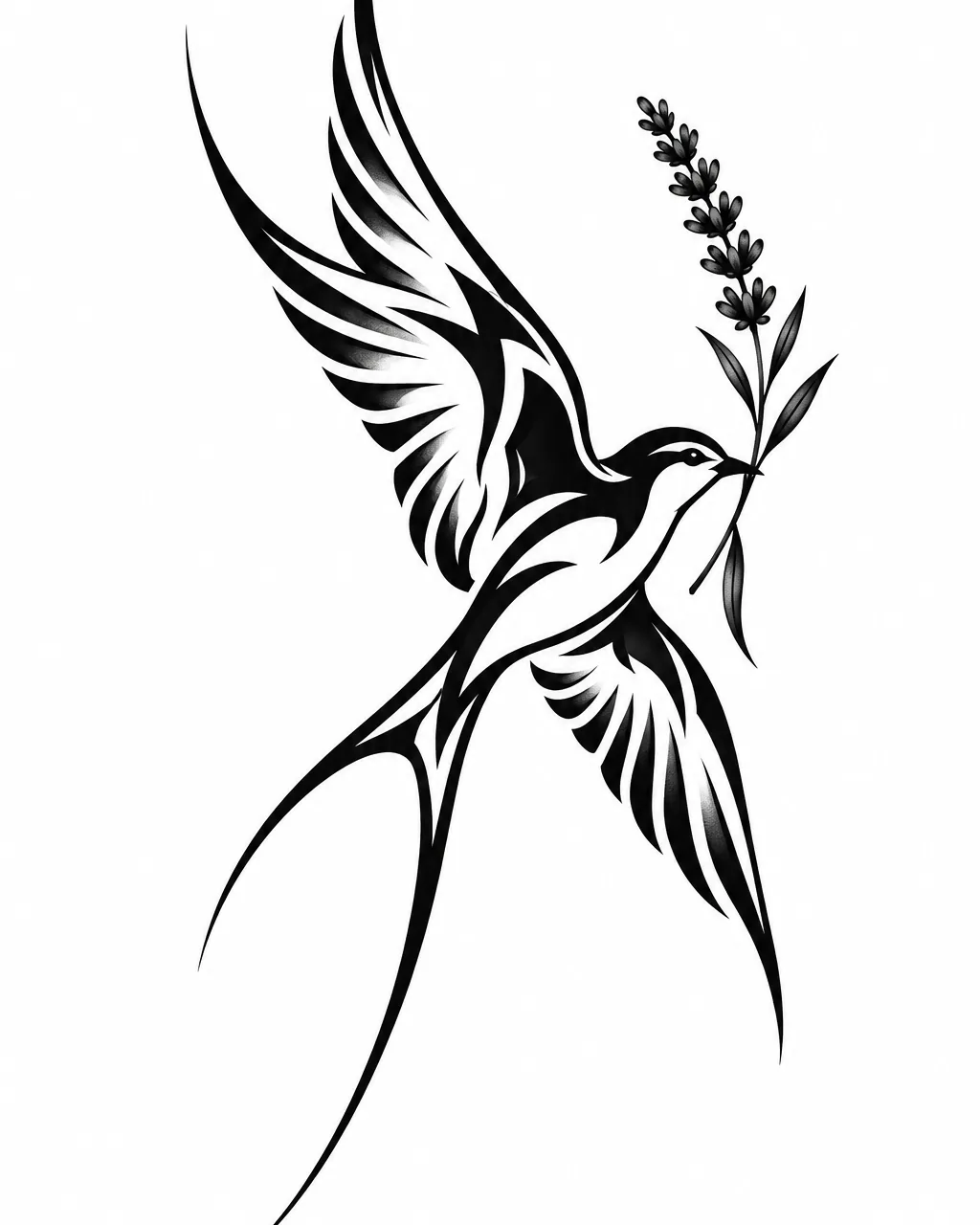 No.04Tribal tattoo
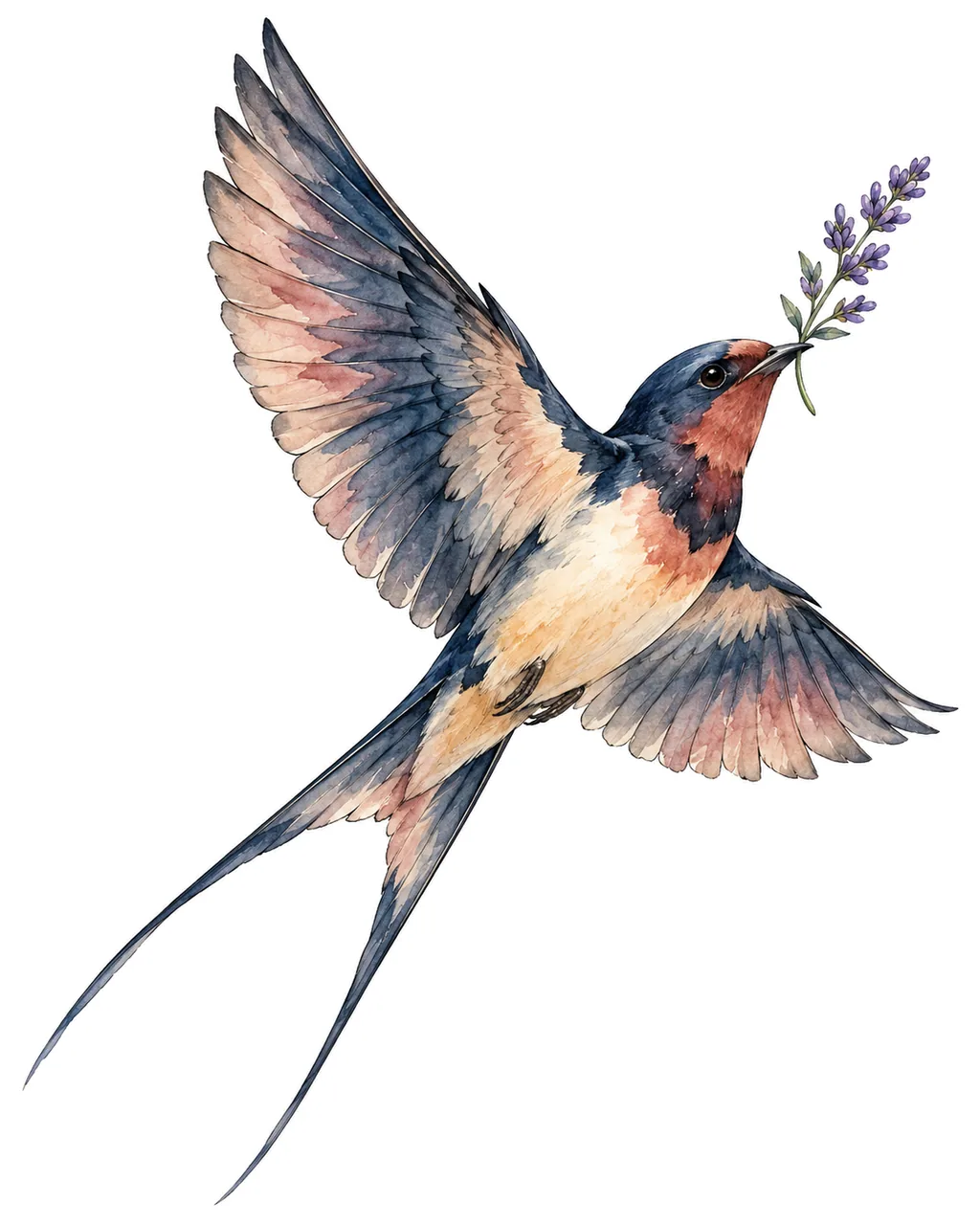 No.05Watercolor tattoo
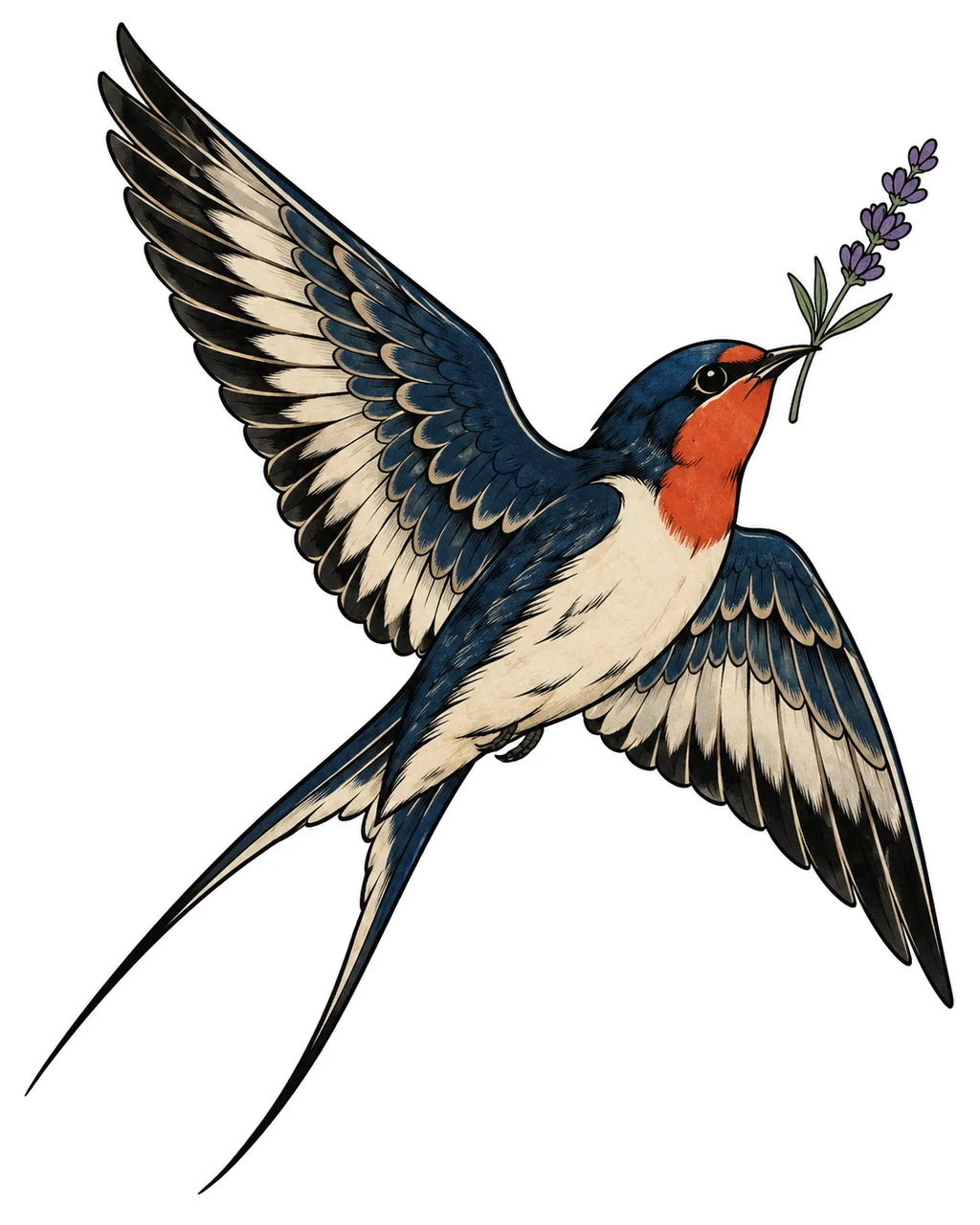 No.06Japanese tattoo
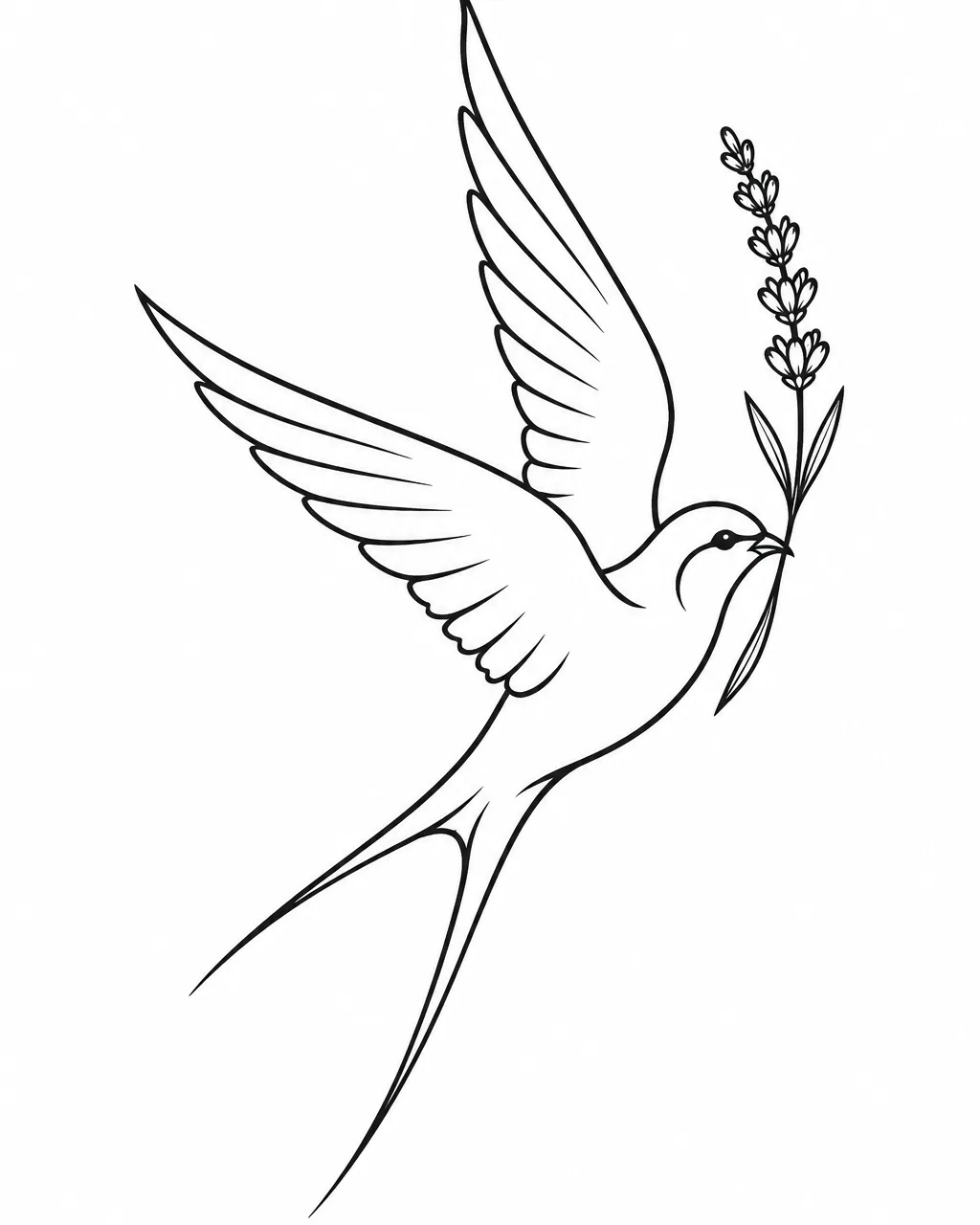 No.07Minimalist tattoo
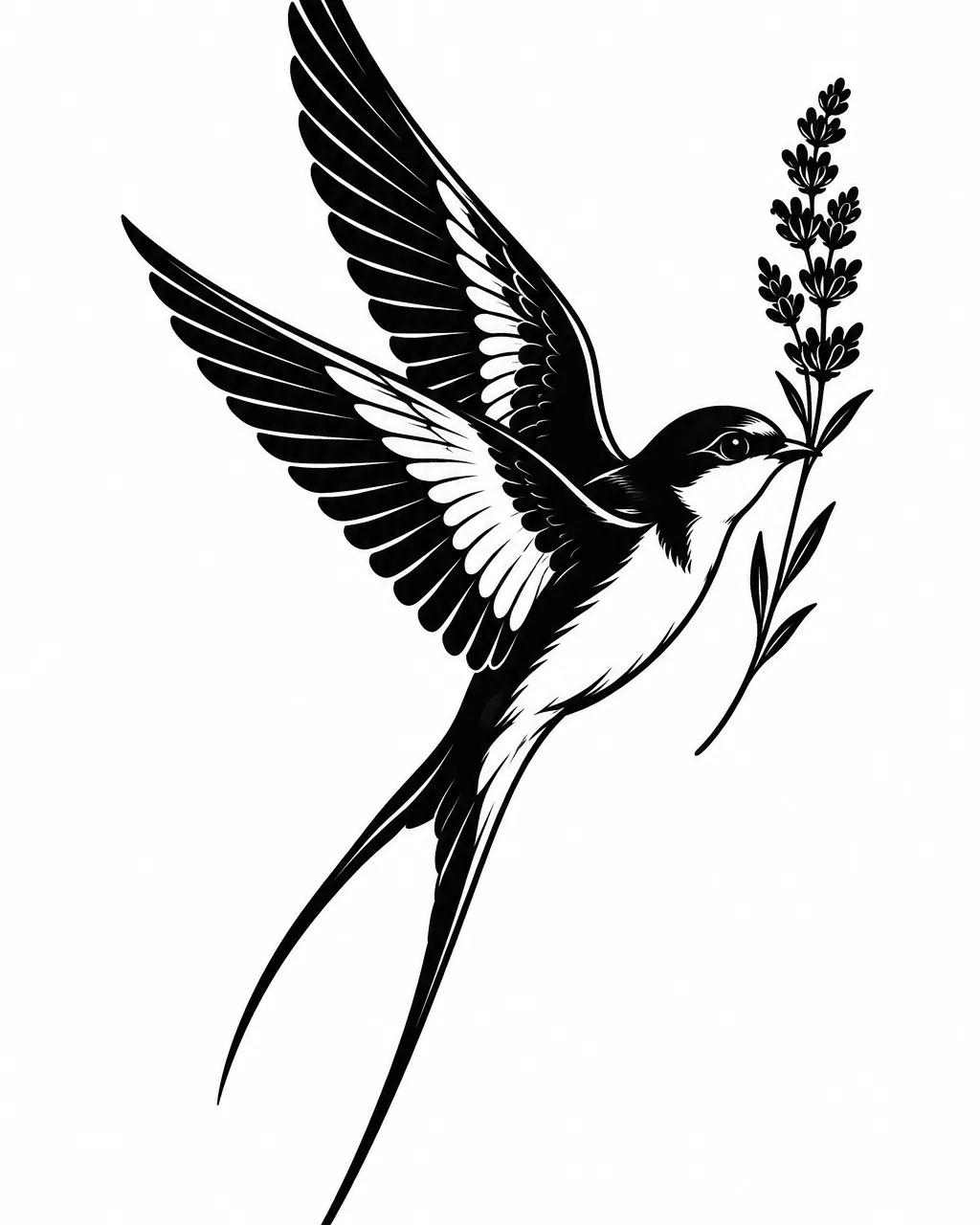 No.08Blackwork tattoo
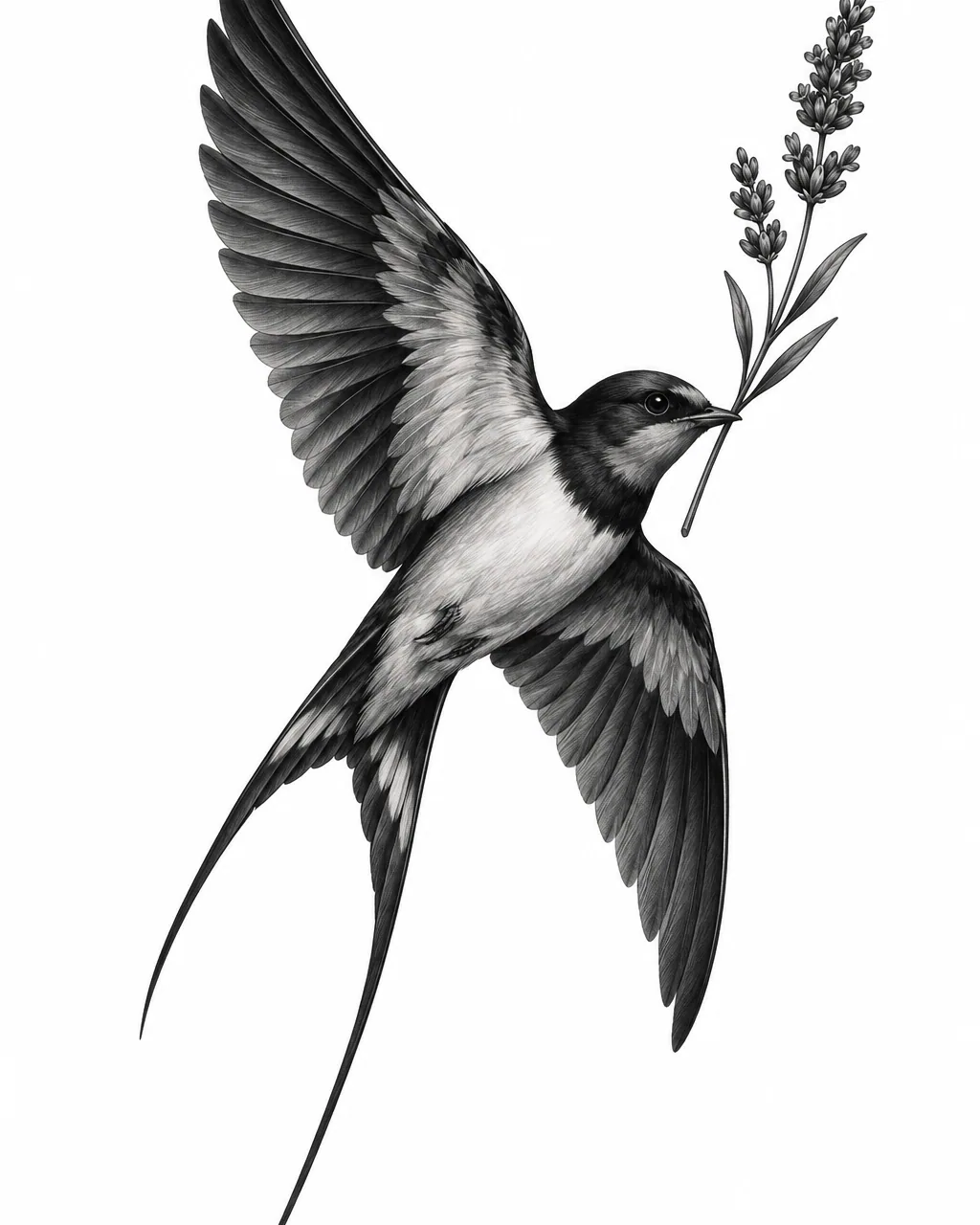 No.09Realism tattoo
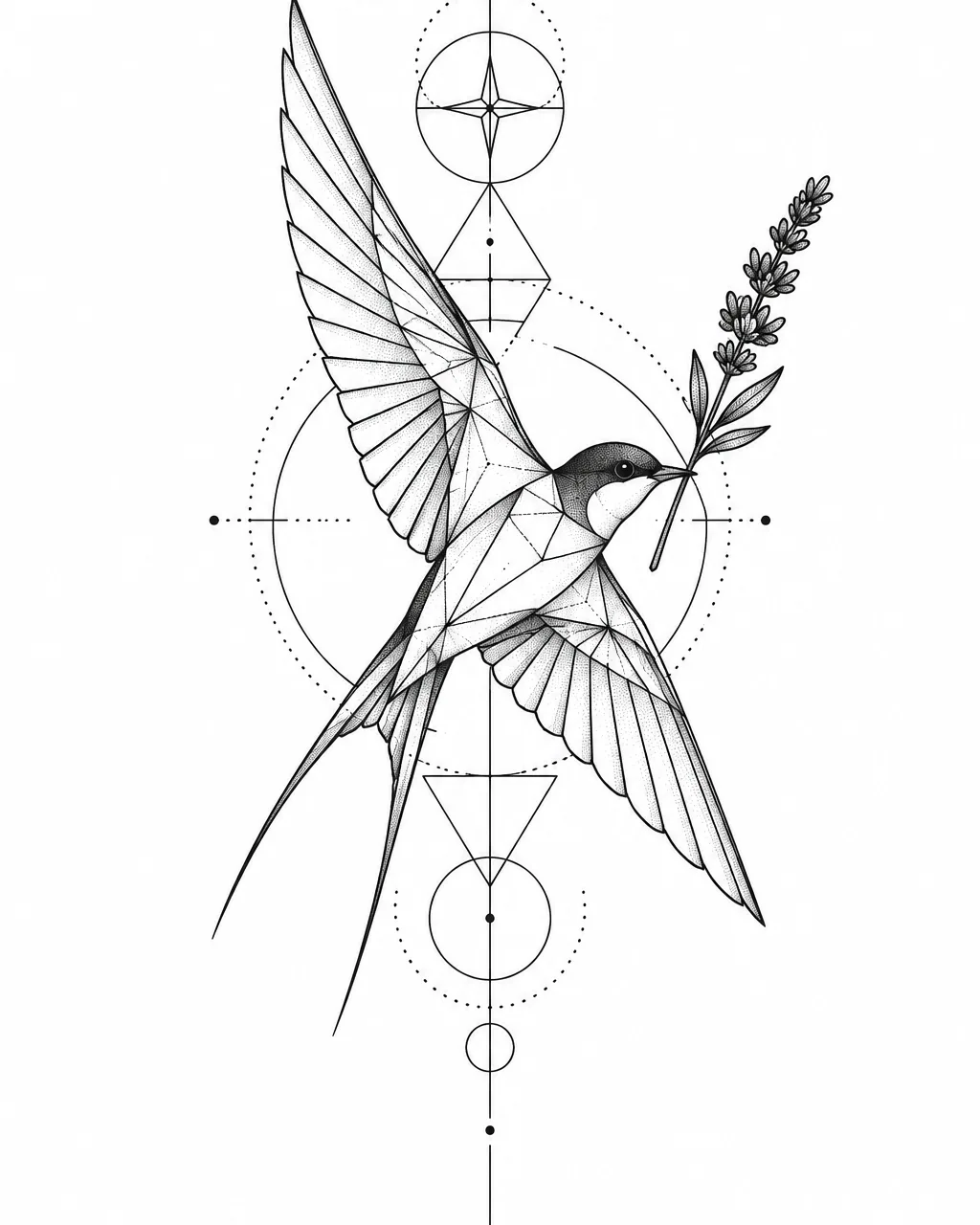 No.10Geometric tattoo
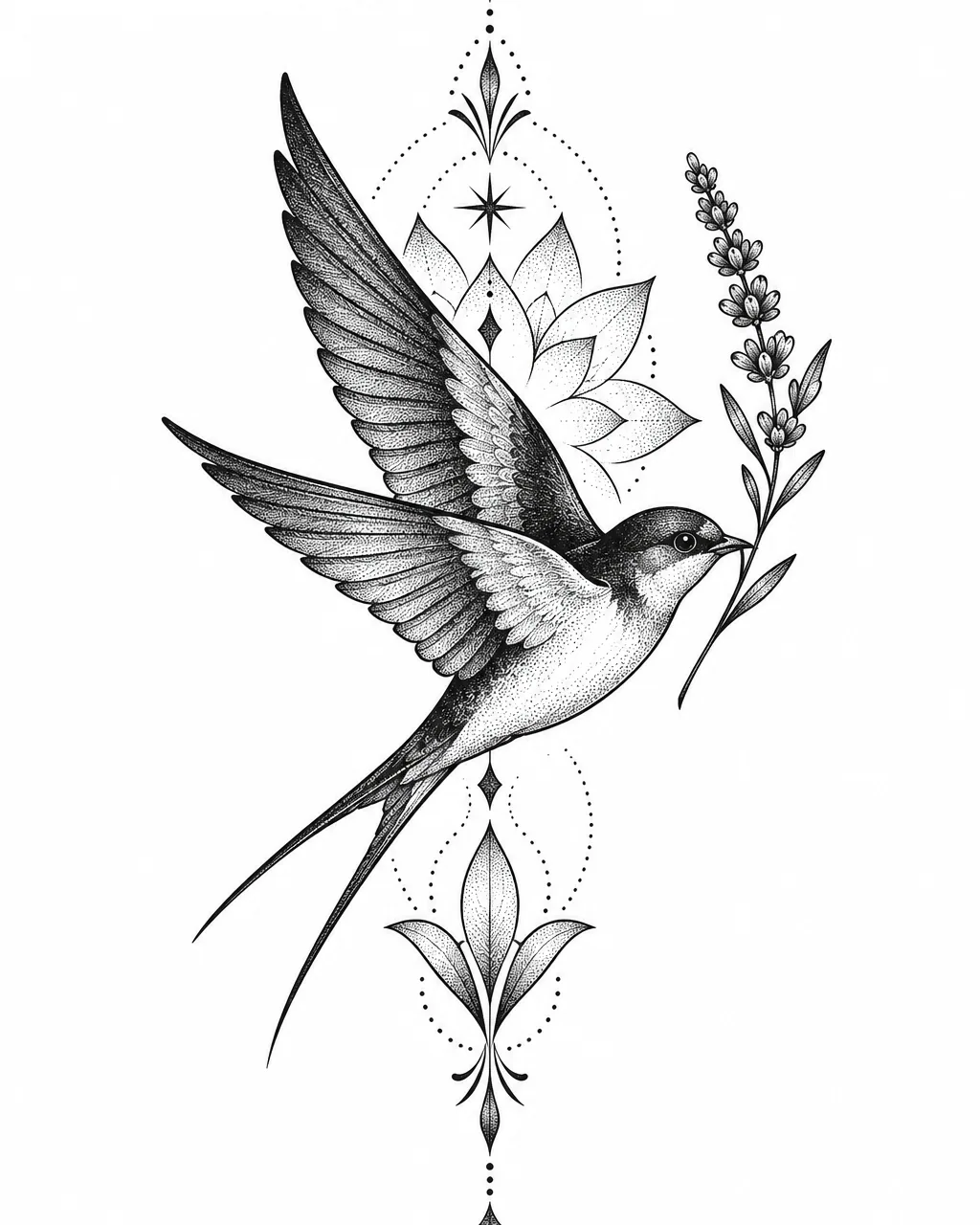 No.11Dotwork tattoo
- Script letteringSet in real fonts, spelled right →
- SketchLoose linework and flash sheets →
No. 01
Types of tattoo styles
Most tattoos fall into one of these 13 styles, each with its own line weight, palette and rules.
- American traditional
- Also called traditional or old school: heavy outlines, a few solid colors and classic flash motifs like swallows, eagles and roses.
- Neo-traditional
- Traditional’s illustrative descendant, with varied line weight, jewel-tone color and ornamental frames.
- Japanese
- Irezumi: large, flowing compositions of dragons, koi and tigers set against waves, clouds and wind bars.
- Tribal
- Solid black patterns inspired by Polynesian and other Indigenous traditions, many with specific cultural meanings.
- Blackwork
- Black ink only, from ornamental patterns to bold silhouettes and solid blackout areas.
- Geometric
- Precise lines, polygons and sacred geometry arranged with symmetry.
- Dotwork
- Images and soft gradients built from thousands of tiny stippled dots.
- Fine line
- Delicate single-needle linework with light shading, ideal for small botanicals and script.
- Minimalist
- As few elements as possible – a simple line or symbol and plenty of open skin.
- Realism
- Photographic portraits, animals and objects in black and grey or full color.
- Watercolor
- Painterly washes, bleeds and splashes of color, often anchored by black linework.
- Script lettering
- Words as the design – names, dates and quotes in cursive, blackletter or typewriter lettering; preview yours with the tattoo font generator.
- Sketch
- Loose, hand-drawn linework that keeps visible construction lines, like a page from an artist’s sketchbook; browse tattoo flash for sketch-style designs.
No. 02
How to choose a tattoo style
Start with size. Fine line and minimalist designs can work small, while realism, Japanese and neo-traditional pieces need room for their detail – shrinking them is a common way a good design goes wrong.
Then think about placement. Hands, fingers and feet fade quickly, so bold styles hold up best there. Flat, sheltered areas like the inner forearm and upper arm suit delicate or detailed work, while a back or full sleeve suits large Japanese or blackwork compositions.
Consider aging, too. Bold outlines and solid black last longest; thin lines, soft gradients and pale colors soften sooner and may need touch-ups.
Finally, choose between color and black and grey. Color brings energy and lasts best when it’s packed solidly inside bold lines; black and grey feels timeless, suits realism and fine line, and usually needs less upkeep. Many artists specialize in one or two styles, so let healed portfolios you love guide the decision. To compare options, the TattooMaker generator can render one idea in several styles.
No. 03
Which tattoo styles age best?
Styles built on bold outlines and solid black age best. American traditional, tribal and blackwork stay readable for decades because their thick lines leave room for ink to spread slowly under the skin. Japanese work, with its heavy backgrounds, and neo-traditional, with its strong black structure, also hold up well.
Styles that rely on fine detail or soft color need more care. Fine line, minimalist and micro realism can blur or lighten, and watercolor fades noticeably without a black outline. Dotwork and realism sit in the middle: dense darks hold while light gradients soften. Whatever you choose, size, placement, sun protection and a skilled artist matter as much as style.
No. 04
Can you mix tattoo styles?
Yes – many great tattoos combine styles. Common pairings include fine line with watercolor washes, realism framed by geometric shapes, dotwork shading inside geometric patterns and script lettering added to almost anything. A patchwork sleeve can even mix different styles side by side.
Mixing works best with a plan. Let one style lead and the other support it, keep line weights consistent where styles meet and leave enough space for each part to read clearly. If you’re building a collection over time, decide early whether you want a cohesive look, like a Japanese sleeve, or a patchwork of separate pieces.
FAQ
Tattoo styles FAQ
How many tattoo styles are there?
There’s no official number. Artists name dozens of styles and sub-styles, from new school and Chicano to biomechanical and illustrative, and new labels keep appearing. Most tattoos, though, fit a core group: American traditional, neo-traditional, Japanese, tribal, blackwork, geometric, dotwork, fine line, minimalist, realism, watercolor, script lettering and sketch – the 13 types covered here.
What is the most popular tattoo style?
Popularity shifts, but American traditional and fine line are two of the most searched-for styles. Bold traditional work has been a staple for more than a century, while fine line surged with social media in the 2010s. Rather than following trends, choose the style that suits your idea, your placement and how you want the tattoo to age.
What is the best tattoo style for a first tattoo?
There’s no single best style, but small fine line, minimalist or simple traditional designs are popular first choices because they’re quick, affordable and easy to place. If you want a tattoo that ages with the least maintenance, bold traditional or blackwork is hard to beat. Pick a style you’ll still love in ten years and an artist who specializes in it.
Do tattoo artists specialize in one style?
Many do. Plenty of artists can handle simple work in several styles, but realism, Japanese, tribal and fine line in particular reward specialists. Browse an artist’s healed portfolio: if it’s full of the style you want, you’re in good hands. If not, ask them to recommend someone who focuses on it – good artists are happy to refer.
Does tattoo style affect the price?
Yes, mainly through time. Styles that take longer per square inch – realism, dotwork, detailed Japanese and neo-traditional – usually cost more than simple linework or flash, and large pieces need several sessions. Size, placement and the artist’s rate matter too. A tattoo cost calculator can give you a rough range before you request a quote.
Try your idea in any style
Pick a style in the generator and get four sketches in seconds.