Style guide · 8 designs
Watercolor Tattoo Ideas & Guide
A watercolor tattoo borrows the look of painting – soft washes, color bleeds and splashes that seem to soak into the skin. Here’s how the style works, the ideas that suit it, how it really ages and why many artists anchor the color with black linework.
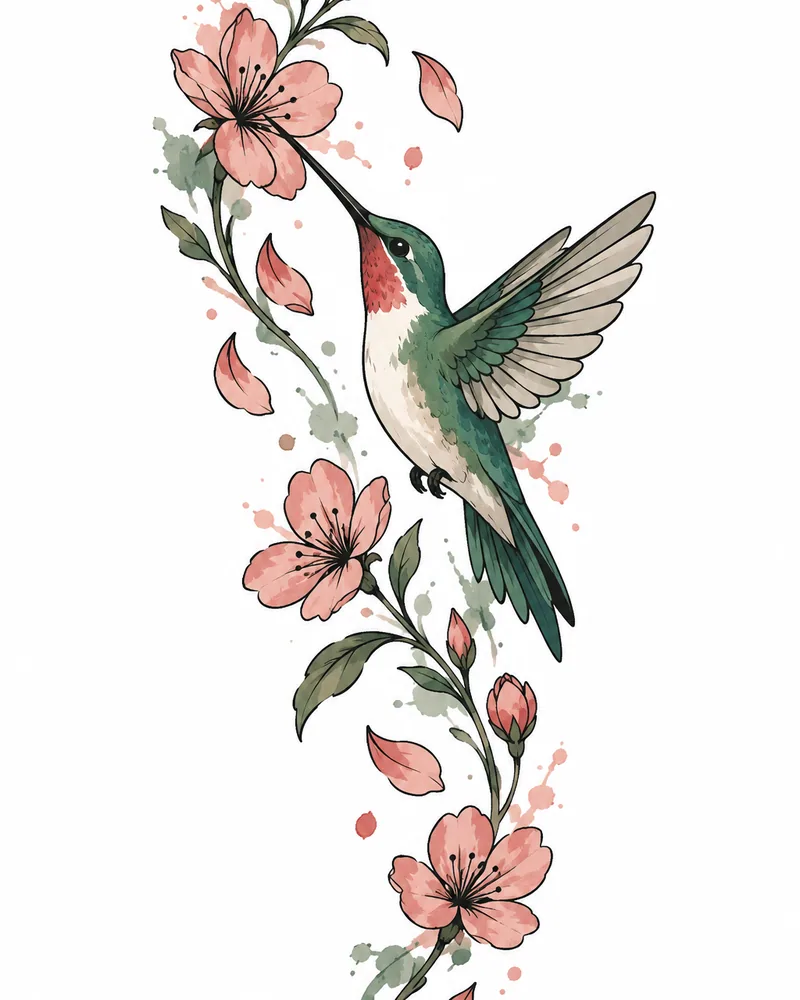
Watercolor tattoo designs
a hummingbird in flight among drifting petalsWatercolor · forearm 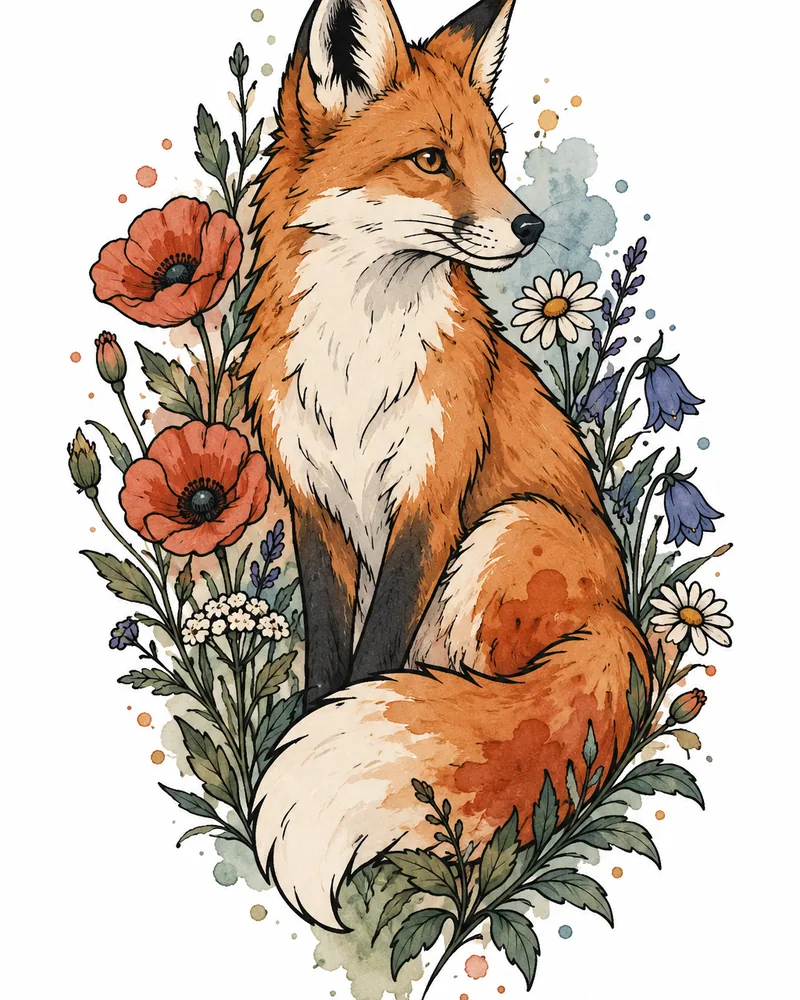
a fox sitting among wildflowersWatercolor · upper arm 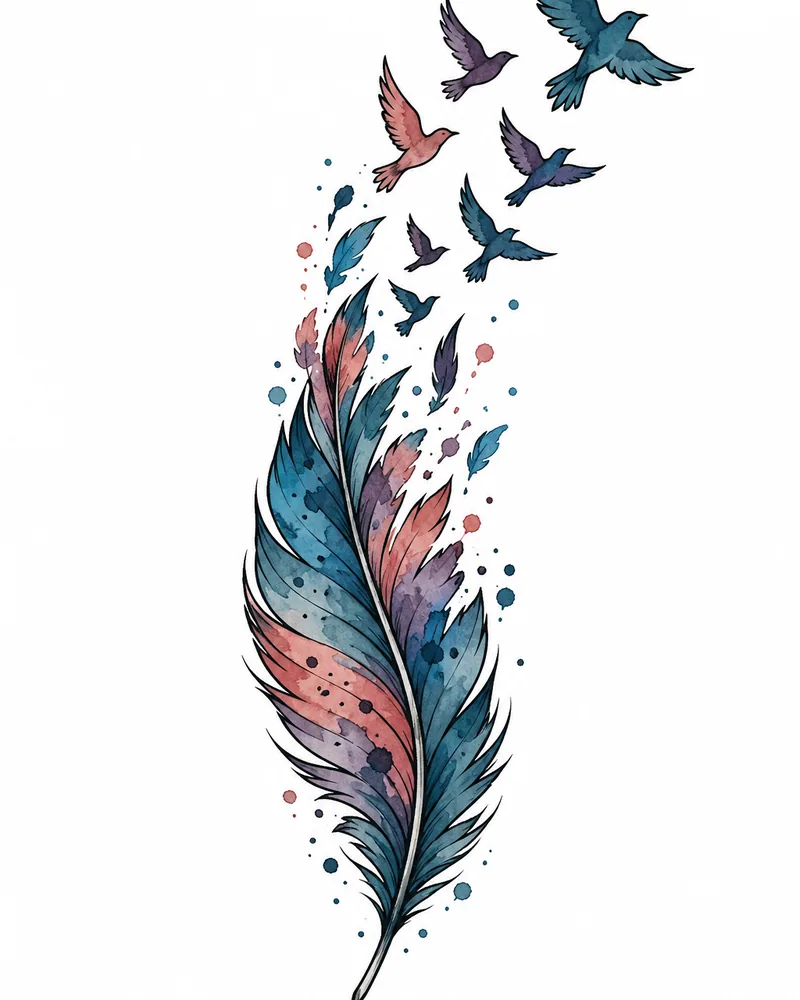
a feather dissolving into a flock of small birdsWatercolor · calf 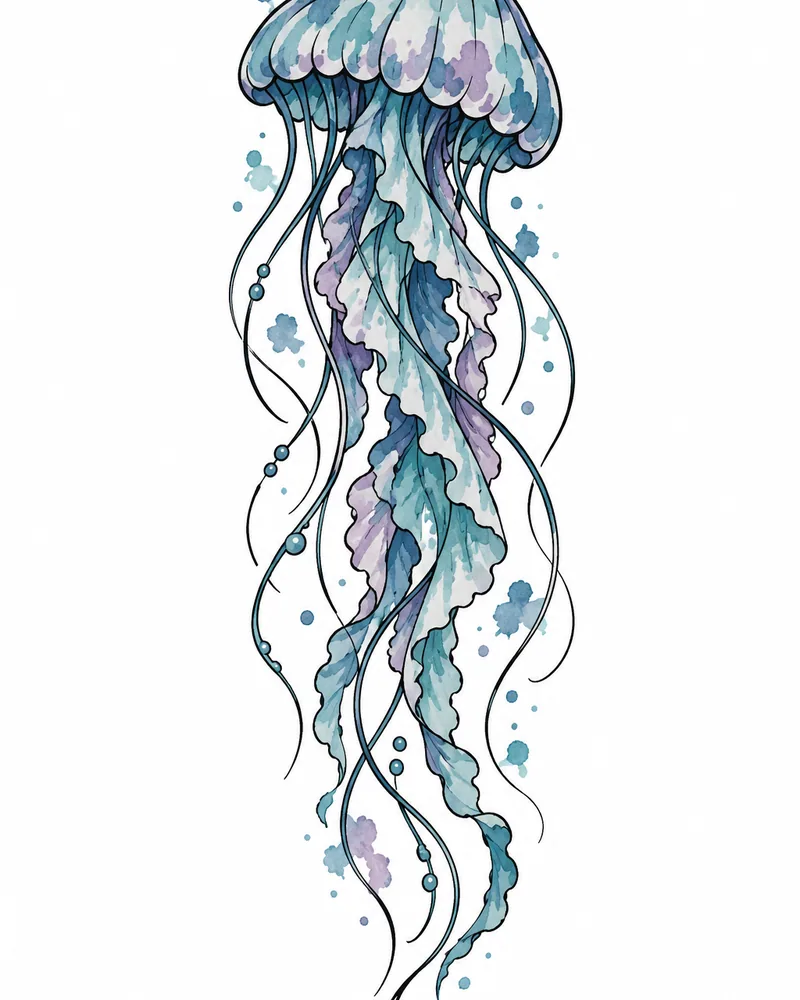
a jellyfish trailing long tentaclesWatercolor · forearm 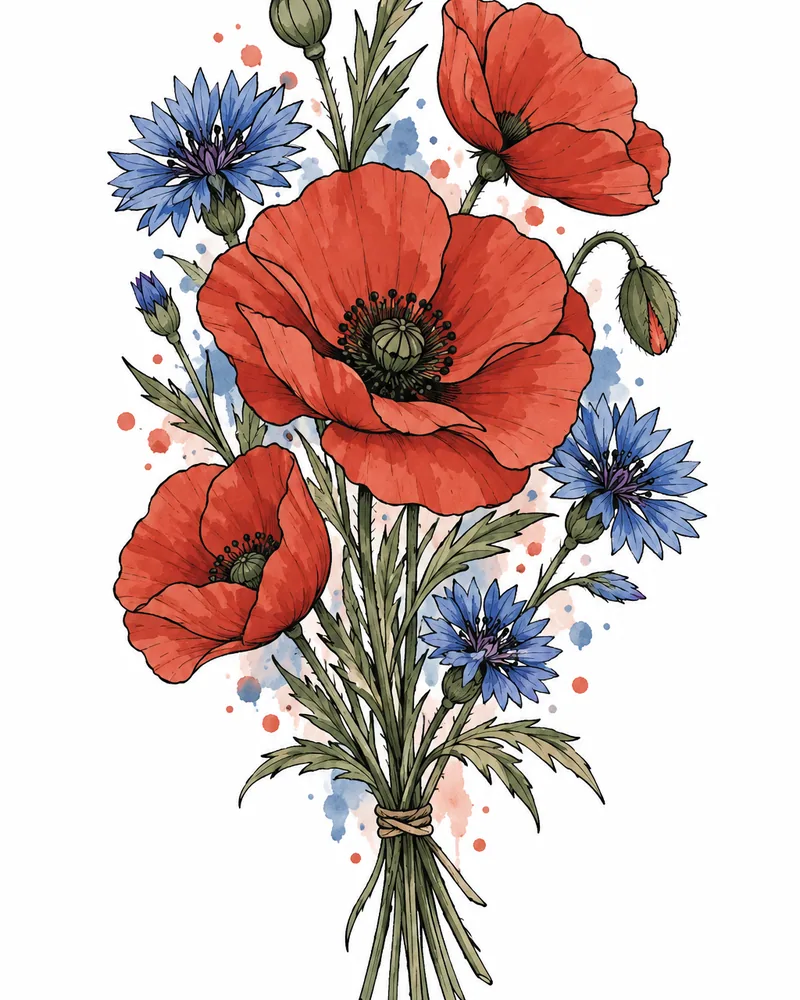
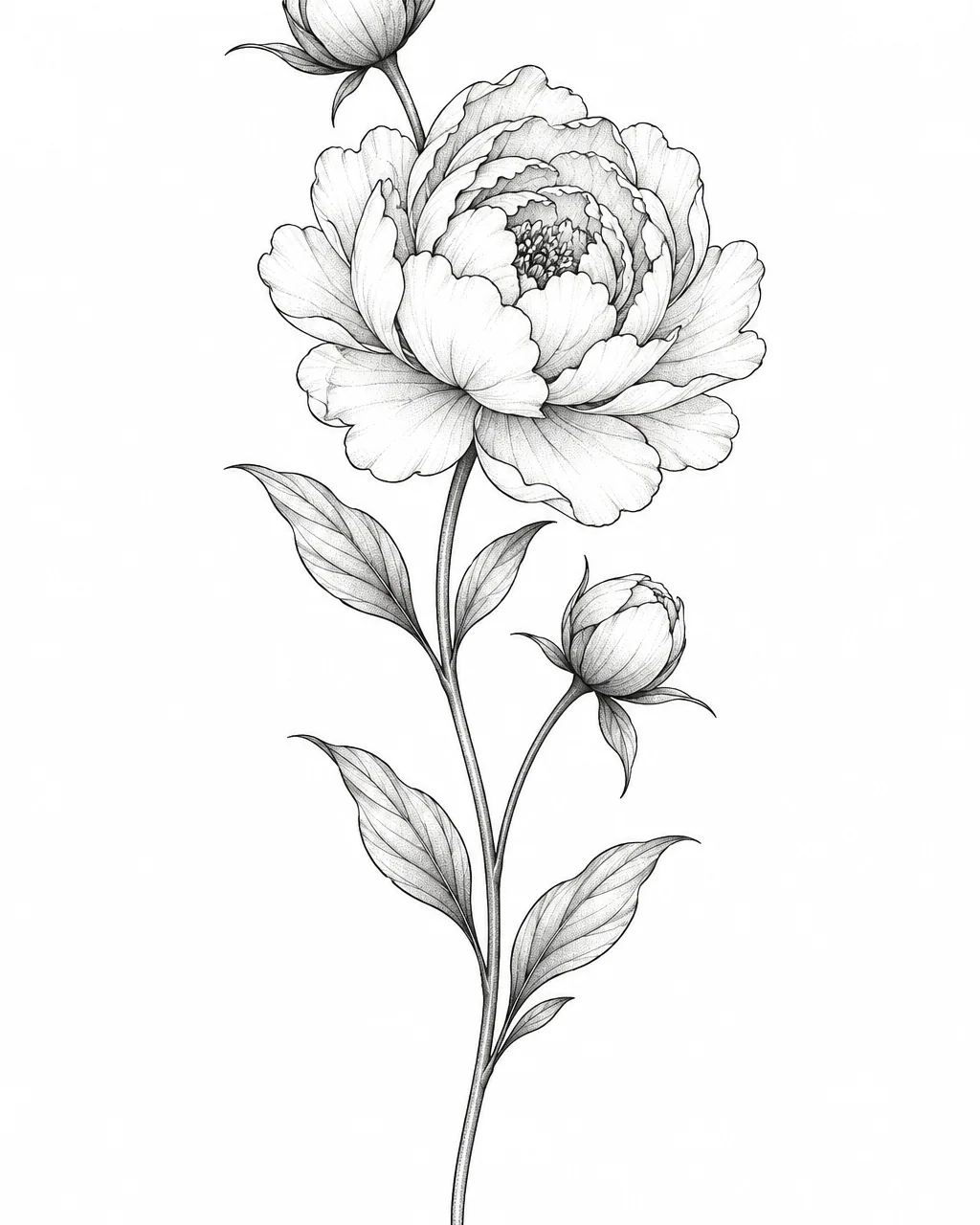
a bouquet of poppies and cornflowersWatercolor · upper arm 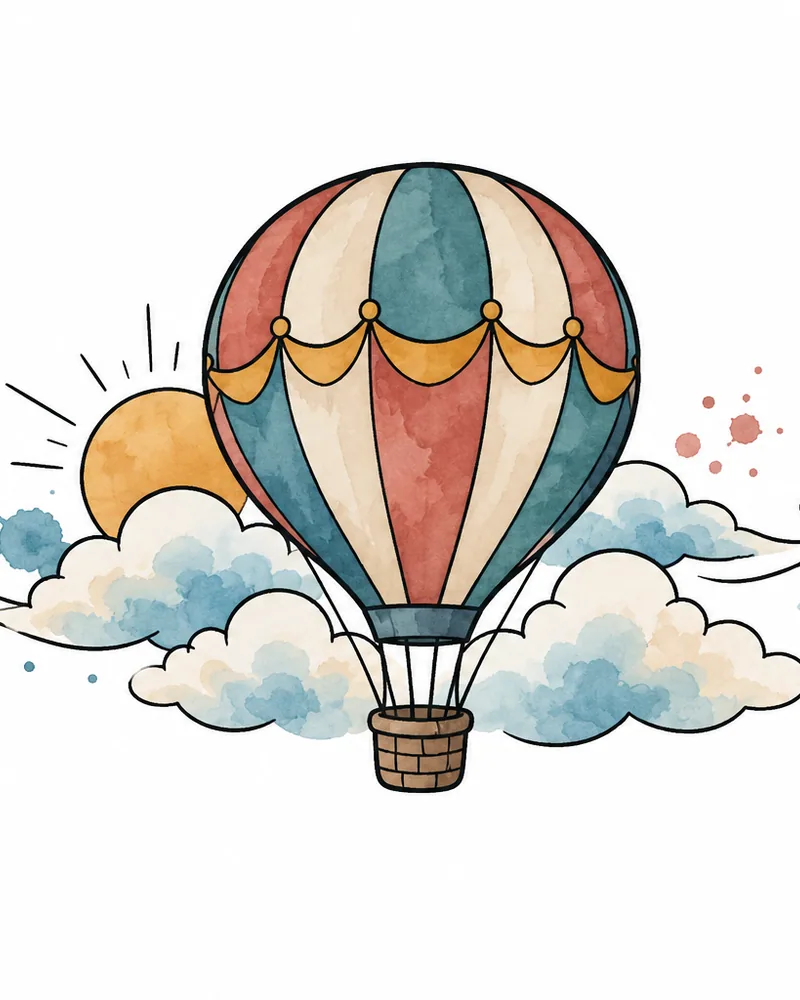
a hot air balloon drifting over soft cloudsWatercolor · ankle 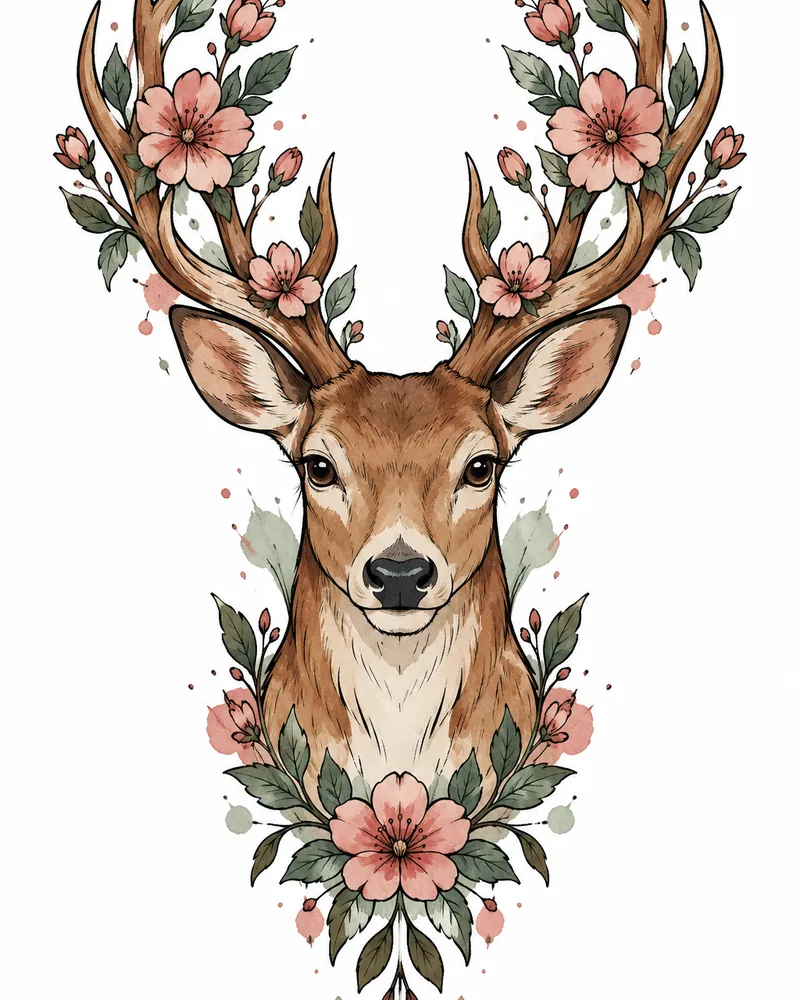
a deer with flowers growing from its antlersWatercolor · back 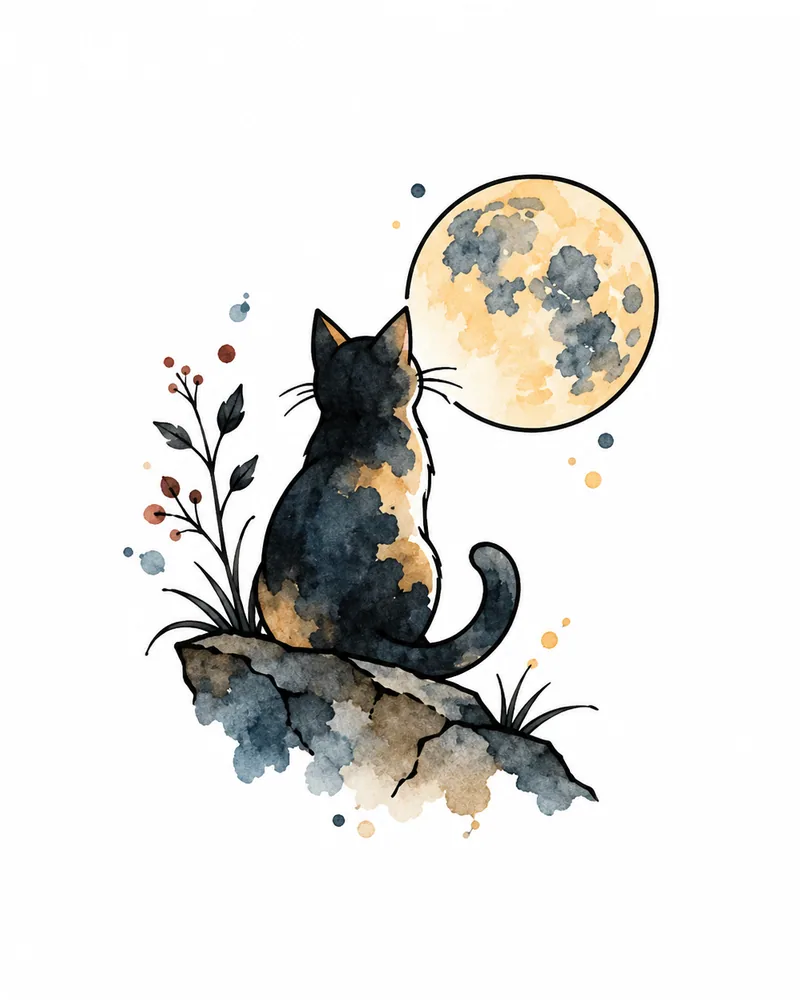
a cat silhouette gazing at the moonWatercolor · wrist Not quite it?
Describe your own watercolor tattoo
No. 01
What is a watercolor tattoo?
Watercolor tattooing imitates paint on paper: translucent washes, soft edges, drips and splatters that bleed past the outline or replace it entirely. Artists build these effects with diluted inks, careful gradients and loose, painterly placement instead of the flat fills of traditional work.
Watercolor became a recognizable style in the 2010s, as artists with backgrounds in illustration and fine art brought brush techniques to the tattoo machine. Today it ranges from pure color with no outline to designs that pair a crisp black drawing – fine line, sketch or bold – with a free-flowing wash behind it.
Many artists now favor that second approach, because the black lines keep the image readable as the softest colors fade.
No. 02
Key characteristics of watercolor tattoos
- Soft color washes
- Translucent gradients that fade into bare skin instead of stopping at a hard edge.
- Bleeds and splashes
- Drips, splatters and blooms of color that mimic paint moving on wet paper.
- Little or no outline
- Designs either skip outlines or use a light black drawing as a skeleton.
- Blended palettes
- Blues, purples, pinks and warm oranges blend within one area rather than being packed flat.
- Movement
- Color can trail behind a bird or animal, suggesting motion and energy.
- Painterly texture
- Brushstroke marks and uneven edges are part of the charm, not mistakes.
No. 03
Popular watercolor tattoo ideas
Subjects with natural color and movement suit watercolor best.
- Hummingbird with splashes
- A hummingbird in fine black lines with bright color trailing from its wings, for a forearm or shoulder.
- Fox
- A fox outline filled with orange and rust washes that spill past the edges, at 4–6 inches.
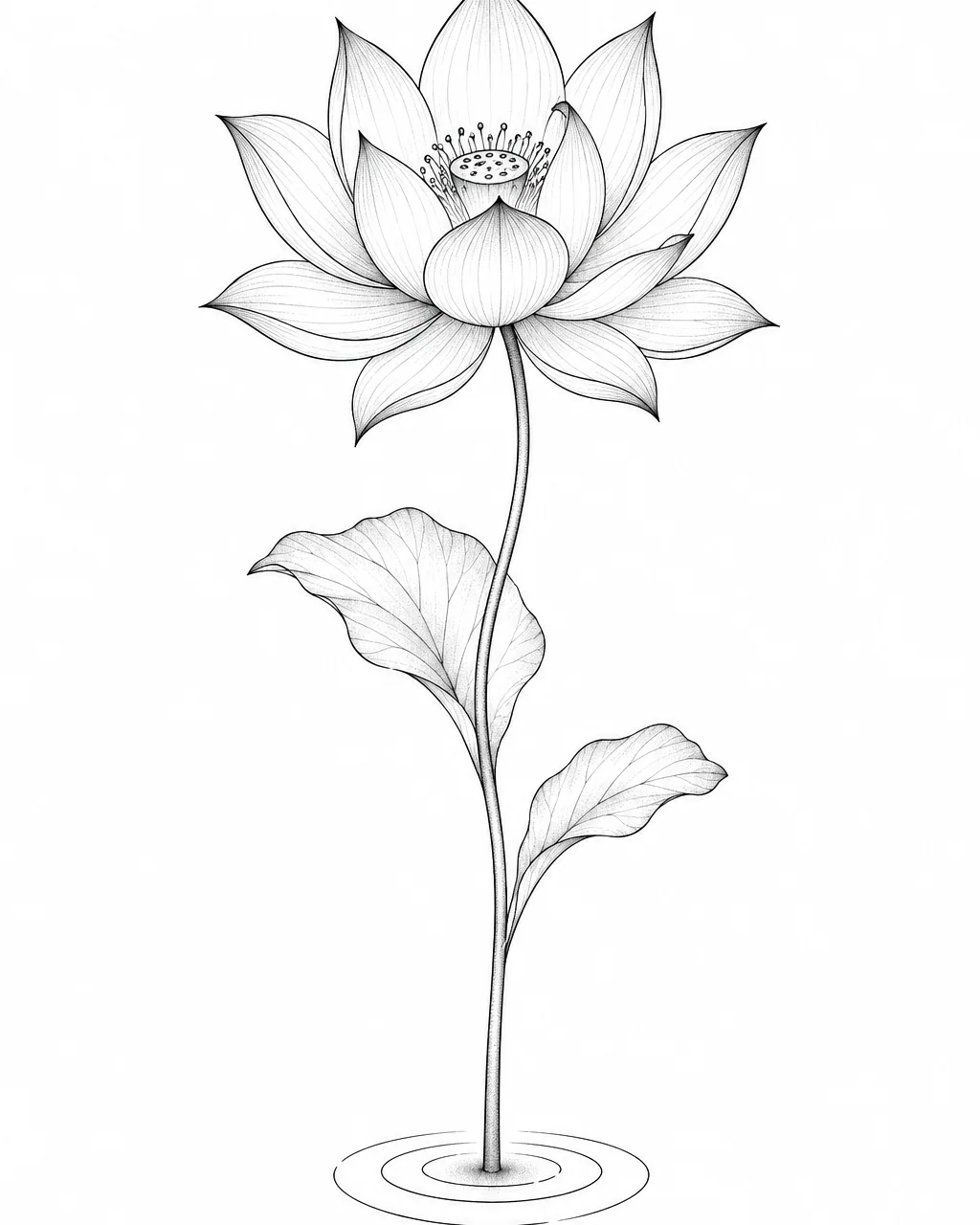
- Lotus wash
- A lotus in pinks and purples floating on a pool of blue, balanced for the calf or upper arm.
- Jellyfish
- Flowing tentacles in translucent blues and violets – soft edges suit the subject perfectly.
- Feather with paint drips
- A long feather with color dripping from its tip; the vertical shape fits a forearm or calf.
- World map wash
- Continent outlines over blended color, popular with travelers; it needs 5–6 inches of width to read.
- Whale silhouette
- A whale outline floating in a deep blue wash, simple enough to stay readable as color softens.
- Flower bouquet
- Loose blooms in mixed colors with fine black stems, easy to scale up or down.
No. 04
How watercolor tattoos age
Watercolor deserves an honest conversation about aging. Soft gradients and pale tints carry less pigment than packed color, so they lighten sooner, and edges without an outline can blur as ink spreads. Light colors such as yellow, pink and pale blue usually fade first, especially in the sun.
That doesn’t make it a bad choice – it means design matters. A black outline or a few dark areas give the piece a structure that stays readable after the color softens. Choose a medium or larger size, avoid tiny washes on high-friction spots like hands and feet, wear sunscreen and plan for color touch-ups every few years.
No. 05
Best placements and sizes for watercolor tattoos
Watercolor needs room for gradients to transition, and it keeps color longest on skin that sees less sun.
- Upper arm and shoulder
- Sheltered from daily sun and roomy enough for 4–7 inch designs with full washes.
- Forearm
- Good for feathers and birds at 4–6 inches; the inner forearm gets less sun than the outer.
- Calf
- Plenty of space for animals and florals at 5–8 inches.
- Back
- A shoulder blade or the upper back gives room for washes and maps of 6 inches and up.
- Ankle
- Designs of 2–3 inches can work, but keep the outline strong, since friction and sun speed fading.
No. 06
Working with a watercolor tattoo artist
Ask to see healed watercolor work that is a year or two old – fresh color always looks vivid, and healed photos show how the artist’s gradients really settle. Look for smooth transitions, color that still reads clearly and outlines or dark accents that hold the design together.
Bring color references, such as paintings or palettes you like, along with images of the subject. Ask whether the artist recommends black linework for your design, how they plan for fading and what their touch-up policy is. To test color ideas first, the TattooMaker generator can create watercolor-style concepts to discuss.
FAQ
Watercolor style FAQ
Do watercolor tattoos fade faster?
Generally, yes. Watercolor tattoos use soft gradients and light tints that hold less pigment than solid fills, so they tend to fade and blur sooner than bold styles. Designs with a black outline or dark accents keep their shape much better. Sun protection, a generous size and periodic color touch-ups keep watercolor tattoos looking fresh.
Do watercolor tattoos need outlines?
Not always, but outlines help them age. A watercolor tattoo with no black structure relies entirely on color, which softens over time and can leave the image hard to read. Many artists recommend at least some black linework or dark areas as an anchor. Fine line or sketch-style outlines keep the painterly look while adding longevity.
Are watercolor tattoos more expensive?
They can be, mostly because blending smooth gradients takes time and skill. The price depends on size, detail, placement and the artist’s rate more than the style itself, and touch-ups add to the long-term cost. For a rough estimate based on size and complexity, try the tattoo cost calculator, then confirm the final quote with your artist.
Do watercolor tattoos work on darker skin?
Watercolor can work on any skin tone, but pale and pastel tints show less contrast on deeper skin, so the effect may look more subtle. Richer, more saturated colors and a strong black structure usually read best. A good artist will look at your skin, suggest a palette that will show and share healed examples on similar skin tones.
Design your own watercolor piece
Describe it in a sentence. Four original sketches in seconds — then turn the one you love into a stencil.