By placement · 9 designs
Sleeve Tattoo Ideas
Great sleeve tattoo ideas all share one thing that separates a sleeve from a collection of random tattoos: flow. Explore full-arm themes from Japanese koi to botanical gardens, then plan the composition, sessions, budget and healing before the first line goes down.
Browse sleeve tattoo ideas
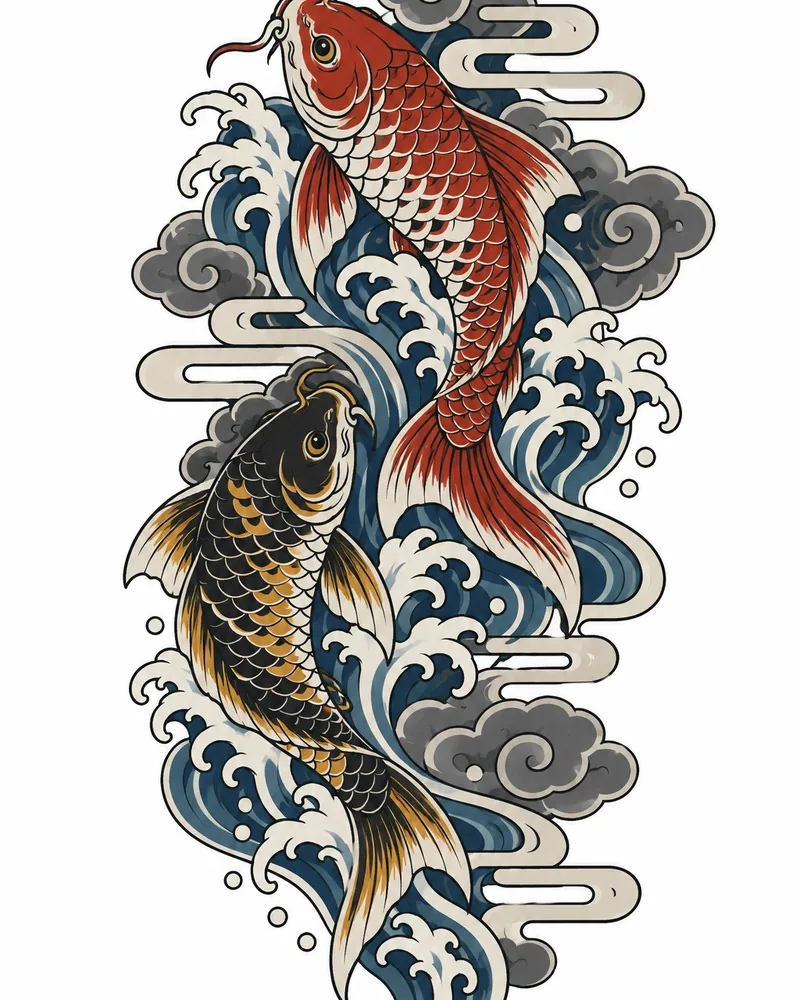
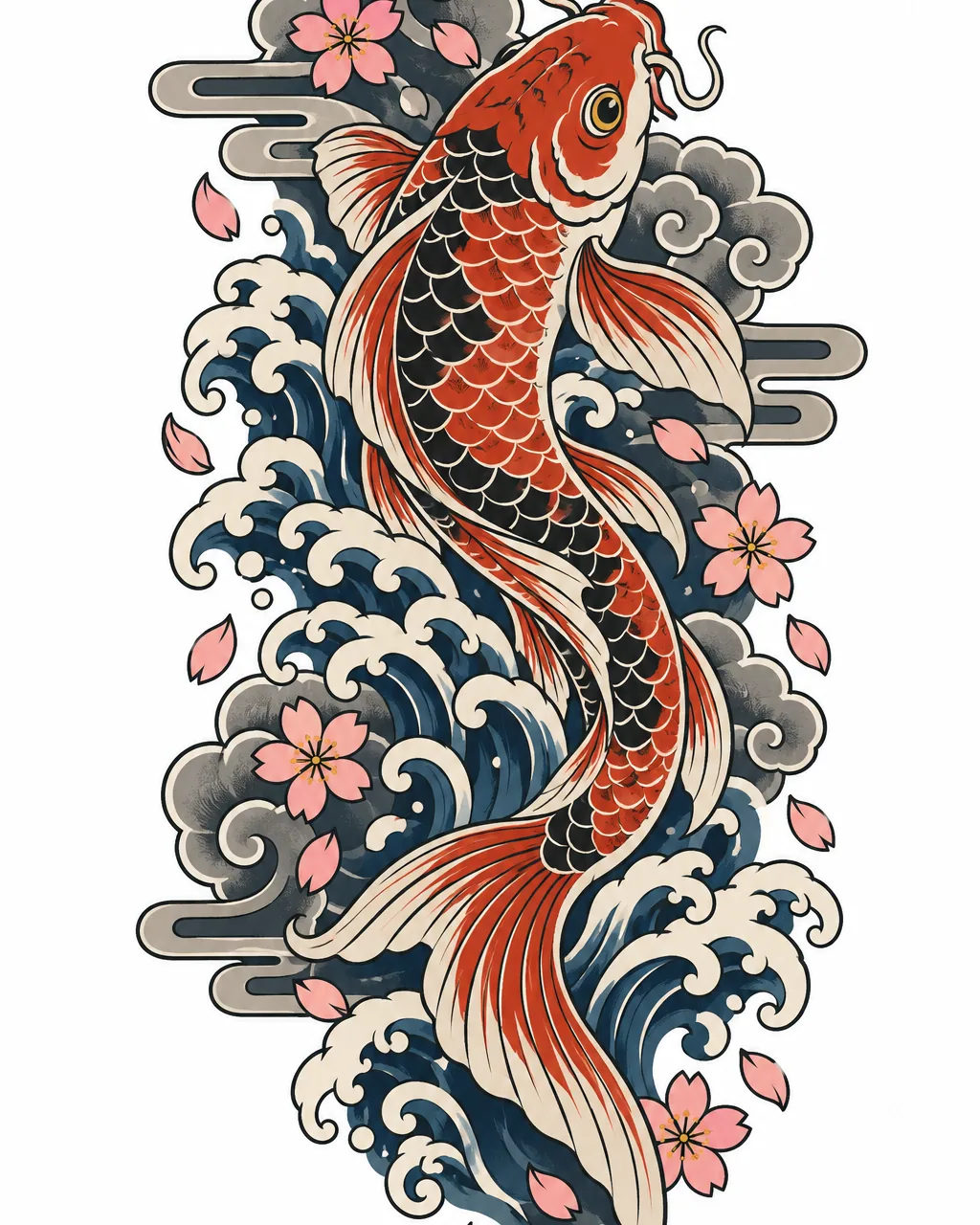
two koi swimming upward through waves with wind bars linking the whole compositionJapanese · sleeve 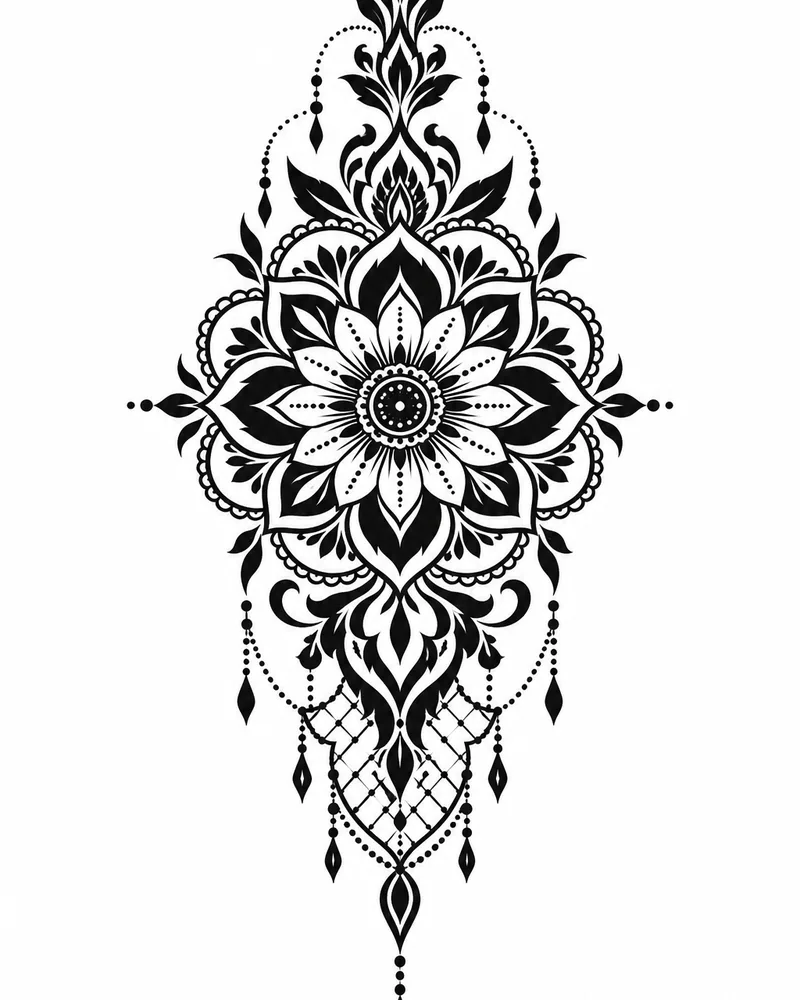
ornamental mandalas flowing into lace patterns from top to bottomBlackwork · sleeve 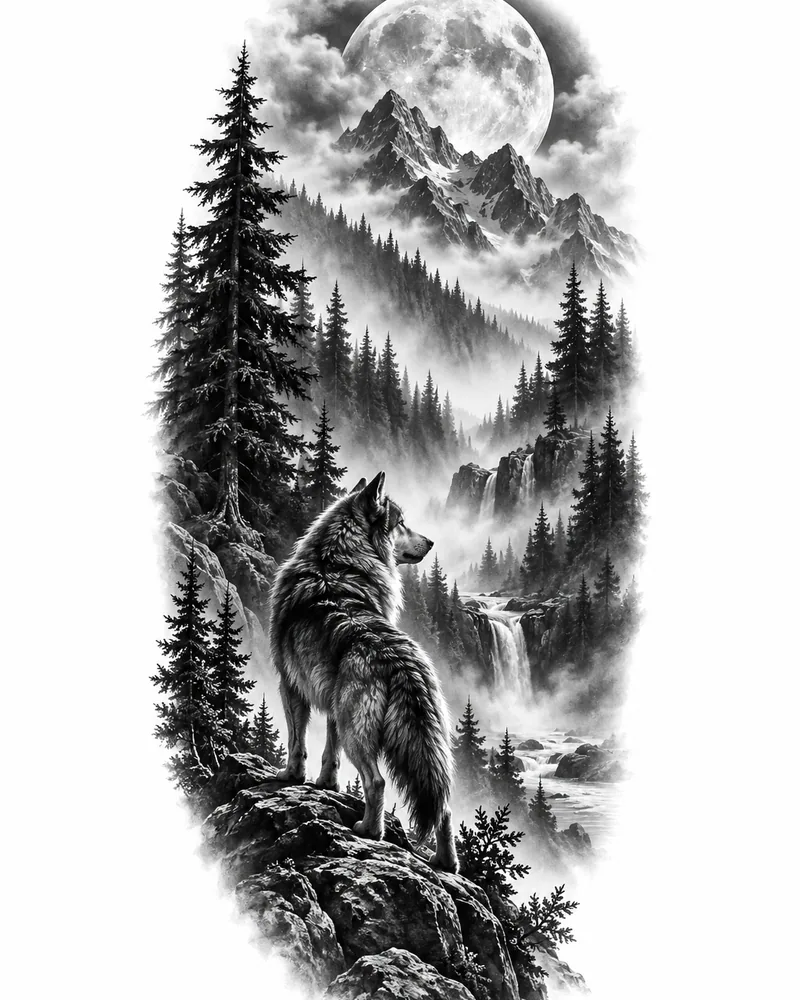
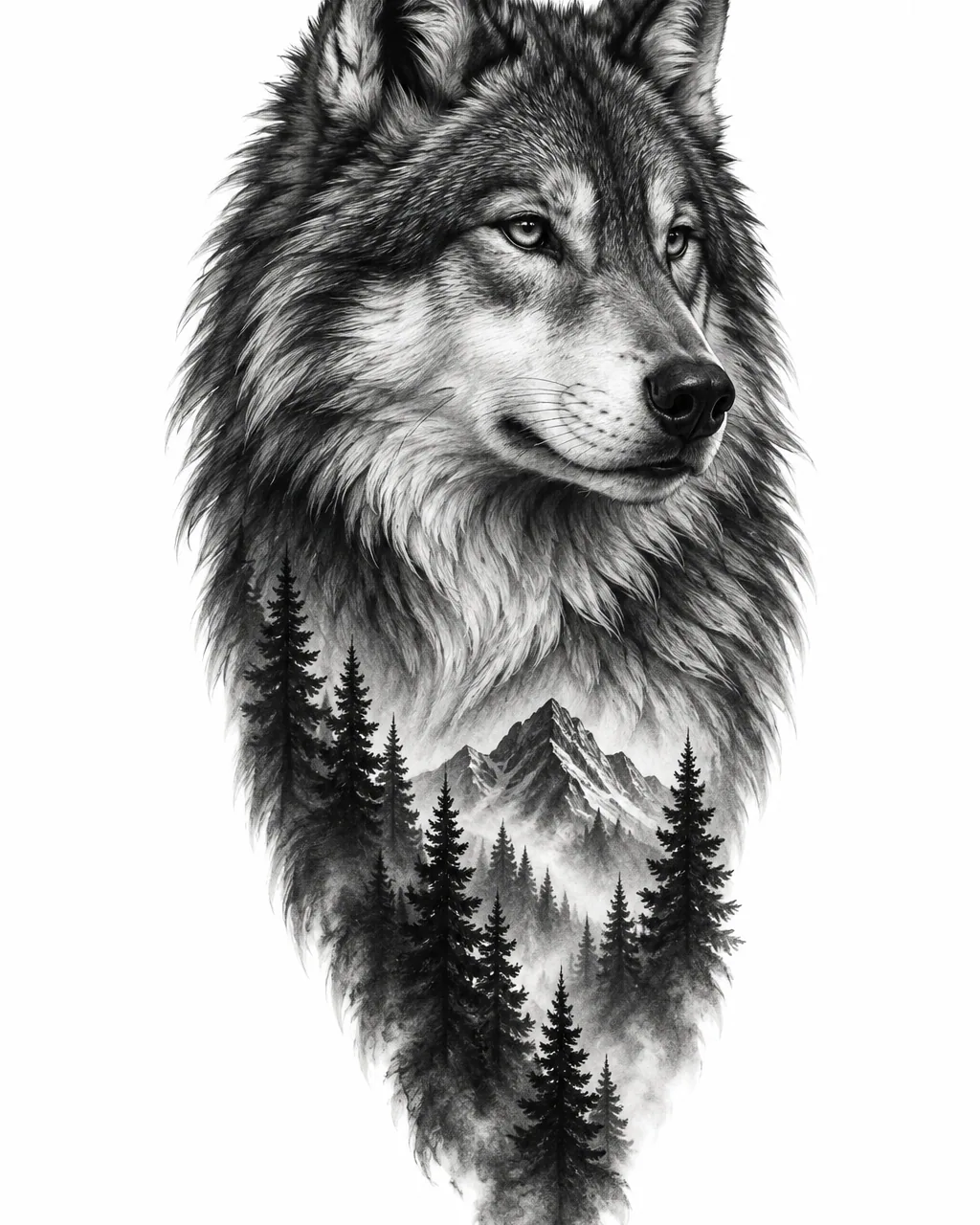
a misty pine forest rising toward a full moon with a wolf standing at the bottomRealism · sleeve 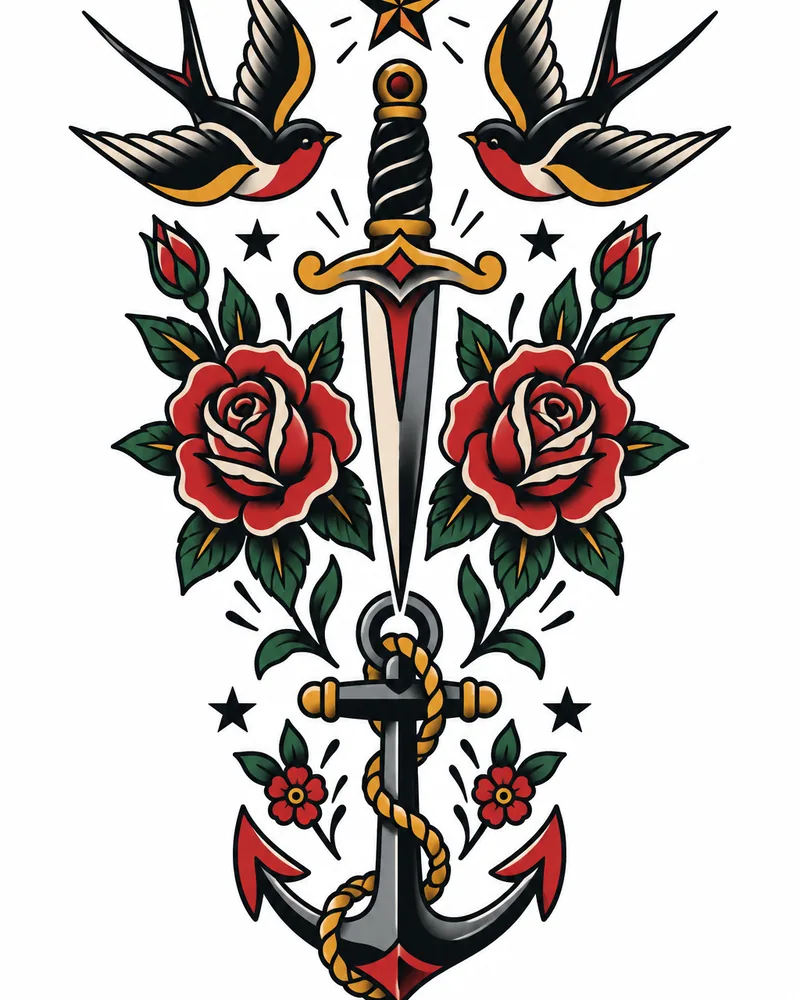
a patchwork of classic swallows, roses, a dagger pointing down and an anchor with small filler stars between themTraditional · sleeve 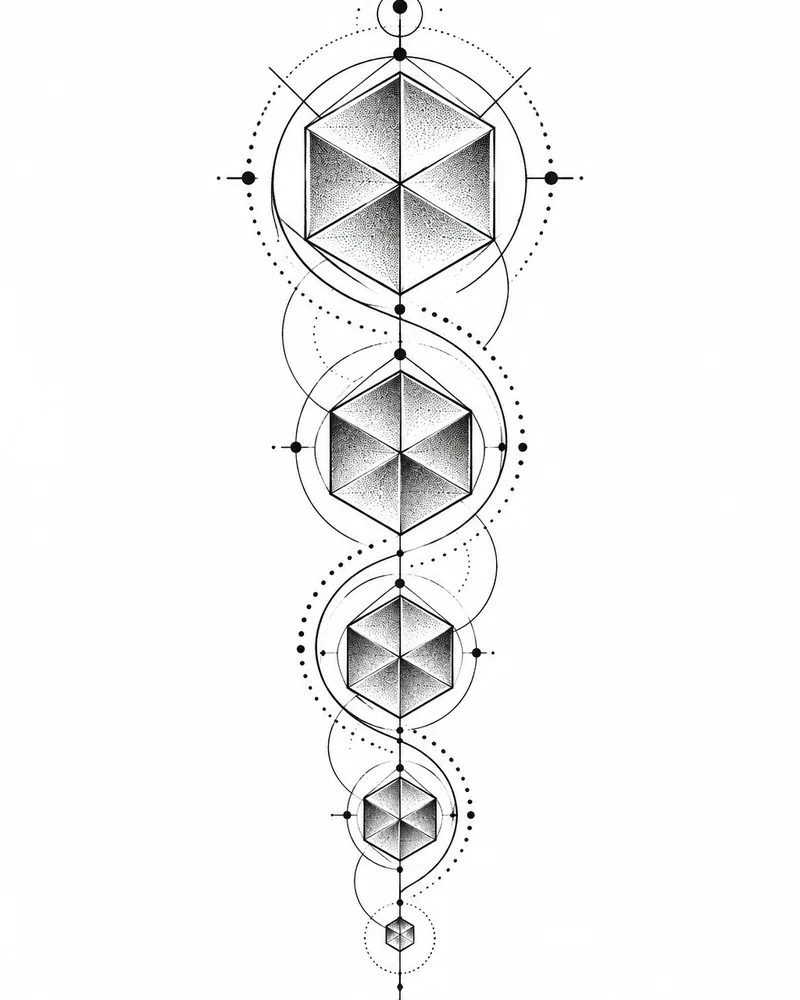
interlocking hexagons spiraling down with dot shadingGeometric · sleeve 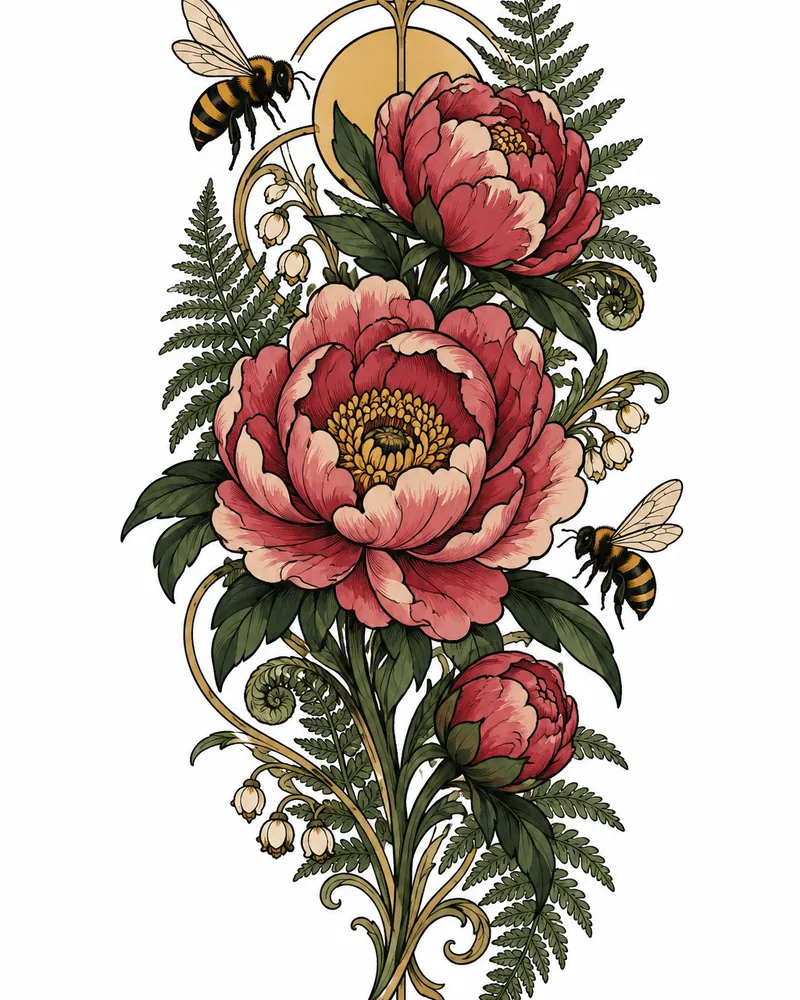
a botanical garden of peonies, ferns and beesNeo-trad · sleeve 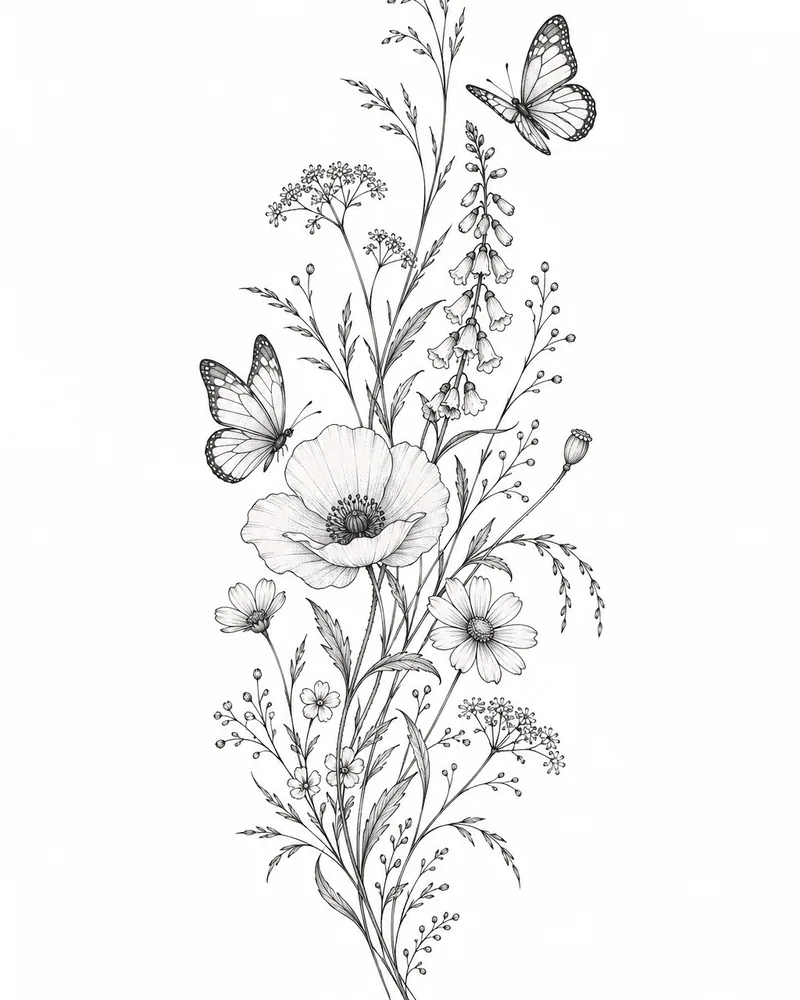
a wildflower meadow climbing upward with two butterfliesFine line · sleeve 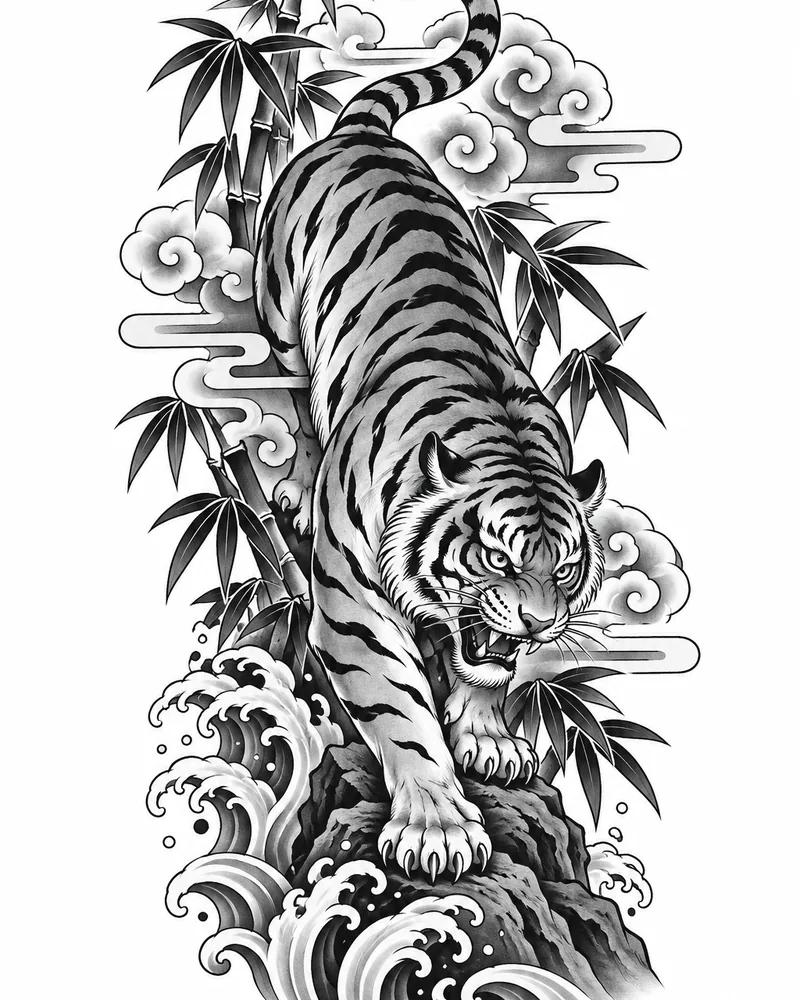
a tiger descending among bamboo and wind barsJapanese · sleeve 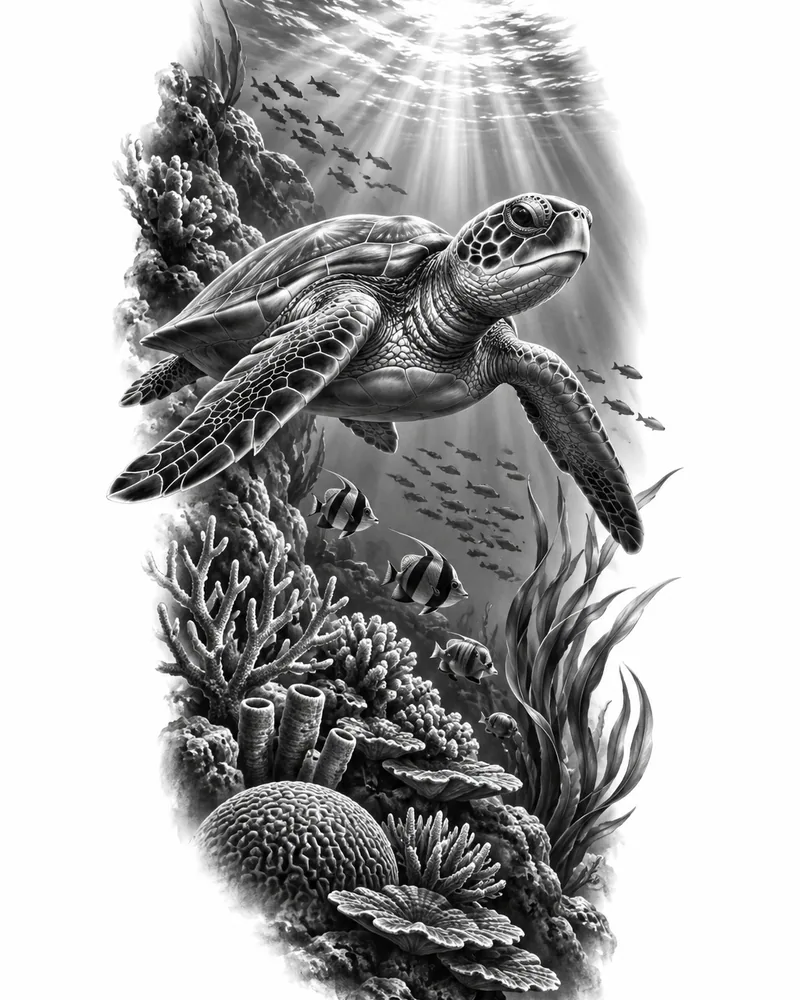
an underwater scene with a sea turtle gliding over coral and small fishRealism · sleeve Not quite it?
Describe your own sleeve tattoo
No. 01
Sleeve themes that flow
A sleeve works best when one idea ties the whole arm together. Pick a theme with a natural background element – water, clouds, foliage, smoke or space – that can fill the gaps between the main subjects and carry the eye around the arm.
- Koi and waves
- The classic Japanese sleeve; koi swimming upstream stand for perseverance.
- Botanical garden
- Mixed florals and leaves that wrap the arm and extend easily.
- Space and planets
- Planets, moons and stars on a deep blackwork or dotwork sky.
- Geometric mandala
- Patterns radiating from the elbow, linked by bands.
- Ocean and lighthouse
- Storm waves and a guiding light, with clouds as filler.
- Forest and wolf
- Pines, mountains and a wolf, often in black and gray realism.
- Traditional patchwork
- Separate flash pieces tied together with small stars and dots.
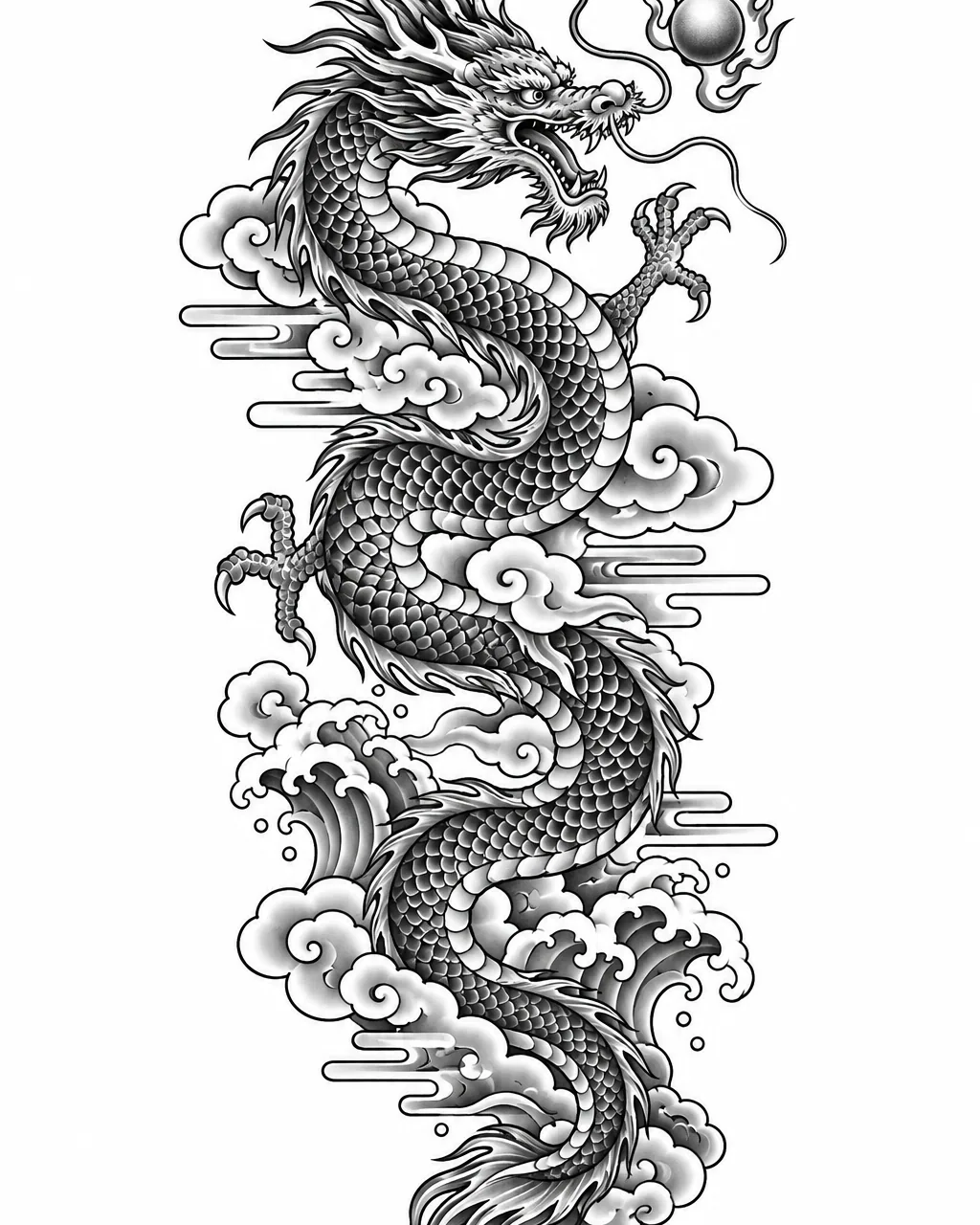
- Dragon and clouds
- A dragon winding from wrist to shoulder, clouds giving it room to move.
No. 02
Half sleeve tattoo or full sleeve?
A half sleeve covers either the upper arm, from shoulder to elbow, or the forearm, from elbow to wrist. An upper half sleeve hides under a T-shirt, while a lower one is on show whenever your sleeves are rolled up. A quarter sleeve stops partway down the upper arm, and a full sleeve runs from shoulder to wrist.
Starting with a half sleeve is a smart way to commit in stages. Just plan as if you’ll go full: keep the style, line weight and background consistent so the two halves can join seamlessly at the elbow later, without an awkward seam.
No. 03
Composition: making the arm read as one piece
Arms are roughly cylindrical, so think in 360 degrees. Big subjects usually sit on the outer arm and shoulder, where they’re seen most, while the inner arm and the elbow ditch carry background. Designs should run with the length of the arm rather than across it, and the elbow is best covered with something that tolerates movement, like a web, a flower, a mandala or a wave pattern.
Background is what turns separate images into a sleeve. Wind bars and water in Japanese work, shading or negative space in blackwork, and small fillers in traditional patchwork all do the same job: they connect the main pieces so the arm reads as one composition.
No. 04
Plan the layout with a sleeve tattoo generator
Before you book a consultation, it helps to see a few directions side by side. Describe your theme in the TattooMaker generator, choose the sleeve placement, and compare how different styles handle the same subjects. Bring your favorites to your artist as references; they’ll redraw everything to fit your arm, but you’ll save time agreeing on the mood.
No. 05
Pain, sessions and healing
The outer forearm and outer upper arm are among the easier spots, around 3–5 out of 10. The inner bicep and inner forearm sit higher, and the elbow, the elbow ditch and the edge of the armpit can reach 7–9. Sleeves are tattooed over many sessions, usually three to six hours each, with two to four weeks of healing in between.
A half sleeve commonly takes somewhere around 10–20 hours of tattooing, and a full sleeve 20–40 hours or more, depending on detail. Keep the arm moisturized and out of the sun between sessions, wear loose sleeves, and don’t rush the next appointment before the last area has healed.
No. 06
Visibility, aging and budget
A full sleeve shows any time you wear short sleeves, while an upper half sleeve stays covered by most T-shirts. Arms age well overall, but the outer forearm catches the most sun, so sunscreen on healed work keeps blacks deep and details crisp for decades.
Most artists price sleeves by the hour or by the session, commonly $100–$250 an hour in the US. That puts many half sleeves around $1,000–$3,000 and full sleeves at $2,000–$6,000 or more. Paying per session spreads the cost over months.
FAQ
Sleeve tattoo ideas FAQ
How long does a sleeve tattoo take?
It depends on size, style and detail. A half sleeve often takes around 10–20 hours of tattooing, and a full sleeve 20–40 hours or more. Spread over sessions of three to six hours with healing time in between, most sleeves take several months to finish, and large custom projects can stretch past a year.
How much does a full sleeve tattoo cost?
In the US, expect roughly $2,000–$6,000 or more for a full sleeve, usually priced by the hour or session. Rates commonly sit between $100 and $250 an hour, higher for well-known artists and in big cities. Realism and detailed color work take longer than bold traditional or blackwork, so they cost more.
Can I turn separate tattoos into a sleeve?
Yes. Many sleeves start as a few unrelated pieces and get tied together with background later – a traditional patchwork sleeve is designed exactly that way. It’s easier when the existing tattoos share a style and line weight. An artist can unify them with shading, wind bars, foliage or a common color palette.
Should my first tattoo be a half sleeve?
It can be, if you’ve lived with the idea for a while and found an artist whose style you trust. Plenty of people start with one forearm or upper arm piece and expand from there. Either way, plan the full composition early, so the first session lays groundwork instead of blocking future ideas.
Which arm should I get a sleeve on?
There’s no wrong answer. Some people choose the arm that others see most, or the one they’re happy to show at work. Others pick their non-dominant arm so daily life is easier during healing. Consider how any existing tattoos might connect, and which side you’d like to keep open for future pieces.
Turn these sleeve tattoo ideas into your own design
Describe it in a sentence. Four original sketches in seconds — then turn the one you love into a stencil.