7-Day Pass · AI image edit
Cover Up Tattoo Ideas & Generator
Upload the tattoo you want gone and get darker, bolder cover-up concepts designed around it — ready to discuss with your artist.
Preview stays on your device until you start a run · photos are deleted after 24 hours
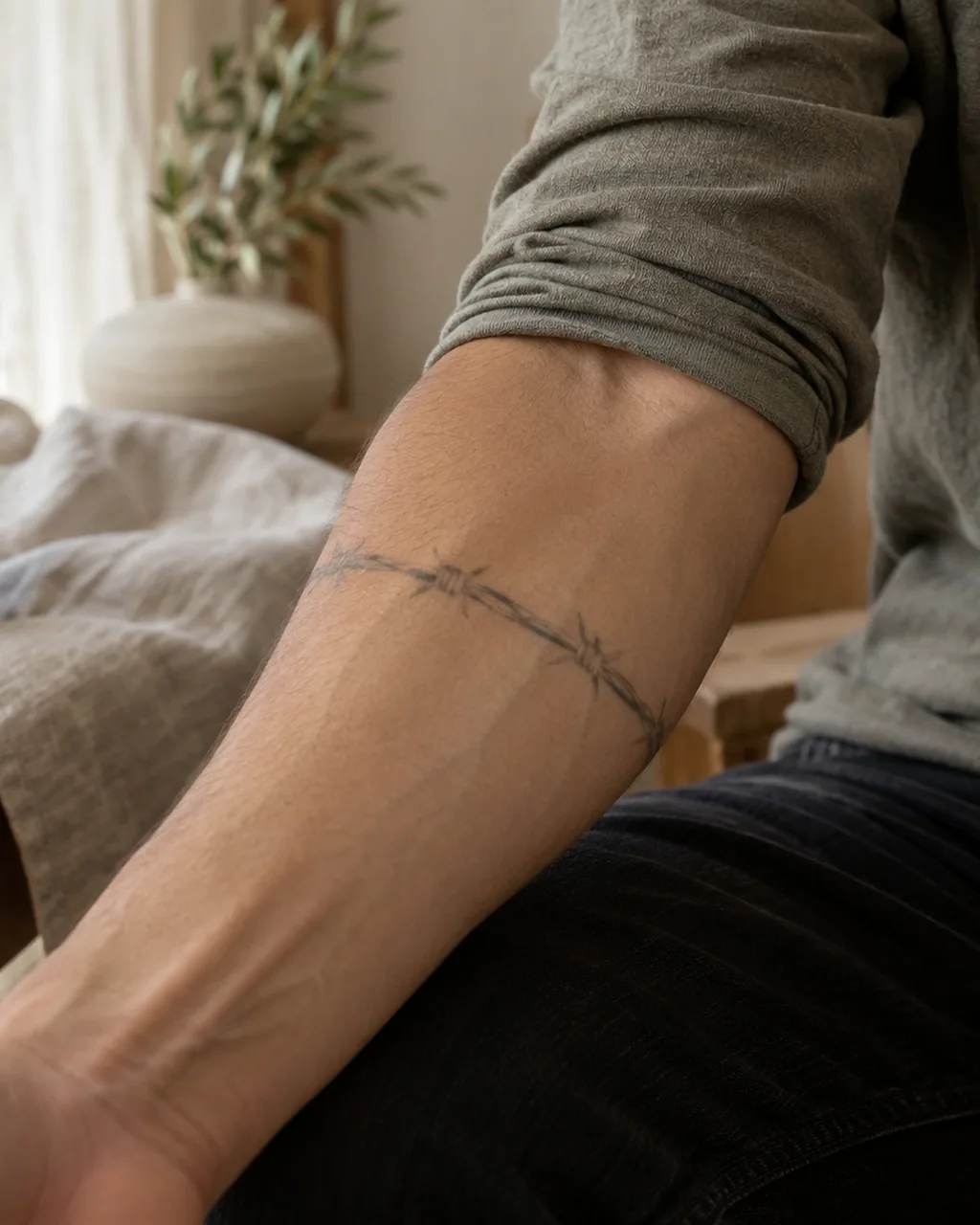
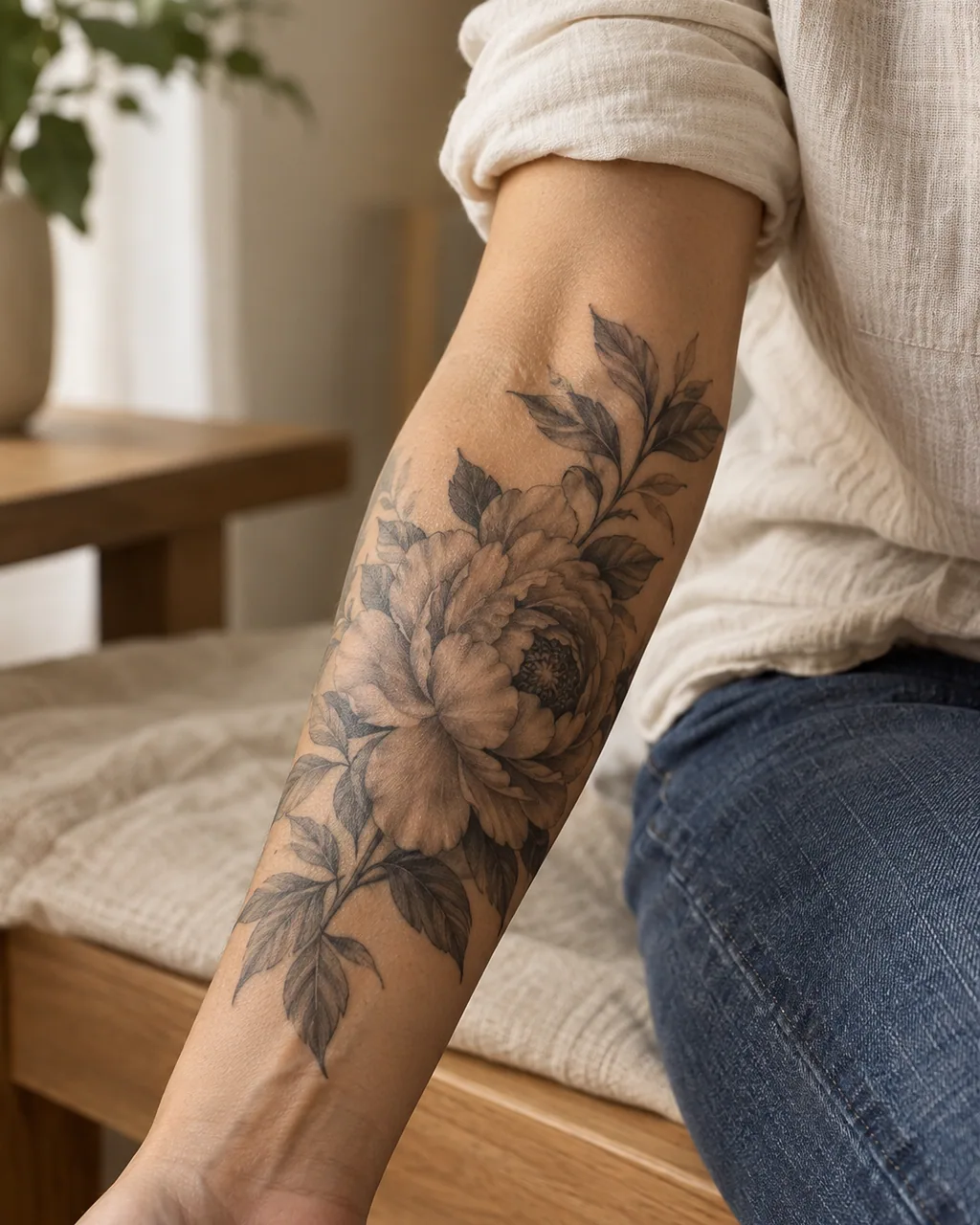
Example run. AI designs are creative references — your artist adapts them to your skin.
- Price
- Paid AI feature
- Input
- A clear photo of the old tattoo
- Output
- Cover-up concepts for your artist
- Privacy
- Stored privately, deleted automatically
Get cover up tattoo ideas designed around the tattoo you already have. Upload a photo of the old piece, choose a style and the AI suggests darker, bolder concepts your artist can build on – a strong starting point for your consultation.
No. 01
How the cover up tattoo generator works
A generic design rarely hides anything. Because the AI sees your old tattoo – its shape, size and how dark it is – it aims to put dense, dark areas where the old ink sits and keep lighter detail over bare skin. When you compare concepts, favor the ones where the darkest parts of the new design land on the old lines.
- 1. Photograph the old tattoo
- Straight on, in daylight, with the whole tattoo and some skin around it in the frame.
- 2. Choose a style
- Pick the direction for the new design. Bold styles with solid blacks and rich color give the most coverage.
- 3. Review the concepts
- Compare the cover-up ideas, download the ones you like and take them to your artist with the original photo.
No. 02
Cover up tattoo ideas that tend to work
Good cover-ups share a few traits: dark values, lots of texture and shapes that break up the old outline. Pick a subject you’d want even without the old tattoo – a cover-up is still a tattoo you’ll wear for years. These subjects have the right traits built in:
- Dark florals
- Peonies, roses and chrysanthemums with deep shading and dark leaves. Petals and foliage can absorb almost any old shape.
- Feathers and fur
- A raven, an owl or a big cat. Dense texture hides lines and gives the eye plenty to follow.
- Japanese backgrounds
- Waves, clouds and wind bars in bold black. A koi or dragon set against a dark background covers a lot of ground.
- Ornamental blackwork
- Mandalas, filigree and solid patterns. Heavy black covers well and stays crisp for years.
- Nature scenes
- Forests, mountains and night skies, where dark trees or a deep sky sit over the old ink.
- Bold color
- Neo-traditional subjects in deep reds, purples and greens with thick outlines.
- Blackout bands
- For a small old name or symbol, a solid black band or shape is sometimes the simplest answer.
No. 03
How to plan a cover-up
Cover-ups follow a few physical rules. Tattoo ink is translucent, so new ink doesn’t paint over old ink – it layers on top of it. Only darker colors hide darker lines, which is why black, deep blue, purple, dark green and deep red do the heavy lifting, while yellow, white and pastels can’t hide a dark outline.
Expect the new design to be larger than the old one; how much larger depends on how dark and dense the original is. A small, faded piece may need only a little extra room, while a solid black band limits you to heavy designs. Placement can help: extending the new design beyond the old one – onto the shoulder or down the forearm – gives the artist more room to put dark areas exactly where they’re needed.
If the old tattoo is very dark, or you want a lighter design than a direct cover-up allows, a few sessions of laser lightening – not full removal – can widen your options. It’s worth discussing with a qualified laser provider and your artist. Either way, look for an artist with cover-up work in their portfolio: it’s a specialist skill.
No. 04
Coverup tattoo generator vs starting from scratch
Picking a design you like and hoping it hides the old one often ends in disappointment. A coverup tattoo generator starts from the problem instead: the old tattoo is part of the input, so the concepts are built around where the dark areas need to go.
Not every old tattoo needs hiding, either. A rework refreshes and improves the original design with new lines and shading. A blast-over tattoos a bold new piece over the old one without trying to hide it completely, which can look deliberate and striking. Ask your artist which approach suits your tattoo.
No. 05
Getting a useful photo of the old tattoo
The concepts can only be as accurate as the photo. Shoot in daylight without flash, hold the camera parallel to the skin and include a little skin around the tattoo so the scale is clear. If it wraps around a limb, take a second photo from the side. Use the original image, not a filtered or edited one, so the darkness of the old ink is true to life. A second shot with a ruler beside the tattoo helps your artist judge its size before they see it in person.
No. 06
What a cover-up can and can’t do
A skilled cover-up can make an old tattoo disappear to anyone who doesn’t know it’s there. It can’t make a dark design light, shrink something large into something small or erase scarring from heavy-handed work. In some lighting, a hint of the old tattoo may still show through.
AI concepts are a brief, not a guarantee. Your artist will judge your skin, the old ink and what’s realistic, and may change the size, placement or style to get a cover-up that works.
Healing deserves attention as well. A cover-up is often packed more densely than a new tattoo on bare skin, so follow your artist’s aftercare closely, and don’t be surprised if a touch-up session is part of the plan.
FAQ
Cover Up Tattoo Ideas & Generator FAQ
Is the cover up tattoo generator free?
It’s a paid AI feature, because each concept is generated from your photo with an image model. The cover-up ideas and planning advice on this page are free to read, and the pricing page shows exactly what each plan includes before you decide.
Can any tattoo be covered up?
Most tattoos can be covered in some way, but options shrink as the old ink gets darker, bigger and denser. Faded, small tattoos are the easiest. Very dark pieces may only be coverable with heavy black designs, unless you lighten them with a few laser sessions first. An experienced artist can tell you what’s realistic.
How much bigger does a cover-up need to be?
Usually bigger than the original, but there’s no fixed ratio. It depends on how dark and solid the old tattoo is and how the new design uses its dark areas. A light, faded piece may need little extra room; a bold black design often needs a much larger cover-up around it.
What colors cover old tattoos best?
Dark ones: black, deep blues, purples, dark greens and rich reds. Ink is translucent, so lighter colors such as yellow, pastels or white can’t hide darker lines underneath. A common approach is to mix solid black with darker colors and save lighter tones for areas over bare skin.
What happens to the photo I upload?
It’s stored privately, used to create your concepts and deleted automatically. Photos of your skin and the designs made from them are never published or shown in any public gallery. You can upload a close crop of the tattoo itself – no face or identifying details needed.
Should I get laser before a cover-up?
Not always. If the old tattoo is light or faded, many artists can cover it directly. If it’s very dark, or you want a lighter or smaller design than a direct cover-up allows, a few laser sessions to fade it can open up options. Discuss it with your artist and a qualified laser provider first.
Do cover-ups cost more than a new tattoo?
They often take longer, because the artist has to plan around the old ink and pack dark areas more densely – and time drives price. Use the cost calculator with detailed shading selected for a realistic range, and expect a firm quote only after the artist has seen the old tattoo.
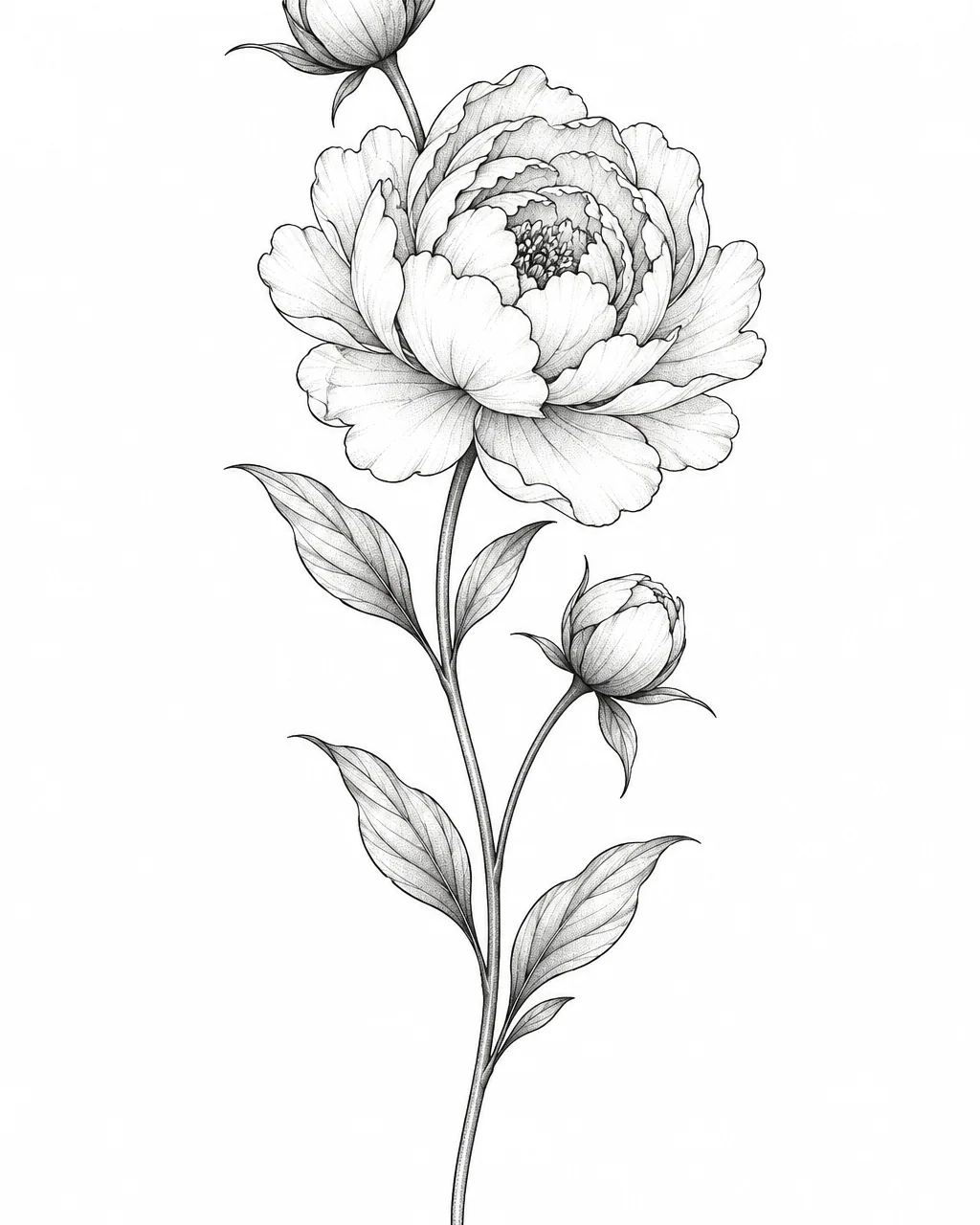
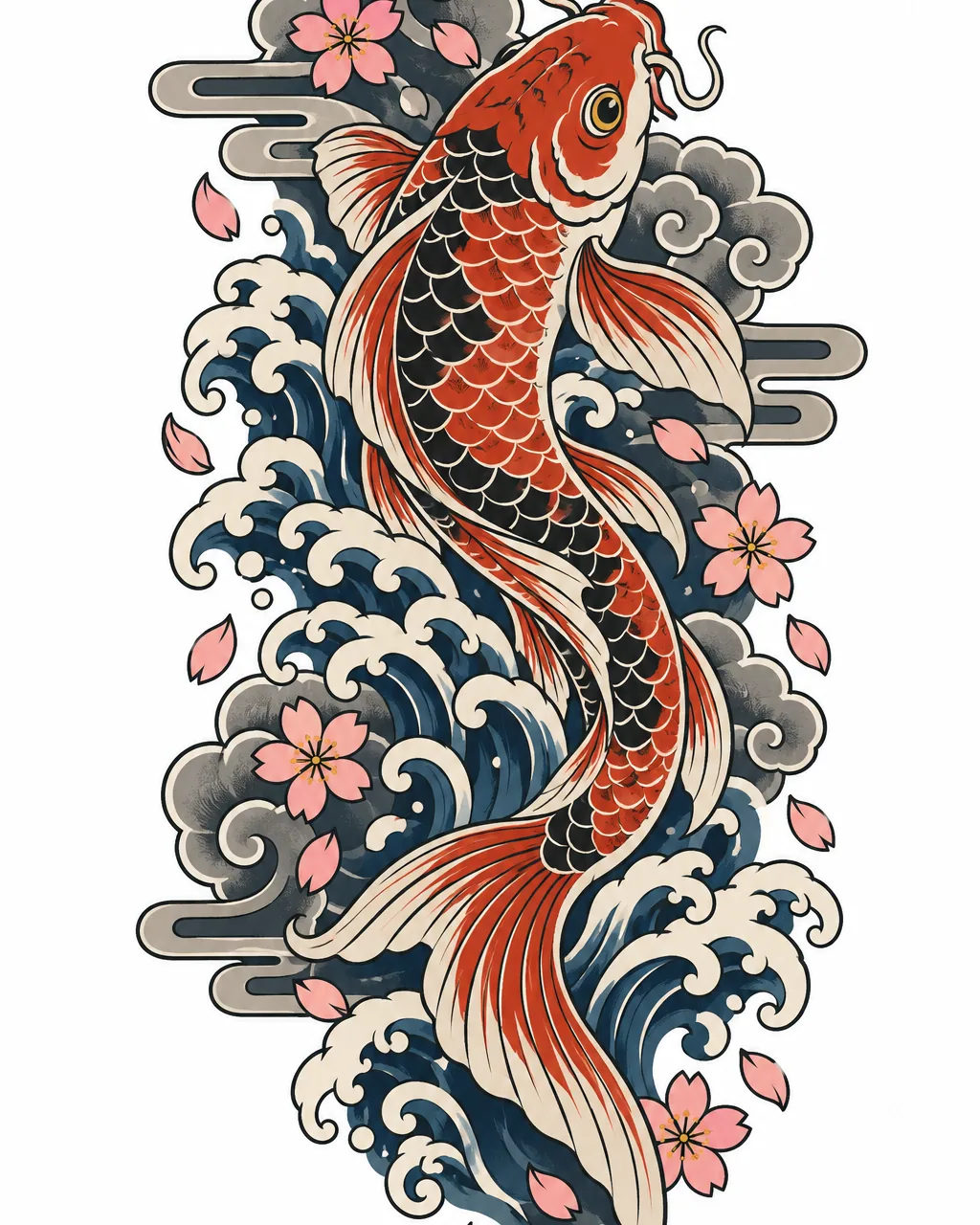
Need a design first?
Describe your idea and get four original tattoo sketches in seconds — then turn the one you love into a stencil.